THE ADVENTURE COLLECTIVE® · Independent discovery and booking for outdoor travel

Step off your ship and into a family kitchen where Sri Lanka’s staples — hoppers, pol sambol, fish ambul thiyal — are taught, tasted, and explained. This shore excursion pairs a short transfer from Colombo port with a hands-on lesson and a shared home-style meal.
Step off your ship and into a family kitchen where Sri Lanka’s staples — hoppers, pol sambol, fish ambul thiyal — are taught, tasted, and explained. This shore excursion pairs a short transfer from Colombo port with a hands-on lesson and a shared home-style meal.
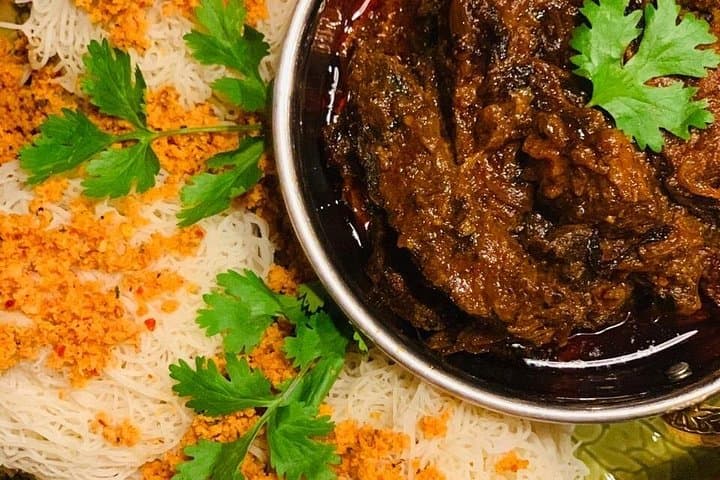
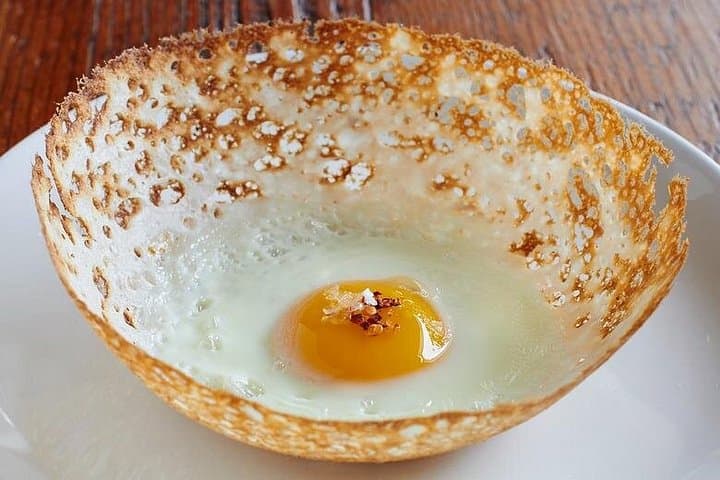
A warm morning light spreads across Colombo Harbour as the cruise terminal shrinks behind you and the road unfurls toward Athurugiriya. In a modest family kitchen, spices crackle in a pan and the air fills with roasted curry leaves, coconut, and tamarind — the island’s flavors making themselves known. The class moves at a deliberate, domestic pace: pounding sambol, shaping hoppers, and coaxing sour fish ambul thiyal into balance.
Verified experiences and guided adventures in the surrounding area.
Operated by Colombo City Boy · Athurugiriya, Western Province
A warm morning light spreads across Colombo Harbour as the cruise terminal shrinks behind you and the road unfurls toward Athurugiriya. In a modest family kitchen, spices crackle in a pan and the air fills with roasted curry leaves, coconut, and tamarind — the island’s flavors making themselves known. The class moves at a deliberate, domestic pace: pounding sambol, shaping hoppers, and coaxing sour fish ambul thiyal into balance.
Sri Lankan food is a living map of the island’s history — South Indian roots, Portuguese and Dutch trade influences, and the colonial spice routes that made cinnamon and cardamom household names. Geographically the island’s flat western plains roll toward the central highlands, where tea and spices were historically grown, and those ingredients arrive here as daily staples. Cultural notes surface between steps: kiribath at celebrations, string hoppers for breakfast, and family-style rice-and-curry as the default comfort.
Practical guidance is straightforward. Expect a 40-minute transfer from Colombo port; the hands-on portion runs about three hours within a 4–5 hour total window. Menus commonly include rice and curry, hoppers, pol sambol, parippu, and a seafood curry; vegetarian alternatives are usually available with advance notice. Dress smart casual and be ready to stand and stir; bring a camera, sensible footwear for the short walk to the home kitchen, and written notes for recipes. If you’re on a cruise schedule, confirm pickup and return times — the host times the session so you’re back at the terminal without rush. This is less a culinary show and more a family kitchen: expect stories as much as techniques, and leave with recipes, new skills, and a generous lunch.
Yes — pickup from Colombo passenger terminal is included; confirm your ship’s arrival and departure times when booking.
Yes — hosts generally accommodate dietary needs if informed in advance via the booking questions.
Families are welcome; children who can follow basic kitchen safety and stand for the duration will enjoy the hands-on parts.
Hosts typically share recipe guidance and steps verbally or in notes; bring a notebook or take photos to ensure you capture details.
Colombo City Boy operates guided outdoor trips and adventures with an emphasis on safety, stewardship, and memorable experiences.
A warm morning light spreads across Colombo Harbour as the cruise terminal shrinks behind you and the road unfurls toward Athurugiriya. In a modest family kitchen, spices crackle in a pan and the air fills with roasted curry leaves, coconut, and tamarind — the island’s flavors making themselves known. The class moves at a deliberate, domestic pace: pounding sambol, shaping hoppers, and coaxing sour fish ambul thiyal into balance.
A warm morning light spreads across Colombo Harbour as the cruise terminal shrinks behind you and the road unfurls toward Athurugiriya. In a modest family kitchen, spices crackle in a pan and the air fills with roasted curry leaves, coconut, and tamarind — the island’s flavors making themselves known. The class moves at a deliberate, domestic pace: pounding sambol, shaping hoppers, and coaxing sour fish ambul thiyal into balance.
Sri Lankan food is a living map of the island’s history — South Indian roots, Portuguese and Dutch trade influences, and the colonial spice routes that made cinnamon and cardamom household names. Geographically the island’s flat western plains roll toward the central highlands, where tea and spices were historically grown, and those ingredients arrive here as daily staples. Cultural notes surface between steps: kiribath at celebrations, string hoppers for breakfast, and family-style rice-and-curry as the default comfort.
Practical guidance is straightforward. Expect a 40-minute transfer from Colombo port; the hands-on portion runs about three hours within a 4–5 hour total window. Menus commonly include rice and curry, hoppers, pol sambol, parippu, and a seafood curry; vegetarian alternatives are usually available with advance notice. Dress smart casual and be ready to stand and stir; bring a camera, sensible footwear for the short walk to the home kitchen, and written notes for recipes. If you’re on a cruise schedule, confirm pickup and return times — the host times the session so you’re back at the terminal without rush. This is less a culinary show and more a family kitchen: expect stories as much as techniques, and leave with recipes, new skills, and a generous lunch.