THE ADVENTURE COLLECTIVE® · Independent discovery and booking for outdoor travel

A compact shore excursion from Colombo Port that pairs Kelaniya Temple’s ancient Buddhist heritage with the city’s colonial architecture, bustling bazaars and lakeside temples. Ideal for cruise passengers wanting a focused introduction to Colombo in about three hours.
A compact shore excursion from Colombo Port that pairs Kelaniya Temple’s ancient Buddhist heritage with the city’s colonial architecture, bustling bazaars and lakeside temples. Ideal for cruise passengers wanting a focused introduction to Colombo in about three hours.
You step off the ship into Colombo’s humid air and onto streets where colonial facades meet busy bazaars. The drive northeast to Kelaniya unfolds past Beira Lake and rows of British-era buildings; tuk-tuks thread through the edges of the road and the city’s pulse hums beneath temple bells.
Verified experiences and guided adventures in the surrounding area.
Operated by Colombo City Boy · Colombo, Western Province
You step off the ship into Colombo’s humid air and onto streets where colonial facades meet busy bazaars. The drive northeast to Kelaniya unfolds past Beira Lake and rows of British-era buildings; tuk-tuks thread through the edges of the road and the city’s pulse hums beneath temple bells.
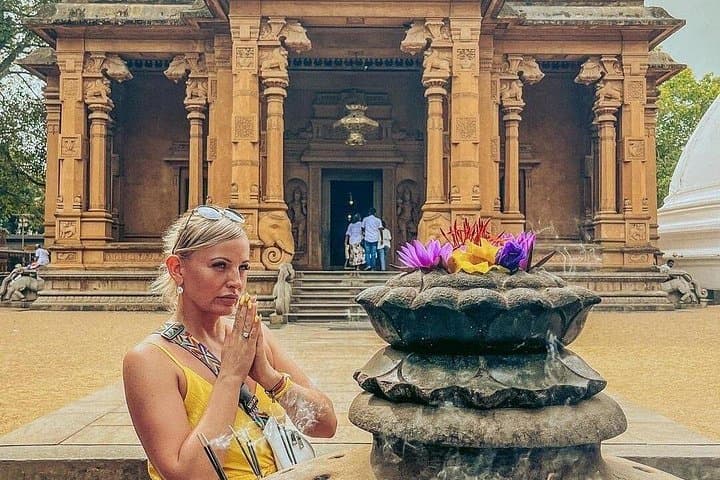
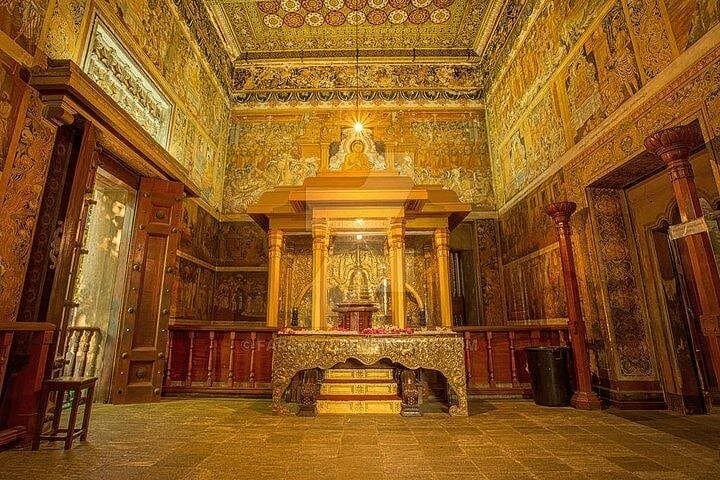
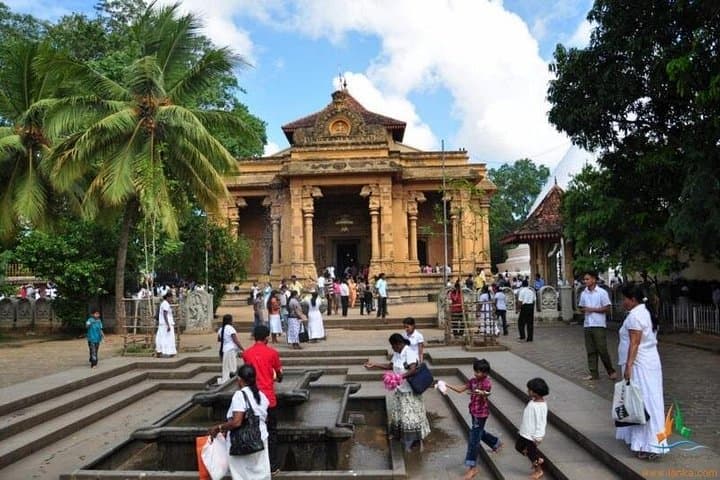
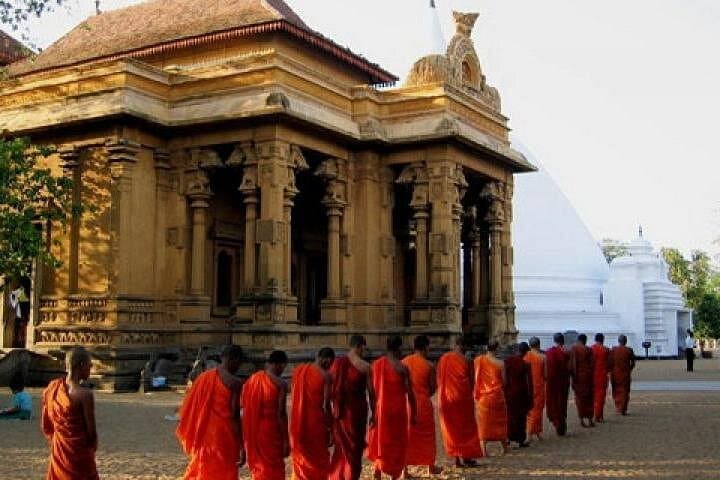
Kelaniya Raja Maha Vihara sits a short ride from the port—a Buddhist site with roots in early Sri Lankan history and ties to Arahat Mahinda’s mission in the 3rd century BCE. The temple complex has been rebuilt through invasions and colonial eras, its murals and gilded statues reflecting a layered cultural history. Back in the city, Gangaramaya’s mix of shrine, museum, and Seema Malaka on Beira Lake shows Colombo’s hybrid of religious devotion and urban life; nearby Pettah Bazaar offers an energetic market scene framed by colonial clock towers and ornate mosques.
Expect short walks, photo stops and chauffeur-driven transfers in an air-conditioned vehicle. The route highlights architecture—Independence Square, Viharamahadevi Park, the Dutch Hospital precinct—and introduces local crafts at Green Path and gem shops for those curious about Sri Lanka’s trade traditions.
Practical guidance: wear smart-casual clothing that respects religious sites (shoulders and knees covered), carry a water bottle and sun protection, and budget time for traffic when returning to the port. The excursion is low-impact physically but rich in sensory detail—street smells, market calls, temple rituals—offering a compact introduction to Colombo’s history and living culture.
The tour is approximately 3 hours; operators plan return to the port but allow extra buffer for traffic—confirm pickup and port reboarding times with your booking.
Most temple visits do not require paid admission, but donations are customary; Gangaramaya has optional museum exhibits that may charge a fee.
Yes—this is low-physical-intensity with short walks and vehicle transport, but steps and shoe removal at temples may require assistance for some guests.
The private-vehicle format typically allows requests for accessible transport or specific pickup times—note requirements in booking questions so the operator can arrange accordingly.
Colombo City Boy operates guided outdoor trips and adventures with an emphasis on safety, stewardship, and memorable experiences.
You step off the ship into Colombo’s humid air and onto streets where colonial facades meet busy bazaars. The drive northeast to Kelaniya unfolds past Beira Lake and rows of British-era buildings; tuk-tuks thread through the edges of the road and the city’s pulse hums beneath temple bells.
You step off the ship into Colombo’s humid air and onto streets where colonial facades meet busy bazaars. The drive northeast to Kelaniya unfolds past Beira Lake and rows of British-era buildings; tuk-tuks thread through the edges of the road and the city’s pulse hums beneath temple bells.
Kelaniya Raja Maha Vihara sits a short ride from the port—a Buddhist site with roots in early Sri Lankan history and ties to Arahat Mahinda’s mission in the 3rd century BCE. The temple complex has been rebuilt through invasions and colonial eras, its murals and gilded statues reflecting a layered cultural history. Back in the city, Gangaramaya’s mix of shrine, museum, and Seema Malaka on Beira Lake shows Colombo’s hybrid of religious devotion and urban life; nearby Pettah Bazaar offers an energetic market scene framed by colonial clock towers and ornate mosques.
Expect short walks, photo stops and chauffeur-driven transfers in an air-conditioned vehicle. The route highlights architecture—Independence Square, Viharamahadevi Park, the Dutch Hospital precinct—and introduces local crafts at Green Path and gem shops for those curious about Sri Lanka’s trade traditions.
Practical guidance: wear smart-casual clothing that respects religious sites (shoulders and knees covered), carry a water bottle and sun protection, and budget time for traffic when returning to the port. The excursion is low-impact physically but rich in sensory detail—street smells, market calls, temple rituals—offering a compact introduction to Colombo’s history and living culture.