THE ADVENTURE COLLECTIVE® · Independent discovery and booking for outdoor travel

A private, full-day shore excursion that links Meetiyagoda’s blue moonstone pits, the offshore Seenigama temple, Hikkaduwa’s marine sanctuary and the colonial streets of Galle Fort. Expect short walks, coastal views, and local cultural stops over 7–8 hours.
A private, full-day shore excursion that links Meetiyagoda’s blue moonstone pits, the offshore Seenigama temple, Hikkaduwa’s marine sanctuary and the colonial streets of Galle Fort. Expect short walks, coastal views, and local cultural stops over 7–8 hours.
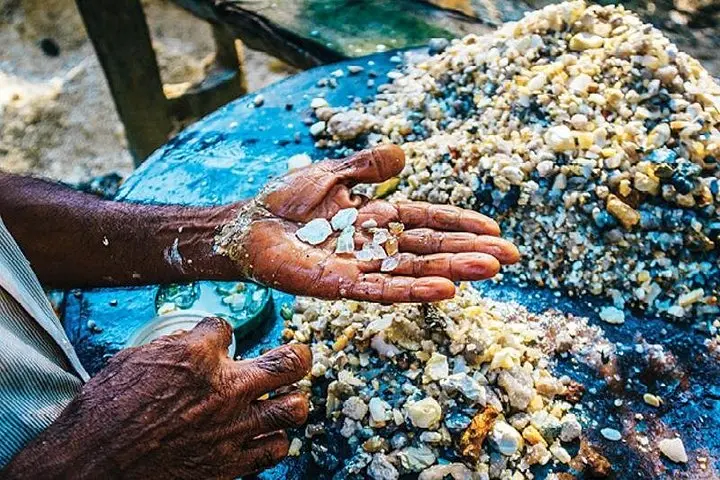
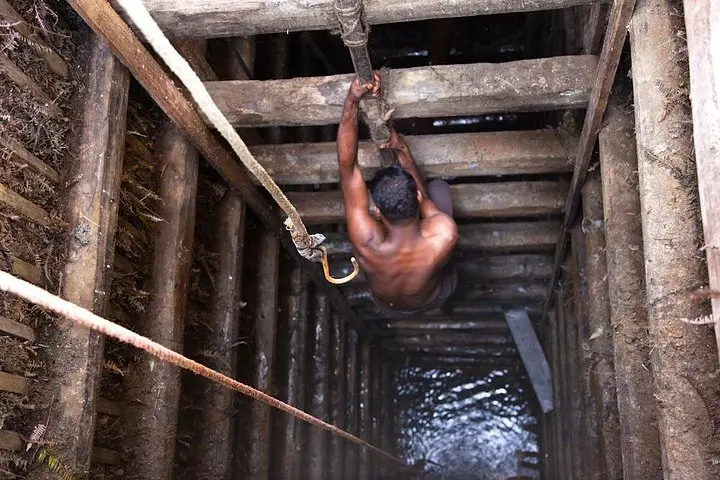
You emerge from the shadow of the Colombo passenger dock and slide south along the expressway—palm-fringed coasts and roadside mosaics of village life rushing past the windows. The day is paced by short walks and quick discoveries: hand-dug moonstone shafts at Meetiyagoda, a temple that rises from a rocky islet at Seenigama, and the low stone walls and colonial lanes of Galle Fort.
Verified experiences and guided adventures in the surrounding area.
Operated by Colombo City Boy · Galle, Southern Province
You emerge from the shadow of the Colombo passenger dock and slide south along the expressway—palm-fringed coasts and roadside mosaics of village life rushing past the windows. The day is paced by short walks and quick discoveries: hand-dug moonstone shafts at Meetiyagoda, a temple that rises from a rocky islet at Seenigama, and the low stone walls and colonial lanes of Galle Fort.
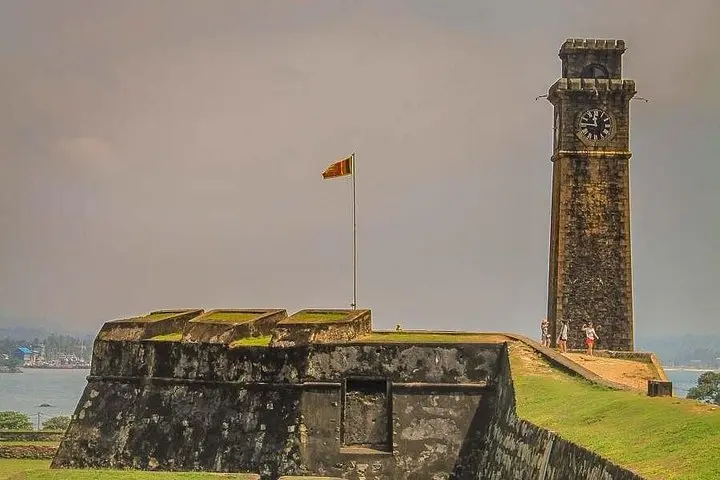
Geology and history are close companions here. The moonstone-bearing pegmatite around Meetiyagoda explains why gem-hunters have worked these pits by hand for centuries. Galle’s ramparts hold layers of Portuguese and Dutch architecture, while Hikkaduwa’s coral reef-front marine sanctuary speaks to the island’s living coastline and its reliance on the sea.
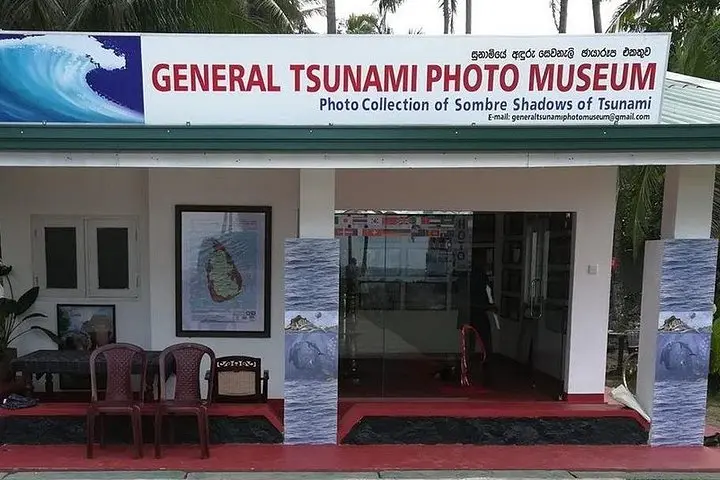
Culturally, you’ll meet a mix of Buddhist shrines, fishing communities, and tea-shop lunches; the 2004 tsunami is part of recent memory and visible in rebuilt shrines and memorials. Expect low-elevation walking—paved fort streets and sandy beach paths—with short stair sections and some uneven surfaces.
Practical guidance: this is a full-day, private car tour (about 7–8 hours). Carry sun protection, lightweight rain layers during the monsoon months, and comfortable shoes for cobbles and soft sand. Keep cash for small admissions and souvenirs; respect temple dress codes (shoulders and knees covered). Timing your visit between November and April reduces rain risk and improves visibility for reef snorkeling or a beach walk.
The route is easy to follow but rich in texture: bring water, curiosity, and a readiness to step from the comfort of a vehicle into hands-on local life and coastal nature.
The tour runs about 7–8 hours total with roughly 2–2.5 hours driving each way on the expressway including stops.
Lunch and driver/guide are included; some site admission fees may be extra depending on the itinerary.
Yes—temples require covered shoulders and knees; guides will advise and can provide sarongs if needed.
Short visits to the sanctuary are typical; full snorkeling sessions require additional time and separate arrangements.
Colombo City Boy operates guided outdoor trips and adventures with an emphasis on safety, stewardship, and memorable experiences.
You emerge from the shadow of the Colombo passenger dock and slide south along the expressway—palm-fringed coasts and roadside mosaics of village life rushing past the windows. The day is paced by short walks and quick discoveries: hand-dug moonstone shafts at Meetiyagoda, a temple that rises from a rocky islet at Seenigama, and the low stone walls and colonial lanes of Galle Fort.
You emerge from the shadow of the Colombo passenger dock and slide south along the expressway—palm-fringed coasts and roadside mosaics of village life rushing past the windows. The day is paced by short walks and quick discoveries: hand-dug moonstone shafts at Meetiyagoda, a temple that rises from a rocky islet at Seenigama, and the low stone walls and colonial lanes of Galle Fort.
Geology and history are close companions here. The moonstone-bearing pegmatite around Meetiyagoda explains why gem-hunters have worked these pits by hand for centuries. Galle’s ramparts hold layers of Portuguese and Dutch architecture, while Hikkaduwa’s coral reef-front marine sanctuary speaks to the island’s living coastline and its reliance on the sea.
Culturally, you’ll meet a mix of Buddhist shrines, fishing communities, and tea-shop lunches; the 2004 tsunami is part of recent memory and visible in rebuilt shrines and memorials. Expect low-elevation walking—paved fort streets and sandy beach paths—with short stair sections and some uneven surfaces.
Practical guidance: this is a full-day, private car tour (about 7–8 hours). Carry sun protection, lightweight rain layers during the monsoon months, and comfortable shoes for cobbles and soft sand. Keep cash for small admissions and souvenirs; respect temple dress codes (shoulders and knees covered). Timing your visit between November and April reduces rain risk and improves visibility for reef snorkeling or a beach walk.
The route is easy to follow but rich in texture: bring water, curiosity, and a readiness to step from the comfort of a vehicle into hands-on local life and coastal nature.