THE ADVENTURE COLLECTIVE® · Independent discovery and booking for outdoor travel

A full‑day private shore excursion from Colombo port that links the rare moonstone mines of Meetiyagoda, the island temple at Seenigama, Hikkaduwa’s marine sanctuary and the colonial streets of Galle Fort. Ideal for travelers who want cultural history, coastal scenery and light walking in one day.
A full‑day private shore excursion from Colombo port that links the rare moonstone mines of Meetiyagoda, the island temple at Seenigama, Hikkaduwa’s marine sanctuary and the colonial streets of Galle Fort. Ideal for travelers who want cultural history, coastal scenery and light walking in one day.
You step off the passenger jetty into humid Colombo air and are guided south along the coastal highway, the Indian Ocean to your right daring you to look. Over six to eight hours the landscape shifts: low mangrove flats give way to coconut palms and scrub, then the compact whitewashed ramparts of Galle rise from the coastline like a human-made cliff.
Verified experiences and guided adventures in the surrounding area.
Operated by Colombo City Boy · Galle, Southern Province
You step off the passenger jetty into humid Colombo air and are guided south along the coastal highway, the Indian Ocean to your right daring you to look. Over six to eight hours the landscape shifts: low mangrove flats give way to coconut palms and scrub, then the compact whitewashed ramparts of Galle rise from the coastline like a human-made cliff.
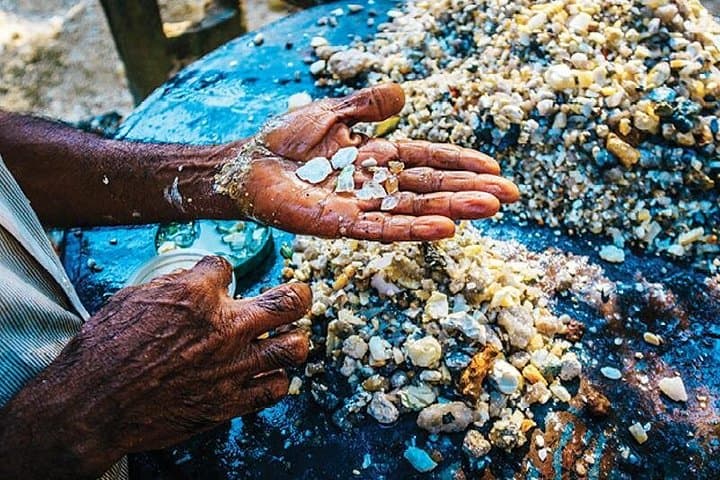
The route threads geological and cultural chapters. At Meetiyagoda you see pegmatite veins where blue moonstone is hauled up by hand—miners still use coconut beams and simple winches—and learn why Sri Lankan moonstone once carried the name “Ceylon opal.” Seenigama Muhudu Viharaya perches on a tiny offshore islet; fishermen have long invoked its tutelary deities for safe passage. Off Hikkaduwa, a protected marine sanctuary curbs damaging fishing practices and gives fragments of coral and reef fish a fighting chance against the pulse of tourism.
Galle Fort ends the loop: a compact colonial grid of Dutch-era ramparts, a lighthouse, and narrow streets where spice shops and cafes trade in centuries of maritime memory.
Practical guidance: expect 6–8 hours with multiple short walks and temple steps; wear sturdy walking shoes and a sun hat, bring cash for small entrances or donations, and pack a light rain jacket in the southwest monsoon season. Timing matters—early departures minimize traffic and maximize coastal light. Respect temple dress codes (shoulders and knees covered) and avoid touching coral at the sanctuary. With modest planning, this shore excursion delivers geology, culture, and coastal wildlife in a single, manageable day trip.
Port pickup and the driver/guide are included; some attraction entrances (like parts of Galle Fort or private exhibits) may be charged separately but the booking lists entrance tickets as included—confirm at booking.
Yes; the itinerary is designed as a shore excursion that returns to Colombo port within the allotted time, but provide exact ship timings at booking to ensure timely return.
Stops focus on the marine sanctuary and short beach visits—if swimming is possible it depends on timing and sea conditions; ask your guide about safe areas and tides.
Accessibility is limited: Galle Fort has cobbled streets and some ramps but many heritage buildings and the moonstone mine and islet temple require steps or uneven ground—check specifics when booking.
Colombo City Boy operates guided outdoor trips and adventures with an emphasis on safety, stewardship, and memorable experiences.



You step off the passenger jetty into humid Colombo air and are guided south along the coastal highway, the Indian Ocean to your right daring you to look. Over six to eight hours the landscape shifts: low mangrove flats give way to coconut palms and scrub, then the compact whitewashed ramparts of Galle rise from the coastline like a human-made cliff.
You step off the passenger jetty into humid Colombo air and are guided south along the coastal highway, the Indian Ocean to your right daring you to look. Over six to eight hours the landscape shifts: low mangrove flats give way to coconut palms and scrub, then the compact whitewashed ramparts of Galle rise from the coastline like a human-made cliff.
The route threads geological and cultural chapters. At Meetiyagoda you see pegmatite veins where blue moonstone is hauled up by hand—miners still use coconut beams and simple winches—and learn why Sri Lankan moonstone once carried the name “Ceylon opal.” Seenigama Muhudu Viharaya perches on a tiny offshore islet; fishermen have long invoked its tutelary deities for safe passage. Off Hikkaduwa, a protected marine sanctuary curbs damaging fishing practices and gives fragments of coral and reef fish a fighting chance against the pulse of tourism.
Galle Fort ends the loop: a compact colonial grid of Dutch-era ramparts, a lighthouse, and narrow streets where spice shops and cafes trade in centuries of maritime memory.
Practical guidance: expect 6–8 hours with multiple short walks and temple steps; wear sturdy walking shoes and a sun hat, bring cash for small entrances or donations, and pack a light rain jacket in the southwest monsoon season. Timing matters—early departures minimize traffic and maximize coastal light. Respect temple dress codes (shoulders and knees covered) and avoid touching coral at the sanctuary. With modest planning, this shore excursion delivers geology, culture, and coastal wildlife in a single, manageable day trip.