THE ADVENTURE COLLECTIVE® · Independent discovery and booking for outdoor travel

Explore Colombo’s Fort district with a local who unpacks 500 years of colonial history, bustling markets and tucked-away heritage sites. This relaxed 3–4 hour walking tour mixes storytelling with short tuk‑tuk rides and practical local insights.
Explore Colombo’s Fort district with a local who unpacks 500 years of colonial history, bustling markets and tucked-away heritage sites. This relaxed 3–4 hour walking tour mixes storytelling with short tuk‑tuk rides and practical local insights.
The tour begins where the harbor hum meets the city — a breeze off the Indian Ocean, tuk-tuks weaving between colonial facades and modern glass. Walk with a guide who has called Colombo home for decades and feel the pavement shift beneath stories of trade, conflict and daily life as you move through the Fort district and Pettah bazaar.
Verified experiences and guided adventures in the surrounding area.
Operated by Ceymondu Escapes · Colombo, Western Province
The tour begins where the harbor hum meets the city — a breeze off the Indian Ocean, tuk-tuks weaving between colonial facades and modern glass. Walk with a guide who has called Colombo home for decades and feel the pavement shift beneath stories of trade, conflict and daily life as you move through the Fort district and Pettah bazaar.
This compact district records five centuries of Sri Lankan history: Portuguese forts repurposed by the Dutch, grand British public buildings, and trading houses that linked Ceylon to global spice routes. The architecture reads like a ledger — Greco-Roman columns at the old municipal buildings, a Dutch hospital turned dining precinct, and narrow lanes opening into market squares where spices and textiles swirl with the calls of hawkers.
Expect sensory contrasts: salt air on Galle Face Green, the clang of rail at Fort Station, and the fragrant chaos of Pettah’s markets. Cultural notes punctuate the walk — Buddhist temples with eclectic ornamentation, colonial hotels that hosted imperial travelers, and family-run shops that have operated for generations. The guide intersperses narrative with short tuk‑tuk hops for authenticity and ease.
Practical guidance: wear breathable shoes, carry a refillable water bottle, and plan the walk for early morning or late afternoon to avoid peak heat and market crush. The route is mostly flat on paved streets but can be crowded; modest clothing is advised for temple visits. This is an accessible, enriching urban walk that pairs history, architecture and street-level Sri Lankan life in a single 3–4 hour outing.
The tour runs about 3–4 hours and involves continuous walking on mostly flat, paved streets with occasional short tuk‑tuk rides to save time and avoid longer stretches.
Yes, the itinerary visits Gangaramaya Temple and other sites; modest dress covering shoulders and knees is required and footwear must be removed at shrine entrances.
The pace is relaxed and suitable for children; however, crowded markets and some uneven sidewalks may be challenging for people with limited mobility—contact the operator for accommodations.
Carry some Sri Lankan rupees for small purchases and market vendors; major cards may work at larger shops but many stalls are cash-only.
Ceymondu Escapes operates guided outdoor trips and adventures with an emphasis on safety, stewardship, and memorable experiences.
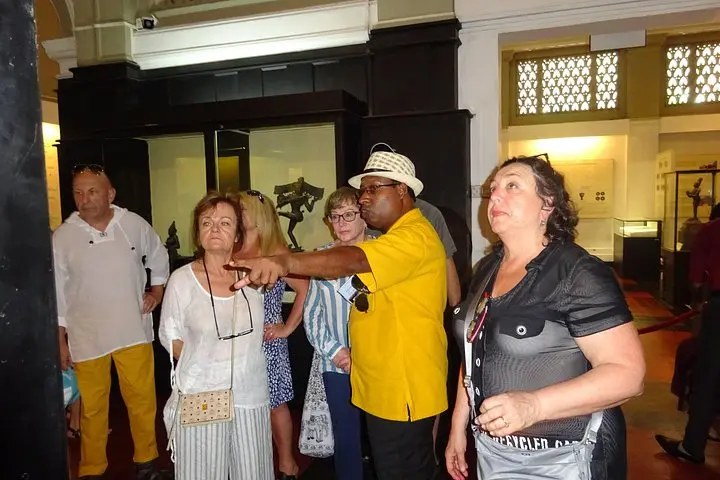
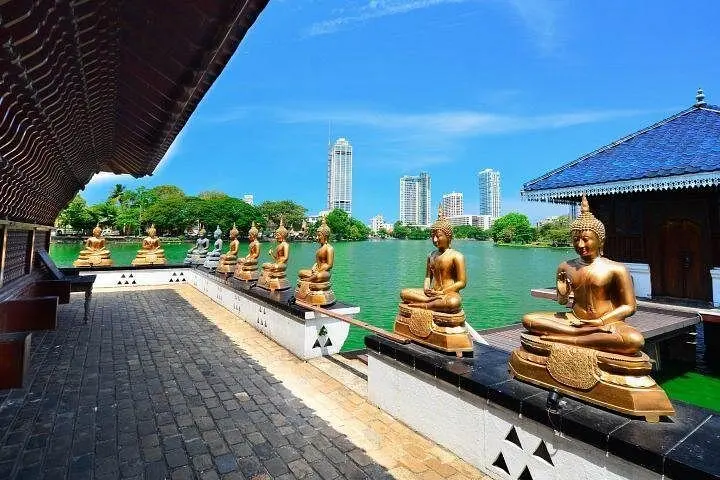
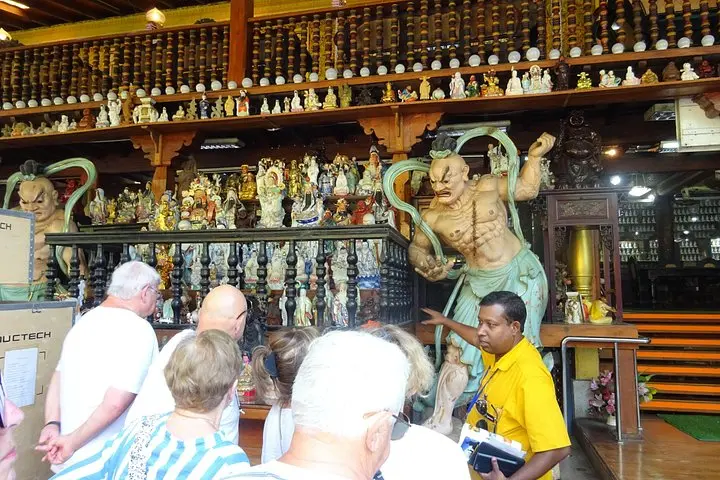
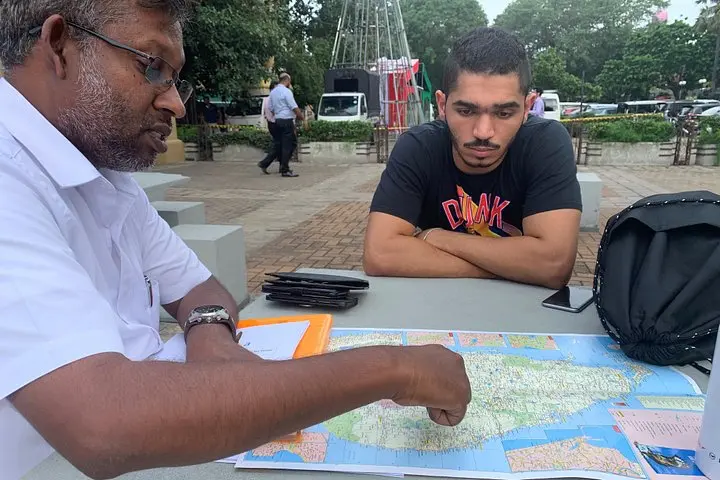
The tour begins where the harbor hum meets the city — a breeze off the Indian Ocean, tuk-tuks weaving between colonial facades and modern glass. Walk with a guide who has called Colombo home for decades and feel the pavement shift beneath stories of trade, conflict and daily life as you move through the Fort district and Pettah bazaar.
The tour begins where the harbor hum meets the city — a breeze off the Indian Ocean, tuk-tuks weaving between colonial facades and modern glass. Walk with a guide who has called Colombo home for decades and feel the pavement shift beneath stories of trade, conflict and daily life as you move through the Fort district and Pettah bazaar.
This compact district records five centuries of Sri Lankan history: Portuguese forts repurposed by the Dutch, grand British public buildings, and trading houses that linked Ceylon to global spice routes. The architecture reads like a ledger — Greco-Roman columns at the old municipal buildings, a Dutch hospital turned dining precinct, and narrow lanes opening into market squares where spices and textiles swirl with the calls of hawkers.
Expect sensory contrasts: salt air on Galle Face Green, the clang of rail at Fort Station, and the fragrant chaos of Pettah’s markets. Cultural notes punctuate the walk — Buddhist temples with eclectic ornamentation, colonial hotels that hosted imperial travelers, and family-run shops that have operated for generations. The guide intersperses narrative with short tuk‑tuk hops for authenticity and ease.
Practical guidance: wear breathable shoes, carry a refillable water bottle, and plan the walk for early morning or late afternoon to avoid peak heat and market crush. The route is mostly flat on paved streets but can be crowded; modest clothing is advised for temple visits. This is an accessible, enriching urban walk that pairs history, architecture and street-level Sri Lankan life in a single 3–4 hour outing.