THE ADVENTURE COLLECTIVE® · Independent discovery and booking for outdoor travel

Float three leisurely hours beneath 1,000‑foot sandstone cliffs on a full‑day Colorado River trip departing Sedona or Flagstaff. Expect scenic river miles, petroglyph stops, a riverside lunch, and guided interpretation across Navajo Nation lands.
Float three leisurely hours beneath 1,000‑foot sandstone cliffs on a full‑day Colorado River trip departing Sedona or Flagstaff. Expect scenic river miles, petroglyph stops, a riverside lunch, and guided interpretation across Navajo Nation lands.
You step off the shuttle while the desert light slides across red walls—an enormous, fluted canyon yawning open, the Colorado River a ribbon of glass at its base. Guides lay out inflatable oar rafts like patient beasts, and for the next three hours the current carries you past 1,000‑foot cliffs, sandy beaches, and the slow, steady story of water shaping stone. The river doesn’t shout; it persuades you to look closer.
Verified experiences and guided adventures in the surrounding area.
Operated by Great Venture Tours · Page, Arizona
You step off the shuttle while the desert light slides across red walls—an enormous, fluted canyon yawning open, the Colorado River a ribbon of glass at its base. Guides lay out inflatable oar rafts like patient beasts, and for the next three hours the current carries you past 1,000‑foot cliffs, sandy beaches, and the slow, steady story of water shaping stone. The river doesn’t shout; it persuades you to look closer.
This float runs on the stretch near Lee’s Ferry and Horseshoe Bend, where the river mellows into broad meanders and the cliffs reveal layers of Navajo and Wingate sandstone stained by iron and manganese. The route skirts the eastern edge of Glen Canyon and threads through land long used and tended by Indigenous peoples—the same shoreline where Ancestral Puebloans and later Navajo communities left petroglyphs and campsites. Lee’s Ferry itself is a historic crossing point dating to the 19th century, a hinge between river-running culture and the wider Southwest.
Geology is obvious here: horizontal beds, tilted fins, and joints the water exploited for millions of years. Glen Canyon Dam upstream changed the river’s pulse, but this reach still offers quiet riffles, warm eddies for a swim, and clean beaches for lunch. Guides interpret the petroglyph panels and Navajo Nation scenery as you drift past, and there’s a practical, respectful tone to the stops—this is tribal land and a living landscape.
Practically speaking: expect a full day. Pickups in Sedona or Flagstaff turn an easy morning into a long, satisfying outing—total time on the schedule runs roughly 10–12 hours, with about 3 hours on the water covering approximately 6–10 river miles. Elevation change on the float is negligible; terrain at stops ranges from fine sand to slickrock ledges and short, uneven shore approaches.
Bring layered sun protection, water shoes that can get wet, and a small dry bag for electronics. Guides provide lunch, bottled water, and local knowledge; children under nine require car seats by Arizona law, so plan accordingly. The pace is unhurried but active—expect short hikes from raft to petroglyph sites and sandy stretches for a swim.
This trip is ideal if you want cinematic canyon walls without the logistics of overnight river running—an accessible way to feel the Colorado’s scale, learn its history, and spend a long day outdoors with expert interpretation and the safety of guided rafts. Respect the land, leave artifacts in place, and you’ll leave with a better idea of how water continues to carve the Southwest and shape the human stories around it.
About three hours on the water; the full trip day including pickups, drives, and shore stops runs 10–12 hours.
Yes, but Arizona law requires children eight years and younger to travel in a car seat/booster—guests must provide their own and indicate this at booking.
Yes—guides time swim stops at calm eddies and beaches; wear water shoes and follow the guide’s safety brief.
Guides supply a complimentary packed lunch and bottled water; if you have dietary needs note them at booking.
You’ll stop at accessible panels and archaeological sites with interpretive guidance—touching or climbing on rock art is prohibited.
The operator may cancel for bad weather; the booking notes all sales are final but trips can be cancelled for safety—confirm refund policy when booking.
Great Venture Tours operates guided outdoor trips and adventures with an emphasis on safety, stewardship, and memorable experiences.


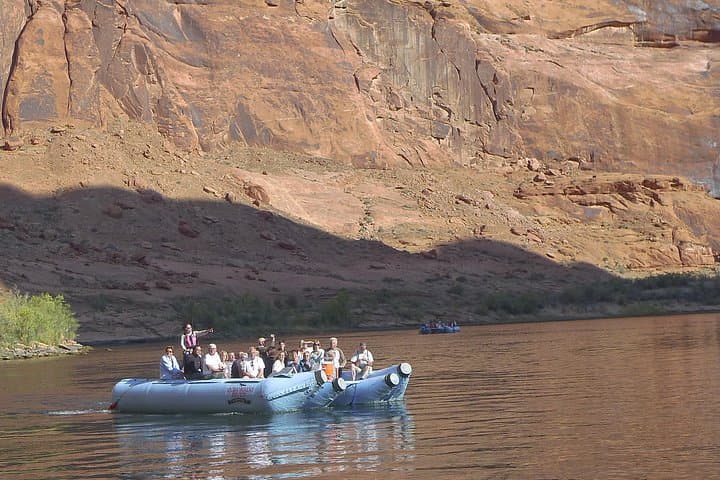

You step off the shuttle while the desert light slides across red walls—an enormous, fluted canyon yawning open, the Colorado River a ribbon of glass at its base. Guides lay out inflatable oar rafts like patient beasts, and for the next three hours the current carries you past 1,000‑foot cliffs, sandy beaches, and the slow, steady story of water shaping stone. The river doesn’t shout; it persuades you to look closer.
You step off the shuttle while the desert light slides across red walls—an enormous, fluted canyon yawning open, the Colorado River a ribbon of glass at its base. Guides lay out inflatable oar rafts like patient beasts, and for the next three hours the current carries you past 1,000‑foot cliffs, sandy beaches, and the slow, steady story of water shaping stone. The river doesn’t shout; it persuades you to look closer.
This float runs on the stretch near Lee’s Ferry and Horseshoe Bend, where the river mellows into broad meanders and the cliffs reveal layers of Navajo and Wingate sandstone stained by iron and manganese. The route skirts the eastern edge of Glen Canyon and threads through land long used and tended by Indigenous peoples—the same shoreline where Ancestral Puebloans and later Navajo communities left petroglyphs and campsites. Lee’s Ferry itself is a historic crossing point dating to the 19th century, a hinge between river-running culture and the wider Southwest.
Geology is obvious here: horizontal beds, tilted fins, and joints the water exploited for millions of years. Glen Canyon Dam upstream changed the river’s pulse, but this reach still offers quiet riffles, warm eddies for a swim, and clean beaches for lunch. Guides interpret the petroglyph panels and Navajo Nation scenery as you drift past, and there’s a practical, respectful tone to the stops—this is tribal land and a living landscape.
Practically speaking: expect a full day. Pickups in Sedona or Flagstaff turn an easy morning into a long, satisfying outing—total time on the schedule runs roughly 10–12 hours, with about 3 hours on the water covering approximately 6–10 river miles. Elevation change on the float is negligible; terrain at stops ranges from fine sand to slickrock ledges and short, uneven shore approaches.
Bring layered sun protection, water shoes that can get wet, and a small dry bag for electronics. Guides provide lunch, bottled water, and local knowledge; children under nine require car seats by Arizona law, so plan accordingly. The pace is unhurried but active—expect short hikes from raft to petroglyph sites and sandy stretches for a swim.
This trip is ideal if you want cinematic canyon walls without the logistics of overnight river running—an accessible way to feel the Colorado’s scale, learn its history, and spend a long day outdoors with expert interpretation and the safety of guided rafts. Respect the land, leave artifacts in place, and you’ll leave with a better idea of how water continues to carve the Southwest and shape the human stories around it.