THE ADVENTURE COLLECTIVE® · Independent discovery and booking for outdoor travel

Seventeen days across Morocco from Casablanca to the Sahara — a route that combines imperial cities, Atlas passes and a night in the dunes. This private tour blends cultural immersion with active exploration, ideal for travelers who want depth and variety.
Seventeen days across Morocco from Casablanca to the Sahara — a route that combines imperial cities, Atlas passes and a night in the dunes. This private tour blends cultural immersion with active exploration, ideal for travelers who want depth and variety.
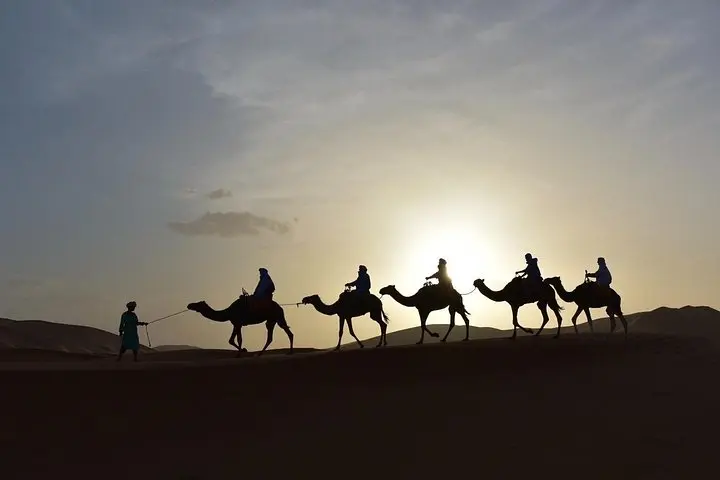
You arrive in Casablanca to the sound of sea and city — a coastline that pushes against the urban grid. Over 17 days the landscape will change like pages in a field guide: Atlantic corniches and Portuguese ramparts, the cool blue alleys of Chefchaouen, cedar forests where Barbary macaques watch from the branches, and finally the Sahara where dunes rise and fall like slow breathing.
Verified experiences and guided adventures in the surrounding area.
Operated by Morocco Tour Guide · Casablanca, Casablanca-Settat
You arrive in Casablanca to the sound of sea and city — a coastline that pushes against the urban grid. Over 17 days the landscape will change like pages in a field guide: Atlantic corniches and Portuguese ramparts, the cool blue alleys of Chefchaouen, cedar forests where Barbary macaques watch from the branches, and finally the Sahara where dunes rise and fall like slow breathing.
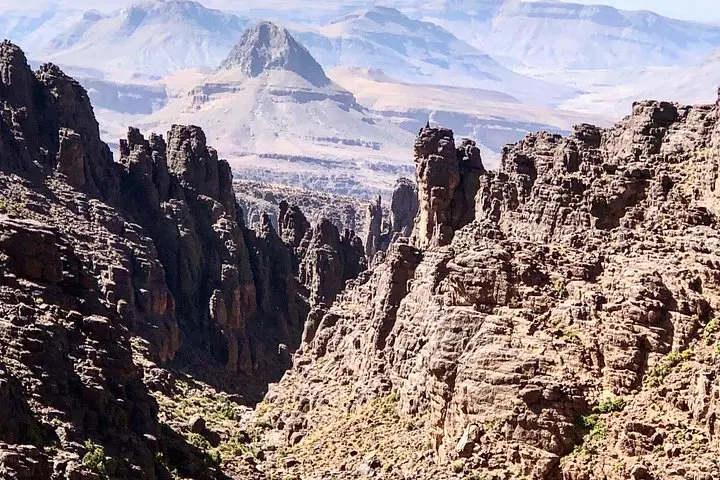
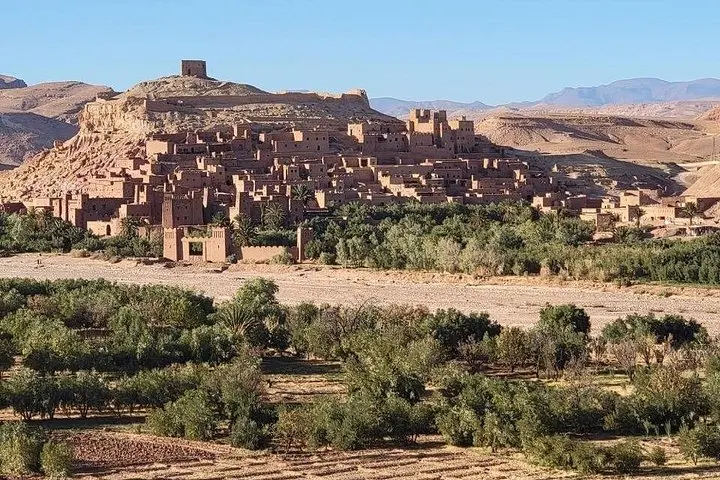
This route threads Morocco's major eras: Roman ruins at Volubilis, imperial capitals in Rabat, Meknes and Fez, and the pre-Saharan kasbah architecture of Aït Ben Haddou — UNESCO-listed examples of earthen building techniques dating back centuries. Geologically, the trip spans coastal plains, the folded High Atlas (peaks near 2,264 m), and the wind-sculpted Erg Chebbi dunes near Merzouga. Culturally you’ll meet Berber and Arab traditions: market bargaining in medinas, argan cooperatives, and tea shared in family homes.
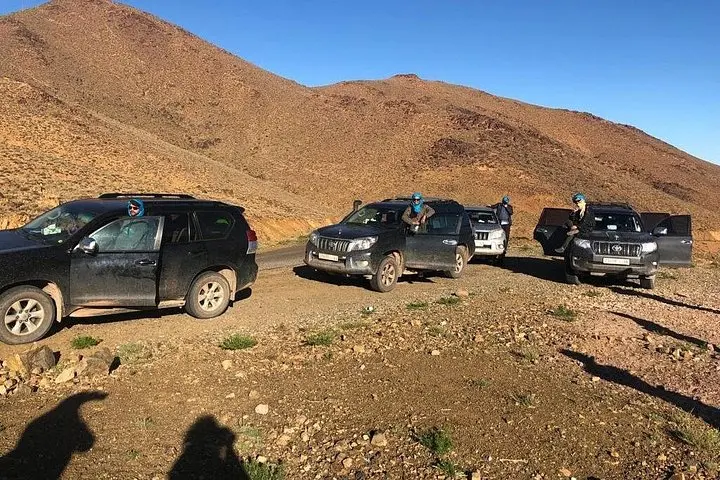
Practical guidance: expect full days with frequent vehicle transfers; carry a daypack with water, sun protection and layers for cool nights in the desert. Footwear should handle cobbled medina lanes and short hikes in the Ourika Valley. For the Sahara overnight, a guided camel trek and a luxury Berber tent are included — bring a warm jacket for pre-dawn temperatures.
Timing: spring and fall offer the most comfortable daytime heat; summer can be very hot in the south. Respect local customs by dressing modestly in towns and mosques. Bring copies of passport and necessary visas; travel insurance with medical evacuation is recommended for remote stretches. This is a travel-rich, physically moderate tour that trades nothing in visual variety.
Children can join but the itinerary includes long drives and early starts; check accommodations and camel rides for age limits and safety.
Some sites include admission while others are noted as not included; check the itinerary details and budget for optional entrance fees.
The tour includes a night in a Berber camp with luxury tents available on the itinerary; expect basic desert facilities with provided bedding and meals.
Yes, travel insurance with medical and evacuation coverage is recommended due to remote desert segments and multi-day travel.
Morocco Tour Guide operates guided outdoor trips and adventures with an emphasis on safety, stewardship, and memorable experiences.
You arrive in Casablanca to the sound of sea and city — a coastline that pushes against the urban grid. Over 17 days the landscape will change like pages in a field guide: Atlantic corniches and Portuguese ramparts, the cool blue alleys of Chefchaouen, cedar forests where Barbary macaques watch from the branches, and finally the Sahara where dunes rise and fall like slow breathing.
You arrive in Casablanca to the sound of sea and city — a coastline that pushes against the urban grid. Over 17 days the landscape will change like pages in a field guide: Atlantic corniches and Portuguese ramparts, the cool blue alleys of Chefchaouen, cedar forests where Barbary macaques watch from the branches, and finally the Sahara where dunes rise and fall like slow breathing.
This route threads Morocco's major eras: Roman ruins at Volubilis, imperial capitals in Rabat, Meknes and Fez, and the pre-Saharan kasbah architecture of Aït Ben Haddou — UNESCO-listed examples of earthen building techniques dating back centuries. Geologically, the trip spans coastal plains, the folded High Atlas (peaks near 2,264 m), and the wind-sculpted Erg Chebbi dunes near Merzouga. Culturally you’ll meet Berber and Arab traditions: market bargaining in medinas, argan cooperatives, and tea shared in family homes.
Practical guidance: expect full days with frequent vehicle transfers; carry a daypack with water, sun protection and layers for cool nights in the desert. Footwear should handle cobbled medina lanes and short hikes in the Ourika Valley. For the Sahara overnight, a guided camel trek and a luxury Berber tent are included — bring a warm jacket for pre-dawn temperatures.
Timing: spring and fall offer the most comfortable daytime heat; summer can be very hot in the south. Respect local customs by dressing modestly in towns and mosques. Bring copies of passport and necessary visas; travel insurance with medical evacuation is recommended for remote stretches. This is a travel-rich, physically moderate tour that trades nothing in visual variety.