THE ADVENTURE COLLECTIVE® · Independent discovery and booking for outdoor travel
Explore the Colosseum, Roman Forum and Palatine Hill at your own pace with an audio guide that explains architecture, politics and everyday life in ancient Rome. This timed-access ticket helps you avoid long waits and gives you the context to turn ruins into stories.
Explore the Colosseum, Roman Forum and Palatine Hill at your own pace with an audio guide that explains architecture, politics and everyday life in ancient Rome. This timed-access ticket helps you avoid long waits and gives you the context to turn ruins into stories.
You step through a modern gate and the city’s ancient bones open like a map. The Colosseum’s tiers rise above you, stone that has seen crowds roar for two millennia; beyond, the Roman Forum stretches along a sun-worn spine of columns and broken pavement, while Palatine Hill presses upward with olive trees and the ghost lines of imperial palaces.
Verified experiences and guided adventures in the surrounding area.
Operated by Trip Knox Ltd · Rome, Lazio
You step through a modern gate and the city’s ancient bones open like a map. The Colosseum’s tiers rise above you, stone that has seen crowds roar for two millennia; beyond, the Roman Forum stretches along a sun-worn spine of columns and broken pavement, while Palatine Hill presses upward with olive trees and the ghost lines of imperial palaces.
Rome’s core is a palimpsest of power: Republican forums, imperial forums, and the emperors’ residences on Palatine. Geologically, the area sits on compacted fluvial deposits from the Tiber and layers of volcanic tuff and travertine quarried by Romans; the result is both durable and uneven walking surfaces. Cultural life historically revolved around the Forum’s basilicas, temples and markets, and the Colosseum staged spectacles that shaped public life and imperial image.
Your audio guide fills gaps—dates, names, and the practicalities of Roman engineering—while the ruins themselves ask you to read inscriptions and imagine crowds. Palatine Hill rewards a short climb with views over the Forum and the city; shade and wind can change quickly, with history in one hand and a map in the other.
Practical guidance: timed tickets reduce queues—arrive 10–15 minutes early for security checks. Wear sturdy shoes for uneven stone, carry water, and plan for 1–4 hours depending on pace. Photography is allowed but respect restricted areas. If mobility is limited, check access notes in advance; some ramps and elevators cover parts of the Colosseum but not all archaeological layers.
No—mobile tickets are accepted; have your QR code ready on arrival and allow extra time for security checks.
Parts of the Colosseum and Forum have ramps and an elevator for accessibility, but some archaeological areas and steep sections are not fully accessible—check specific access maps beforehand.
Plan 1–4 hours depending on pace: 60–90 minutes for highlights with the audio guide, 3–4 hours for a lingering visit including Palatine viewpoints.
Small backpacks are allowed but larger bags may be subject to security restrictions; avoid oversized luggage to prevent delays.
Trip Knox Ltd operates guided outdoor trips and adventures with an emphasis on safety, stewardship, and memorable experiences.
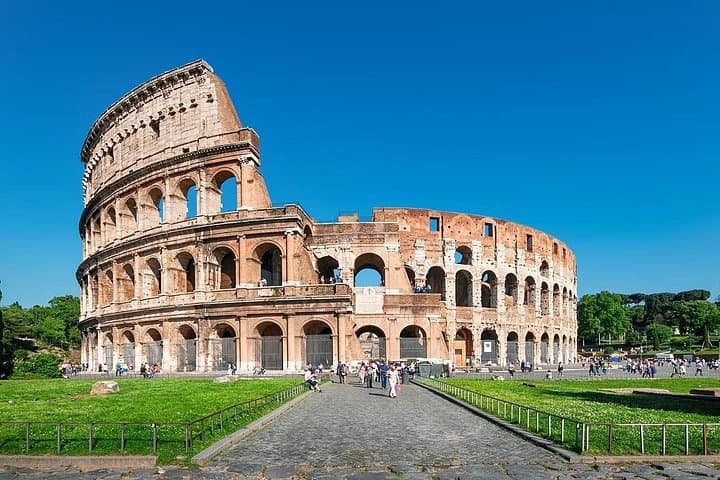
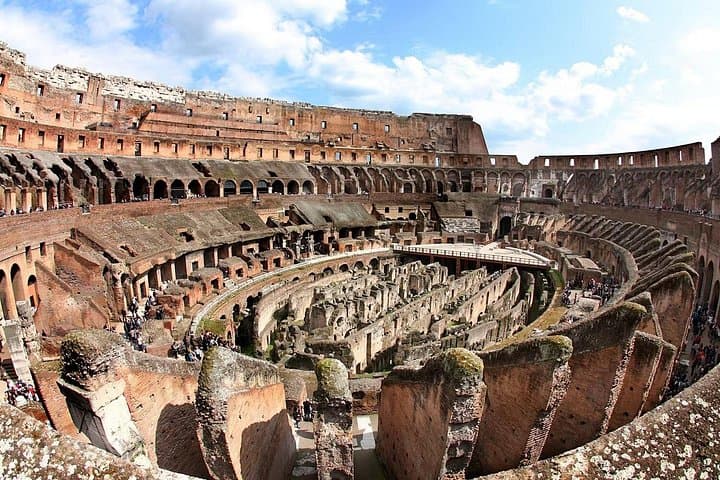
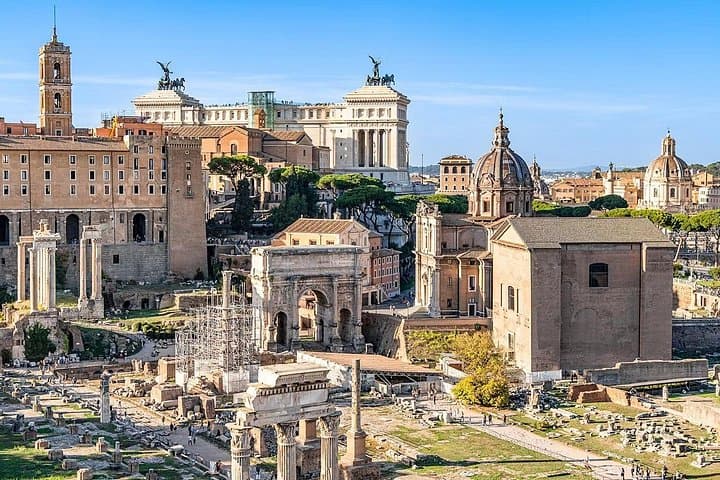
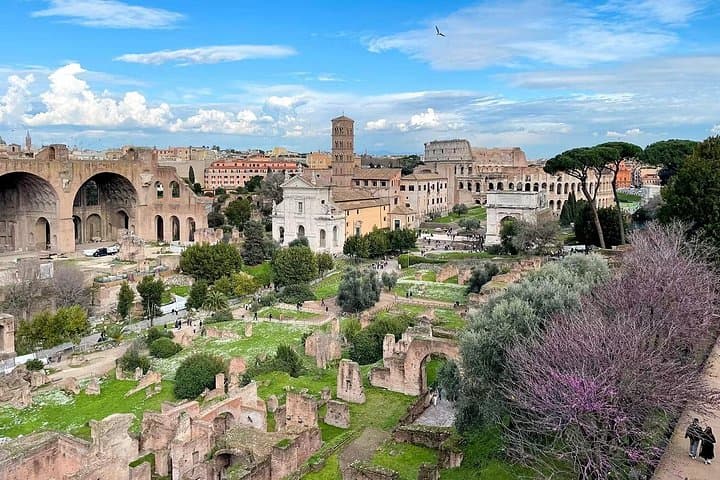
You step through a modern gate and the city’s ancient bones open like a map. The Colosseum’s tiers rise above you, stone that has seen crowds roar for two millennia; beyond, the Roman Forum stretches along a sun-worn spine of columns and broken pavement, while Palatine Hill presses upward with olive trees and the ghost lines of imperial palaces.
You step through a modern gate and the city’s ancient bones open like a map. The Colosseum’s tiers rise above you, stone that has seen crowds roar for two millennia; beyond, the Roman Forum stretches along a sun-worn spine of columns and broken pavement, while Palatine Hill presses upward with olive trees and the ghost lines of imperial palaces.
Rome’s core is a palimpsest of power: Republican forums, imperial forums, and the emperors’ residences on Palatine. Geologically, the area sits on compacted fluvial deposits from the Tiber and layers of volcanic tuff and travertine quarried by Romans; the result is both durable and uneven walking surfaces. Cultural life historically revolved around the Forum’s basilicas, temples and markets, and the Colosseum staged spectacles that shaped public life and imperial image.
Your audio guide fills gaps—dates, names, and the practicalities of Roman engineering—while the ruins themselves ask you to read inscriptions and imagine crowds. Palatine Hill rewards a short climb with views over the Forum and the city; shade and wind can change quickly, with history in one hand and a map in the other.
Practical guidance: timed tickets reduce queues—arrive 10–15 minutes early for security checks. Wear sturdy shoes for uneven stone, carry water, and plan for 1–4 hours depending on pace. Photography is allowed but respect restricted areas. If mobility is limited, check access notes in advance; some ramps and elevators cover parts of the Colosseum but not all archaeological layers.
