THE ADVENTURE COLLECTIVE® · Independent discovery and booking for outdoor travel

Explore three of Rome’s defining sites with a licensed guide: the Colosseum’s arena, the Palatine’s viewpoints, and the ruins of the Roman Forum. This focused 1–2 hour walking tour mixes sweeping views with close-up history and practical tips for navigating uneven ancient terrain.
Explore three of Rome’s defining sites with a licensed guide: the Colosseum’s arena, the Palatine’s viewpoints, and the ruins of the Roman Forum. This focused 1–2 hour walking tour mixes sweeping views with close-up history and practical tips for navigating uneven ancient terrain.
You step through a security gate and the city’s noise narrows to the clack of tourists’ shoes on ancient stone. The Colosseum rises ahead—tiered arches that still throw deep shadows—and a guide’s voice threads stories of gladiators, crowd roar, and engineering that held 50,000 people.
Verified experiences and guided adventures in the surrounding area.
Operated by Rome Go · Rome, Lazio
You step through a security gate and the city’s noise narrows to the clack of tourists’ shoes on ancient stone. The Colosseum rises ahead—tiered arches that still throw deep shadows—and a guide’s voice threads stories of gladiators, crowd roar, and engineering that held 50,000 people.
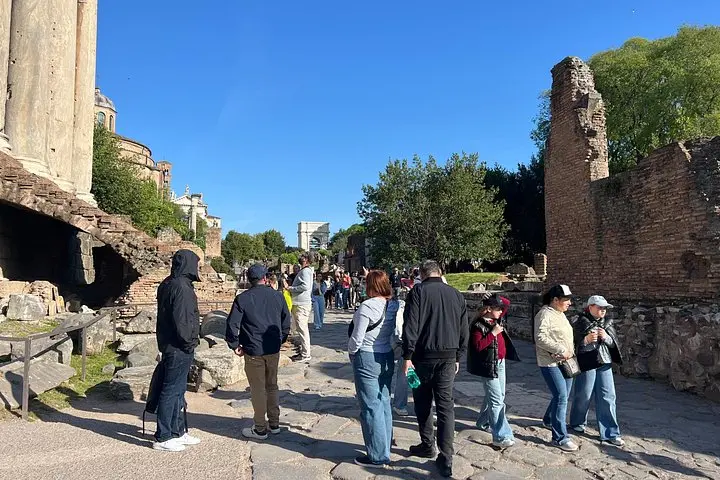
The tour moves from arena to hill: Palatine Hill’s terraces reveal layers of Rome’s occupation, volcanic tuff and travertine stacked by centuries of builders. Below, the Roman Forum opens like an urban excavation—temples, basilicas, and triumphal arches mapping politics, religion, and commerce from Republic to Empire. Cultural footnotes matter here: emperors used architecture as propaganda, and later Romans repurposed materials, creating the palimpsest visitors see today.
Practical guidance locks the experience into place. The full route runs about 1–2 hours and includes uneven paving, steps, and short climbs on Palatine terraces—comfortable, sturdy footwear is crucial. Tickets and entry are name-specific; bring government ID matching your reservation. Security screening is mandatory; large bags and tripods are usually not allowed. Mornings are cooler and quieter; late afternoons offer warmer light for photos but heavier crowds.
Listen for architectural details—stone joints, metal clamps, and reused columns—and allow time for questions: small-group size makes discussion possible. Hydrate and pick pockets carefully in crowded zones. The result is efficient: a concentrated sweep through Rome’s civic heart that balances panoramic outlooks with close reading of the stones that shaped Western urban life.
Yes—admission to the Colosseum, Roman Forum, and Palatine Hill is included and issued in the participant’s name.
All visitors must present a valid government-issued ID (passport, national ID card, or driver’s license) that matches the booking name.
Accessibility is limited: many areas have uneven pavement and stairs; travelers with serious mobility issues should contact the operator for specific accommodations.
Full refund available if canceled at least 24 hours before the scheduled departure; late cancellations are non-refundable.
Rome Go operates guided outdoor trips and adventures with an emphasis on safety, stewardship, and memorable experiences.
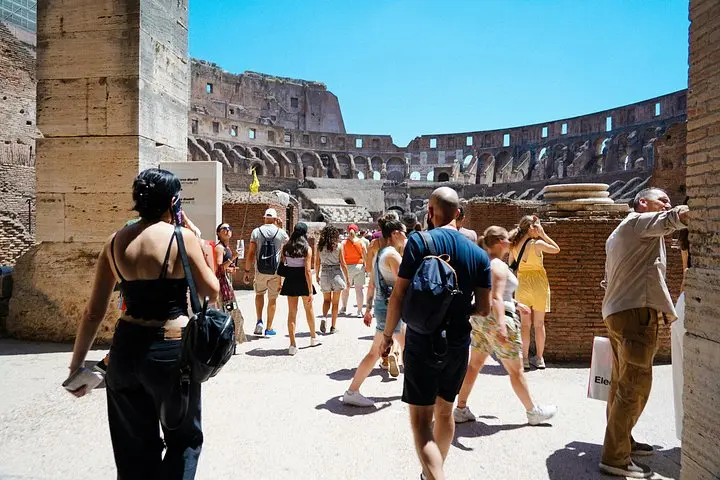
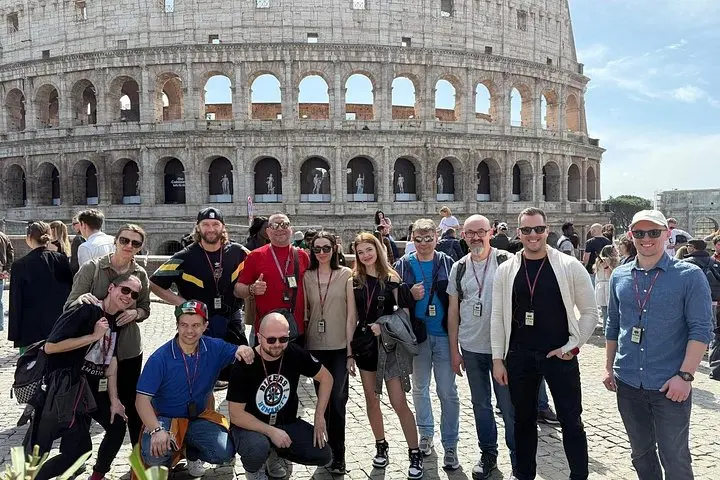
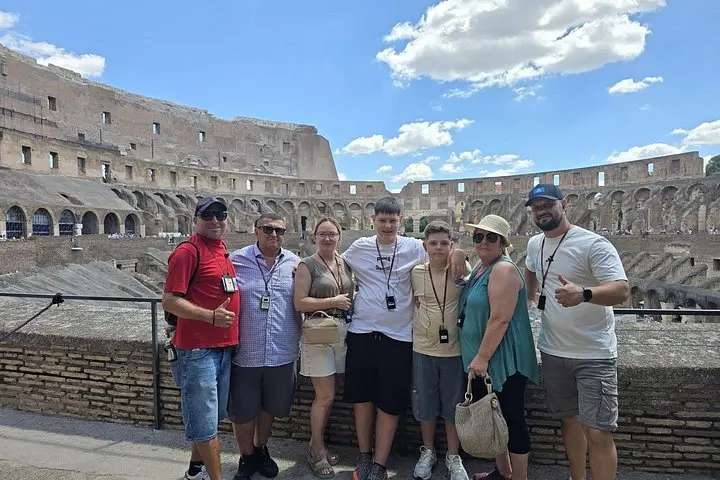
You step through a security gate and the city’s noise narrows to the clack of tourists’ shoes on ancient stone. The Colosseum rises ahead—tiered arches that still throw deep shadows—and a guide’s voice threads stories of gladiators, crowd roar, and engineering that held 50,000 people.
You step through a security gate and the city’s noise narrows to the clack of tourists’ shoes on ancient stone. The Colosseum rises ahead—tiered arches that still throw deep shadows—and a guide’s voice threads stories of gladiators, crowd roar, and engineering that held 50,000 people.
The tour moves from arena to hill: Palatine Hill’s terraces reveal layers of Rome’s occupation, volcanic tuff and travertine stacked by centuries of builders. Below, the Roman Forum opens like an urban excavation—temples, basilicas, and triumphal arches mapping politics, religion, and commerce from Republic to Empire. Cultural footnotes matter here: emperors used architecture as propaganda, and later Romans repurposed materials, creating the palimpsest visitors see today.
Practical guidance locks the experience into place. The full route runs about 1–2 hours and includes uneven paving, steps, and short climbs on Palatine terraces—comfortable, sturdy footwear is crucial. Tickets and entry are name-specific; bring government ID matching your reservation. Security screening is mandatory; large bags and tripods are usually not allowed. Mornings are cooler and quieter; late afternoons offer warmer light for photos but heavier crowds.
Listen for architectural details—stone joints, metal clamps, and reused columns—and allow time for questions: small-group size makes discussion possible. Hydrate and pick pockets carefully in crowded zones. The result is efficient: a concentrated sweep through Rome’s civic heart that balances panoramic outlooks with close reading of the stones that shaped Western urban life.