THE ADVENTURE COLLECTIVE® · Independent discovery and booking for outdoor travel

Drive the Historic Columbia River Highway, step onto the footbridge beneath Multnomah Falls, and finish an afternoon tasting wines from the Columbia Gorge AVA. This accessible half-day tour blends natural history, short walks, and a vineyard stop—perfect for travelers who want big scenery with light exertion.
Drive the Historic Columbia River Highway, step onto the footbridge beneath Multnomah Falls, and finish an afternoon tasting wines from the Columbia Gorge AVA. This accessible half-day tour blends natural history, short walks, and a vineyard stop—perfect for travelers who want big scenery with light exertion.
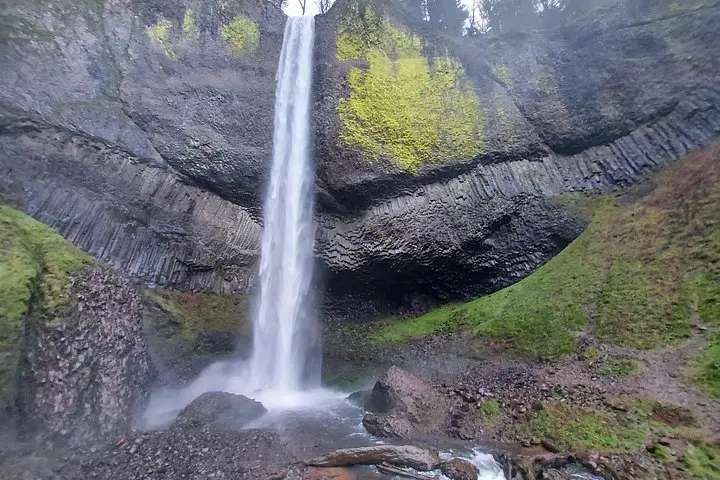
The van eases onto the Historic Columbia River Highway and the gorge opens, a sudden valley cut with basalt cliffs that catch the late-afternoon light. Waterfall alley announces itself in a chorus of plumes—short, quick falls and one long, theatrical drop that always steals the show. Guides point, explain, and fold stories into the drive: a stone rest stop built as a place to linger, a highway laid out for Model T motorists, and a river that still shapes how people live here.
Verified experiences and guided adventures in the surrounding area.
Operated by Terran Travels · Multnomah Falls, Oregon
The van eases onto the Historic Columbia River Highway and the gorge opens, a sudden valley cut with basalt cliffs that catch the late-afternoon light. Waterfall alley announces itself in a chorus of plumes—short, quick falls and one long, theatrical drop that always steals the show. Guides point, explain, and fold stories into the drive: a stone rest stop built as a place to linger, a highway laid out for Model T motorists, and a river that still shapes how people live here.
This half-day tour threads through the western edge of the Columbia River Gorge National Scenic Area, a 85-mile corridor where geology and human history collide. The highway itself, completed in the 1910s and influenced by European mountain roads, is an early example of parkway design in the United States. Basalt flows from ancient eruptions create columnar cliffs; wind and ice have carved slot canyons and hanging gardens where rare plants cling to near-vertical rock.
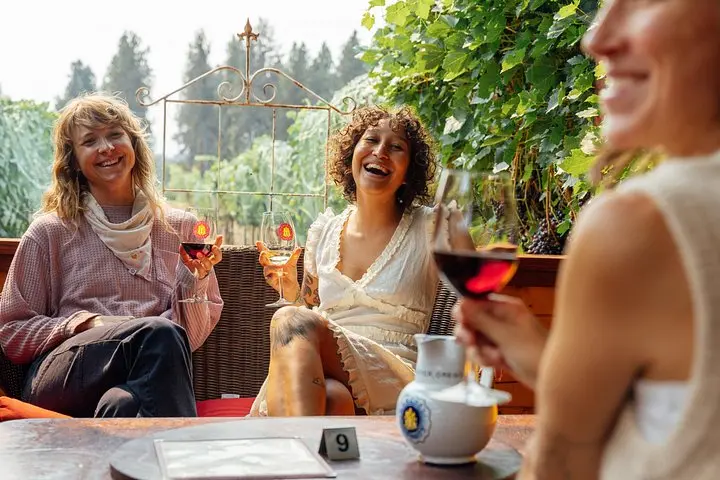
Natural history and culture arrive simultaneously: the Columbia River—broad, calculating—fed salmon runs that supported Indigenous peoples and later industrial fisheries. Bonneville Dam and hatcheries are visible reminders of twentieth-century engineering and its cost; the modern story here is one of restoration, from dam mitigation to returning fish runs. Wine gets a voice too. The Columbia Gorge AVA, a narrow band of vineyards that benefits from the rain shadow of the Cascades, produces crisp whites and lighter reds; tasting fees at a local vineyard are included, so the afternoon closes with soil, sun, and sip.
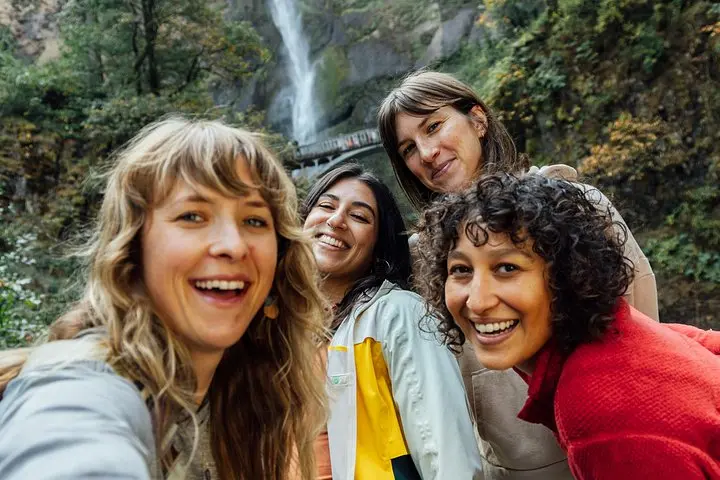
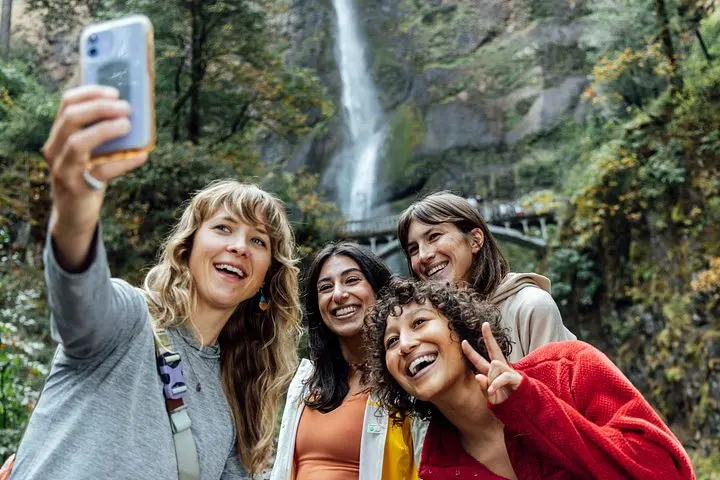
On foot, the itinerary is approachable. Expect short walks and viewpoint stops: a switchback trail to a viewing bridge beneath a 249-foot cascade, a quick stroll to the Vista House for a panoramic balcony shot, and a brief path to Multnomah Falls’ base and its iconic footbridge. Multnomah Falls itself drops about 620 feet in two tiers—an unavoidable photograph and a good reason to wear grippy shoes.
Practical guidance: this is an easy, social tour designed for mixed fitness levels but bring layers—the gorge can turn damp and cool even on sunny days. Waterproof shoes or sturdy trail runners, a wind- or rain-resistant jacket, and a refillable water bottle are sensible. Leave time on your camera for the bridge and the Vista House balcony; late afternoon light softens the basalt and opens up river views.
Logistics are straightforward: 4–5 hour duration, hotel pickup in Portland, snacks and bottled water provided, and tasting fees included for one vineyard. If you want to linger at a particular fall, mention it to your guide—the route is structured, but the highlights are worth a little flexibility.
Approximately 4–5 hours, including stops at viewpoints, Multnomah Falls, and one vineyard tasting.
The vehicle and many roadside viewpoints are wheelchair accessible, but some waterfall viewpoints involve stairs and uneven paths—check with the operator for specific accessibility needs.
Yes, wine tasting fees at one Columbia Gorge AVA vineyard are included in the tour price.
Yes—hotel pickup within Portland is provided; you'll be asked to confirm your pickup point when booking.
Children can join the tour, but wine tastings require participants to be 21 or older; snacks and bottled water are provided.
Full refunds are available if you cancel at least 24 hours before departure; cancellations within 24 hours are non-refundable.
Terran Travels operates guided outdoor trips and adventures with an emphasis on safety, stewardship, and memorable experiences.
The van eases onto the Historic Columbia River Highway and the gorge opens, a sudden valley cut with basalt cliffs that catch the late-afternoon light. Waterfall alley announces itself in a chorus of plumes—short, quick falls and one long, theatrical drop that always steals the show. Guides point, explain, and fold stories into the drive: a stone rest stop built as a place to linger, a highway laid out for Model T motorists, and a river that still shapes how people live here.
The van eases onto the Historic Columbia River Highway and the gorge opens, a sudden valley cut with basalt cliffs that catch the late-afternoon light. Waterfall alley announces itself in a chorus of plumes—short, quick falls and one long, theatrical drop that always steals the show. Guides point, explain, and fold stories into the drive: a stone rest stop built as a place to linger, a highway laid out for Model T motorists, and a river that still shapes how people live here.
This half-day tour threads through the western edge of the Columbia River Gorge National Scenic Area, a 85-mile corridor where geology and human history collide. The highway itself, completed in the 1910s and influenced by European mountain roads, is an early example of parkway design in the United States. Basalt flows from ancient eruptions create columnar cliffs; wind and ice have carved slot canyons and hanging gardens where rare plants cling to near-vertical rock.
Natural history and culture arrive simultaneously: the Columbia River—broad, calculating—fed salmon runs that supported Indigenous peoples and later industrial fisheries. Bonneville Dam and hatcheries are visible reminders of twentieth-century engineering and its cost; the modern story here is one of restoration, from dam mitigation to returning fish runs. Wine gets a voice too. The Columbia Gorge AVA, a narrow band of vineyards that benefits from the rain shadow of the Cascades, produces crisp whites and lighter reds; tasting fees at a local vineyard are included, so the afternoon closes with soil, sun, and sip.
On foot, the itinerary is approachable. Expect short walks and viewpoint stops: a switchback trail to a viewing bridge beneath a 249-foot cascade, a quick stroll to the Vista House for a panoramic balcony shot, and a brief path to Multnomah Falls’ base and its iconic footbridge. Multnomah Falls itself drops about 620 feet in two tiers—an unavoidable photograph and a good reason to wear grippy shoes.
Practical guidance: this is an easy, social tour designed for mixed fitness levels but bring layers—the gorge can turn damp and cool even on sunny days. Waterproof shoes or sturdy trail runners, a wind- or rain-resistant jacket, and a refillable water bottle are sensible. Leave time on your camera for the bridge and the Vista House balcony; late afternoon light softens the basalt and opens up river views.
Logistics are straightforward: 4–5 hour duration, hotel pickup in Portland, snacks and bottled water provided, and tasting fees included for one vineyard. If you want to linger at a particular fall, mention it to your guide—the route is structured, but the highlights are worth a little flexibility.