THE ADVENTURE COLLECTIVE® · Independent discovery and booking for outdoor travel

Drive the Columbia River Gorge with a guide and small group shuttle, visiting five of the area’s most famous waterfalls including the two-tiered Multnomah Falls and Crown Point’s Vista House. This half-day tour packs geology, history, and camera-ready stops into a convenient trip from downtown Portland.
Drive the Columbia River Gorge with a guide and small group shuttle, visiting five of the area’s most famous waterfalls including the two-tiered Multnomah Falls and Crown Point’s Vista House. This half-day tour packs geology, history, and camera-ready stops into a convenient trip from downtown Portland.
The bus eases out of downtown Portland before sunrise, coffee steam still rising from paper cups as the city loosens its grip. Highway 30 becomes a ribbon along the river, and within forty-five minutes the canyon opens—sheer basalt walls, swaths of moss, and water that seems to prefer falling to anything else. The guide points to the first curtain of spray and the tour settles into a slower heartbeat: this is a day measured in ledges, plunge pools and viewpoints.
Verified experiences and guided adventures in the surrounding area.
Operated by Waterfall Shuttle · Corbett, Oregon
The bus eases out of downtown Portland before sunrise, coffee steam still rising from paper cups as the city loosens its grip. Highway 30 becomes a ribbon along the river, and within forty-five minutes the canyon opens—sheer basalt walls, swaths of moss, and water that seems to prefer falling to anything else. The guide points to the first curtain of spray and the tour settles into a slower heartbeat: this is a day measured in ledges, plunge pools and viewpoints.
The Columbia River Gorge is a geological record as much as a playground. Millennia of Missoula Floods and volcanic flows carved the gorge’s basalt cliffs; water has since found every seam and fault to make waterfalls where the rock gives way. Multnomah Falls, the tour’s centerpiece, drops in two distinct tiers off an ancient lava flow and has been a waypoint for local Chinook people and later settlers for centuries. Crown Point’s Vista House perches on a lava outcrop, a stone observatory built in the early 20th century to frame a river that made the Pacific Northwest’s trade and migration routes possible.
Culturally, the corridor has always been a place of motion—trappers, river pilots, railroad builders and now cyclists and hikers all have left their marks. The tour moves through that history with stops that let you stand under vertical sheets of water, cross a historic footbridge, and watch the Columbia widen below. Guides keep the narrative practical—where to get the best unobstructed photo, which overlooks clear on hazy days, and how the seasonal flow changes the character of each fall.
Practical side: this is a small-group shuttle tour with multiple short walks totaling roughly 2.5 hours on foot within a 4.5-hour window including transit. Trails are generally well-maintained but can be wet and slick; expect short stair sections and viewpoints that require standing on packed-gravel overlooks. There’s time to buy a snack at Multnomah Lodge and to linger at Crown Point for sunset if the schedule and weather align. If you’re relying on hotel pickup, plan to be ready 45 minutes before departure. Waterproof layers, good grip on your shoes, and a camera with a lens hood will make the day more comfortable and rewarding.
The route is excellent for photographers, families with moderately active kids, and anyone who wants the Gorge’s highlights without driving. Peak water flow is in spring and early summer; late summer yields drier trails and clearer skies. Respect posted signs at viewing platforms—these walls can be slippery and unpredictable. With a guide, the timing avoids the worst roadside crowds and transforms a scenic highway into a moving classroom about geology, local history and the simple, insistent power of falling water.
Yes—over 50 downtown Portland hotels are on the pickup list; if yours isn’t listed you’ll be directed to a central meeting point.
Main transportation is wheelchair accessible; however, many waterfall viewpoints have steps or uneven surfaces—access varies by stop.
Yes—families are welcome but infants must sit on laps; short walks are suitable for moderately active children.
Yes—there is a stop at Multnomah Lodge and short windows at other parks to purchase snacks, but bring extras if you need specific dietary items.
Swimming at Multnomah Falls base is not recommended due to cold water and strong currents; follow posted safety signs and ranger guidance.
Morning light and overcast days reduce harsh shadows; for Crown Point and river vistas, late afternoon can produce dramatic side-lighting.
Waterfall Shuttle operates guided outdoor trips and adventures with an emphasis on safety, stewardship, and memorable experiences.
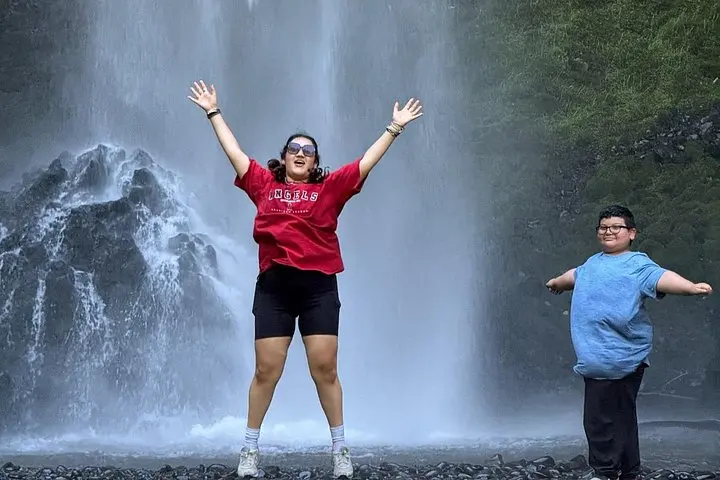
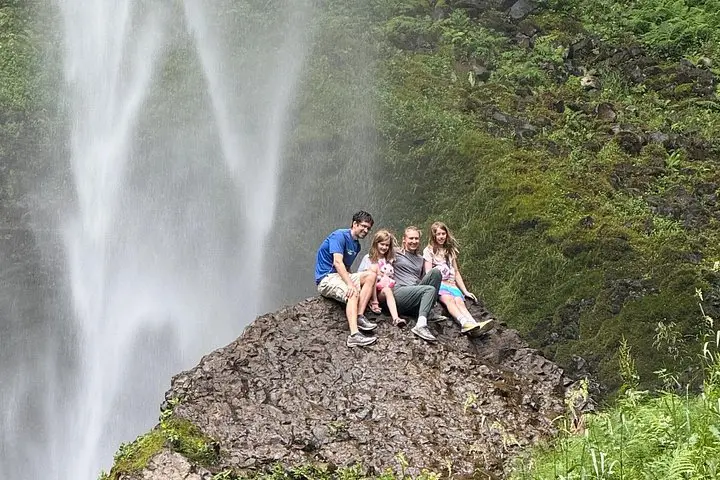
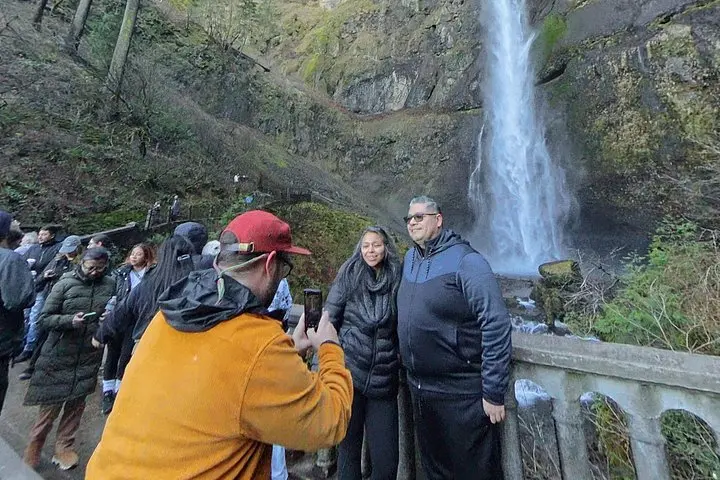
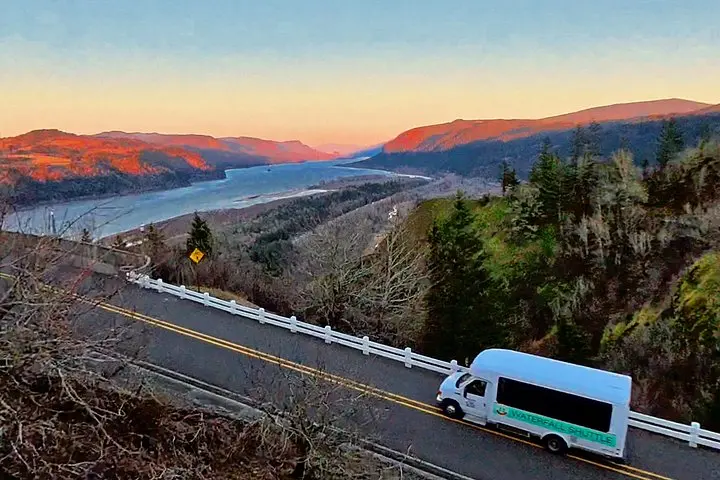
The bus eases out of downtown Portland before sunrise, coffee steam still rising from paper cups as the city loosens its grip. Highway 30 becomes a ribbon along the river, and within forty-five minutes the canyon opens—sheer basalt walls, swaths of moss, and water that seems to prefer falling to anything else. The guide points to the first curtain of spray and the tour settles into a slower heartbeat: this is a day measured in ledges, plunge pools and viewpoints.
The bus eases out of downtown Portland before sunrise, coffee steam still rising from paper cups as the city loosens its grip. Highway 30 becomes a ribbon along the river, and within forty-five minutes the canyon opens—sheer basalt walls, swaths of moss, and water that seems to prefer falling to anything else. The guide points to the first curtain of spray and the tour settles into a slower heartbeat: this is a day measured in ledges, plunge pools and viewpoints.
The Columbia River Gorge is a geological record as much as a playground. Millennia of Missoula Floods and volcanic flows carved the gorge’s basalt cliffs; water has since found every seam and fault to make waterfalls where the rock gives way. Multnomah Falls, the tour’s centerpiece, drops in two distinct tiers off an ancient lava flow and has been a waypoint for local Chinook people and later settlers for centuries. Crown Point’s Vista House perches on a lava outcrop, a stone observatory built in the early 20th century to frame a river that made the Pacific Northwest’s trade and migration routes possible.
Culturally, the corridor has always been a place of motion—trappers, river pilots, railroad builders and now cyclists and hikers all have left their marks. The tour moves through that history with stops that let you stand under vertical sheets of water, cross a historic footbridge, and watch the Columbia widen below. Guides keep the narrative practical—where to get the best unobstructed photo, which overlooks clear on hazy days, and how the seasonal flow changes the character of each fall.
Practical side: this is a small-group shuttle tour with multiple short walks totaling roughly 2.5 hours on foot within a 4.5-hour window including transit. Trails are generally well-maintained but can be wet and slick; expect short stair sections and viewpoints that require standing on packed-gravel overlooks. There’s time to buy a snack at Multnomah Lodge and to linger at Crown Point for sunset if the schedule and weather align. If you’re relying on hotel pickup, plan to be ready 45 minutes before departure. Waterproof layers, good grip on your shoes, and a camera with a lens hood will make the day more comfortable and rewarding.
The route is excellent for photographers, families with moderately active kids, and anyone who wants the Gorge’s highlights without driving. Peak water flow is in spring and early summer; late summer yields drier trails and clearer skies. Respect posted signs at viewing platforms—these walls can be slippery and unpredictable. With a guide, the timing avoids the worst roadside crowds and transforms a scenic highway into a moving classroom about geology, local history and the simple, insistent power of falling water.