THE ADVENTURE COLLECTIVE® · Independent discovery and booking for outdoor travel

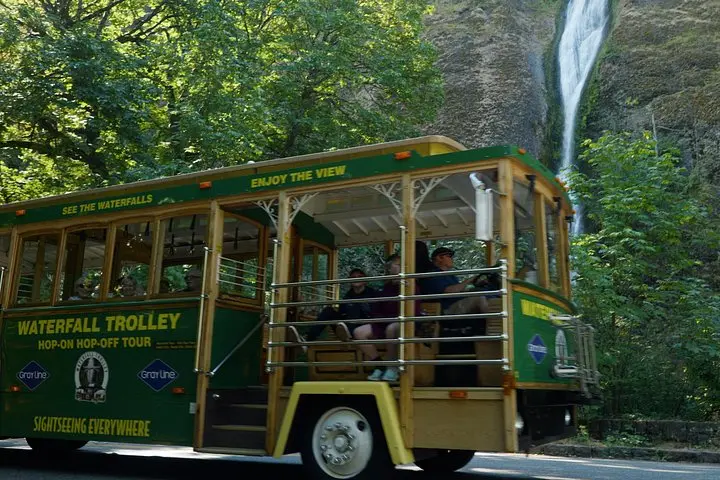
Ride an open-air trolley along the Historic Columbia River Highway to see Multnomah Falls and a string of cascades without worrying about parking. Hop on or off at nine stops to hike, photograph, and learn the Gorge’s geology and history.
Ride an open-air trolley along the Historic Columbia River Highway to see Multnomah Falls and a string of cascades without worrying about parking. Hop on or off at nine stops to hike, photograph, and learn the Gorge’s geology and history.
You step onto an open-air trolley and the Gorge rearranges itself: basalt cliffs rising like folded pages, a river that dares you to look away, and waterfalls unspooling down lush green walls.
Verified experiences and guided adventures in the surrounding area.
Operated by Gray Line of Portland · Corbett, Oregon
You step onto an open-air trolley and the Gorge rearranges itself: basalt cliffs rising like folded pages, a river that dares you to look away, and waterfalls unspooling down lush green walls.
The Historic Columbia River Highway—an early 20th-century engineering and scenic-design effort led by Samuel Lancaster—threads the canyon. Vista House at Crown Point, the highway’s ceremonial overlook, reads like a pause in the climb; Multnomah Falls, a two-tiered cascade fed by Cascade snowmelt, steals the afternoon.
Geology here is blunt and visible: Columbia River flood basalts capped by younger scarps and cut by Missoula Flood channels. The Columbia River Gorge was sculpted by ice-age floods and current-driven erosion; waterfalls mark where resistant rock layers step down. Indigenous peoples of the lower Columbia, including groups from Chinookan nations, have long ties to these river corridors.
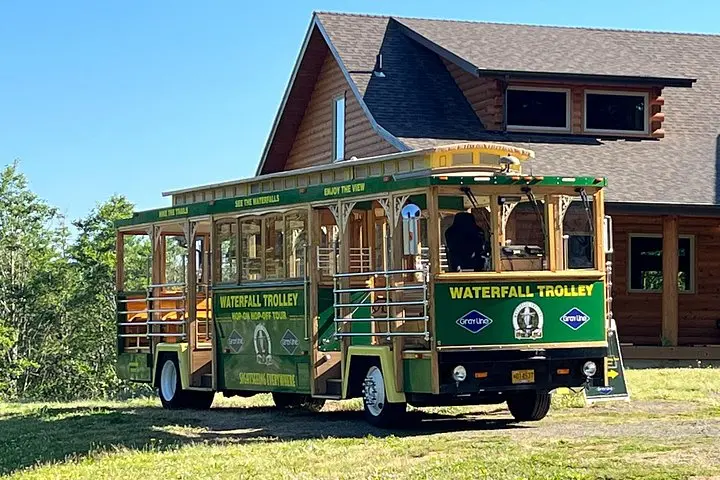
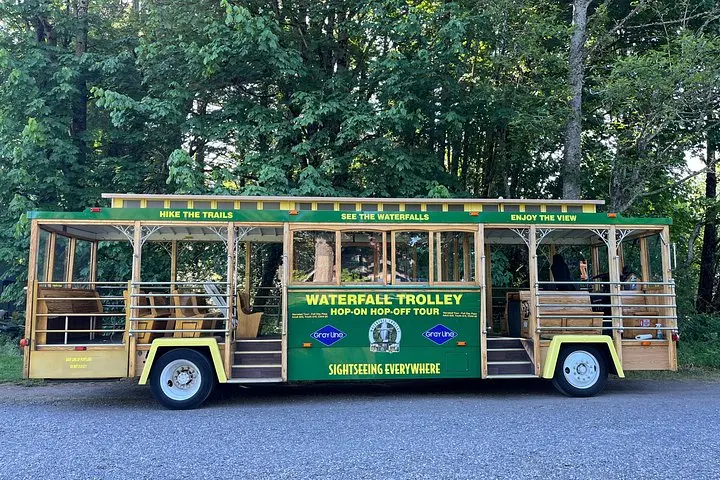
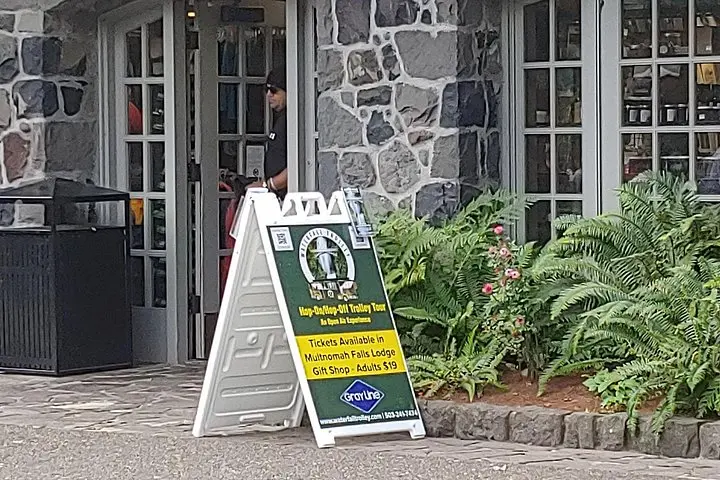
The trolley is practical transport and interpretive guide—narration points out trailheads, geology, and cultural sites as the driver follows an hourly loop with nine scheduled stops. Board in Corbett (free parking at the Crown Point Country Historical Society Museum) or at Multnomah Falls; exchange your voucher for a one-day pass and hop off to hike short trails or take photos.
Plan for wet shoes, variable weather, and crowds at peak hours. Angels Rest and short spur trails gain steep elevation quickly; allow time to return to your chosen stop. Bring layers and rain protection, arrive early for quieter viewpoints, and use the trolley schedule to avoid last-minute scrambling for parking. The trolley turns a stressful parking day into a flexible, low-impact way to experience the Gorge.
Free parking is available at the Crown Point Country Historical Society Museum (36901 E Historic Columbia River Highway, Corbett) where the first boarding location is located.
Yes—this is a hop-on/hop-off one-day pass. Show your pass to the driver when reboarding; service runs roughly once per hour on scheduled departures.
Yes. The trolleys and transportation options are wheelchair accessible; provide 24 hours’ notice if a wheelchair lift is required so arrangements can be made.
Check the printed schedule handed out at boarding and plan return times accordingly; missing the last departure will require arranging alternate transportation back to your vehicle or accommodations.
Gray Line of Portland operates guided outdoor trips and adventures with an emphasis on safety, stewardship, and memorable experiences.
You step onto an open-air trolley and the Gorge rearranges itself: basalt cliffs rising like folded pages, a river that dares you to look away, and waterfalls unspooling down lush green walls.
You step onto an open-air trolley and the Gorge rearranges itself: basalt cliffs rising like folded pages, a river that dares you to look away, and waterfalls unspooling down lush green walls.
The Historic Columbia River Highway—an early 20th-century engineering and scenic-design effort led by Samuel Lancaster—threads the canyon. Vista House at Crown Point, the highway’s ceremonial overlook, reads like a pause in the climb; Multnomah Falls, a two-tiered cascade fed by Cascade snowmelt, steals the afternoon.
Geology here is blunt and visible: Columbia River flood basalts capped by younger scarps and cut by Missoula Flood channels. The Columbia River Gorge was sculpted by ice-age floods and current-driven erosion; waterfalls mark where resistant rock layers step down. Indigenous peoples of the lower Columbia, including groups from Chinookan nations, have long ties to these river corridors.
The trolley is practical transport and interpretive guide—narration points out trailheads, geology, and cultural sites as the driver follows an hourly loop with nine scheduled stops. Board in Corbett (free parking at the Crown Point Country Historical Society Museum) or at Multnomah Falls; exchange your voucher for a one-day pass and hop off to hike short trails or take photos.
Plan for wet shoes, variable weather, and crowds at peak hours. Angels Rest and short spur trails gain steep elevation quickly; allow time to return to your chosen stop. Bring layers and rain protection, arrive early for quieter viewpoints, and use the trolley schedule to avoid last-minute scrambling for parking. The trolley turns a stressful parking day into a flexible, low-impact way to experience the Gorge.