THE ADVENTURE COLLECTIVE® · Independent discovery and booking for outdoor travel

Step back into California’s Gold Rush on a focused, one-hour walking tour through Columbia State Historic Park. Explore preserved 1850s storefronts, optional gold-panning, and stagecoach-era storytelling while learning practical tips for timing, accessibility, and what to bring.
Step back into California’s Gold Rush on a focused, one-hour walking tour through Columbia State Historic Park. Explore preserved 1850s storefronts, optional gold-panning, and stagecoach-era storytelling while learning practical tips for timing, accessibility, and what to bring.
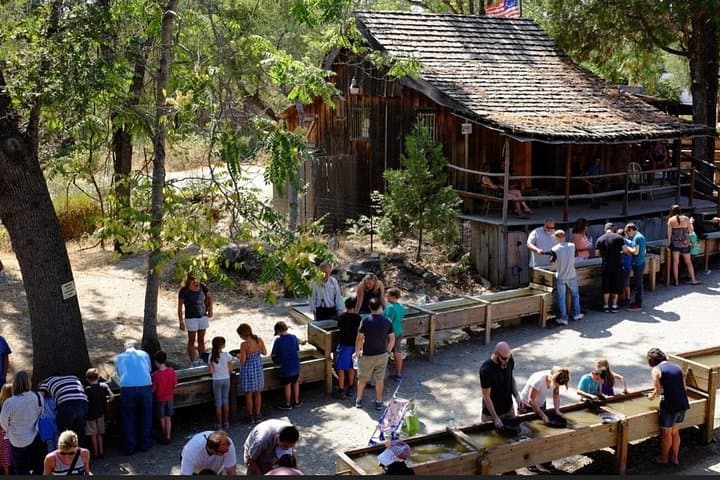
A late-morning sun warms the wooden facades of Columbia’s Main Street as footsteps click over plank sidewalks and horse-whispered wheels creak in the distance. The Columbia State Historic Park walking tour drops you into a living Gold Rush scene — one hour of guided stories, period performances, and the option to try gold panning where sluice water still tumbles over black sand.
Verified experiences and guided adventures in the surrounding area.
Operated by Valuable Essential Must Experience · Columbia, California
A late-morning sun warms the wooden facades of Columbia’s Main Street as footsteps click over plank sidewalks and horse-whispered wheels creak in the distance. The Columbia State Historic Park walking tour drops you into a living Gold Rush scene — one hour of guided stories, period performances, and the option to try gold panning where sluice water still tumbles over black sand.
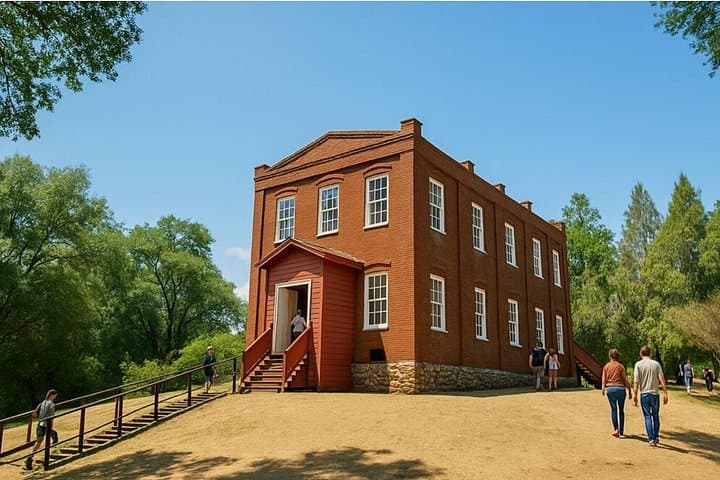
Columbia rose quickly after the 1850s discoveries and the park preserves dozens of original storefronts, a restored theatre, and a handful of small museums. The town sits in Sierra foothill country, where quartz veins once drew miners and where the soil and river gravels still tell a miner’s tale. Local culture leans into reenactment and family-friendly interpretation: you’ll hear miners’ slang, see stagecoach-era transport, and learn about the area’s transition from boomtown to preserved historic district.
Practical guidance: the guided loop covers roughly a half-mile through a compact, mostly level historic district on mixed packed-earth and wooden sidewalks — expect easy walking but some uneven boards. Bring comfortable shoes, sun protection, and water; tours commonly start from the main parking area near the restrooms. Gold panning is optional and uses supervised equipment; stagecoach rides and theatre performances run on set schedules so check times in advance. The site is largely stroller- and wheelchair-accessible on main routes, but some exhibits use steps. Plan for one hour to get a solid introduction, or longer if you want museum time and a panning session. Columbia is best visited in fair weather; winter storms can alter programming.
The guided experience runs about one hour, with optional time for museum visits, panning, or a stagecoach ride if you choose.
Main streets and many exhibits are wheelchair- and stroller-accessible, though some historic buildings have steps or uneven floors; check with staff for specific access routes.
Yes — gold panning is typically offered as an optional, supervised activity using provided equipment and is suitable for families.
Service animals are permitted; other pets are generally not allowed in order to preserve historic buildings and maintain visitor safety.
Valuable Essential Must Experience operates guided outdoor trips and adventures with an emphasis on safety, stewardship, and memorable experiences.


A late-morning sun warms the wooden facades of Columbia’s Main Street as footsteps click over plank sidewalks and horse-whispered wheels creak in the distance. The Columbia State Historic Park walking tour drops you into a living Gold Rush scene — one hour of guided stories, period performances, and the option to try gold panning where sluice water still tumbles over black sand.
A late-morning sun warms the wooden facades of Columbia’s Main Street as footsteps click over plank sidewalks and horse-whispered wheels creak in the distance. The Columbia State Historic Park walking tour drops you into a living Gold Rush scene — one hour of guided stories, period performances, and the option to try gold panning where sluice water still tumbles over black sand.
Columbia rose quickly after the 1850s discoveries and the park preserves dozens of original storefronts, a restored theatre, and a handful of small museums. The town sits in Sierra foothill country, where quartz veins once drew miners and where the soil and river gravels still tell a miner’s tale. Local culture leans into reenactment and family-friendly interpretation: you’ll hear miners’ slang, see stagecoach-era transport, and learn about the area’s transition from boomtown to preserved historic district.
Practical guidance: the guided loop covers roughly a half-mile through a compact, mostly level historic district on mixed packed-earth and wooden sidewalks — expect easy walking but some uneven boards. Bring comfortable shoes, sun protection, and water; tours commonly start from the main parking area near the restrooms. Gold panning is optional and uses supervised equipment; stagecoach rides and theatre performances run on set schedules so check times in advance. The site is largely stroller- and wheelchair-accessible on main routes, but some exhibits use steps. Plan for one hour to get a solid introduction, or longer if you want museum time and a panning session. Columbia is best visited in fair weather; winter storms can alter programming.