THE ADVENTURE COLLECTIVE® · Independent discovery and booking for outdoor travel

Skip the crowded overlooks and join a local guide for a three-hour exploration of Maui’s rainforest gulches and waterfalls. Small groups, secret pools, and grounded local stories make this a good introduction to the island’s wild side.
Skip the crowded overlooks and join a local guide for a three-hour exploration of Maui’s rainforest gulches and waterfalls. Small groups, secret pools, and grounded local stories make this a good introduction to the island’s wild side.
The air smells like wet earth and guava as the group gathers at the Costco parking lot in central Maui, a practical island starting point that belies the wild green world minutes away. The guide—part local, part storyteller—checks packs and maps, then leads four hikers down a narrow lane where the pavement gives up to root-strewn trail. Ferns lean in as if to watch you pass; a stream ahead dares you to slow down and listen.
Verified experiences and guided adventures in the surrounding area.
Operated by Aloha Wild Tours · Kahului, Hawaii
The air smells like wet earth and guava as the group gathers at the Costco parking lot in central Maui, a practical island starting point that belies the wild green world minutes away. The guide—part local, part storyteller—checks packs and maps, then leads four hikers down a narrow lane where the pavement gives up to root-strewn trail. Ferns lean in as if to watch you pass; a stream ahead dares you to slow down and listen.
This tour trades postcard panoramas for quieter intimacy: shaded rainforest corridors, short climbs to lookout benches, and the steady drum of waterfalls that have carved the island’s story out of lava and rain. Maui’s ridgelines are young by geological standards—remnants of shield volcanoes and later erosion that produced steep gulches and pocketed valleys. Ancient Hawaiian settlers read these contours for freshwater and shelter; today’s hikers follow those same waterlines to hidden pools and viewpoints. The guide peppers the walk with local lore—names, ahupuaʻa land divisions, and practical hints about respect for wahi kapu (sacred sites).
Expect variety: moss-slick rock underfoot on shaded approaches, muddy switchbacks where rainfall funnels from the upper slopes, and sudden openings that prize you with ocean glimpses. Wildlife is subtle but present—native songbirds flit through ʻōhiʻa branches and coqui frogs may add evening punctuation. Snacks and water are carried in small group packs; the pace is deliberately human—steady enough for a good workout, unhurried enough to notice spiderwebs glittering like nets of light.
Practical edge: the tour is roughly three hours, designed for small groups (max four), and tailored to a moderate fitness level. Trails range from 2–5 miles round-trip depending on route choice and include short, steep sections with 200–600 feet of elevation gain. Footwear with traction and gaiters are helpful after rain. Since Maui’s climate shifts fast, layers and a light rain shell make the difference between chilled and comfortable.
Timing matters—early starts avoid heat and afternoon shower cells, and late afternoon brings softer light for photos but more mosquitoes near water. The guide offers local insights on where to cool off responsibly, how to respect private property and culturally significant areas, and tips for minimizing footprint: stick to trail tread, pack out all trash, and leave rocks and plants where you find them.
For travelers who want an alternative to crowded summit drives and busier coastal trails, this small-group hike delivers real terrain, real stories, and a rhythm set by moving through the island’s living geology. It’s not a race; it’s a walking conversation with Maui itself.
The tour runs about three hours and is rated moderate—expect 2–5 miles total with short steep sections and uneven terrain.
Meeting commonly occurs at the Costco parking lot in central Maui (Kahului) for convenience; exact coordinates and hotel pickup options are provided after booking.
Travelers should have moderate fitness; older adults and older children who can handle uneven ground and short climbs can participate—check with the operator about any mobility concerns.
Yes—bottled water and fruit/snacks are included, but guests should bring additional water if they prefer more than the provided amount.
Wear quick-dry clothing, sturdy trail shoes, and layers; bring a light rain jacket if showers are likely.
Yes—hotel or Airbnb pickup is available depending on location; confirm pickup details when booking.
Aloha Wild Tours operates guided outdoor trips and adventures with an emphasis on safety, stewardship, and memorable experiences.
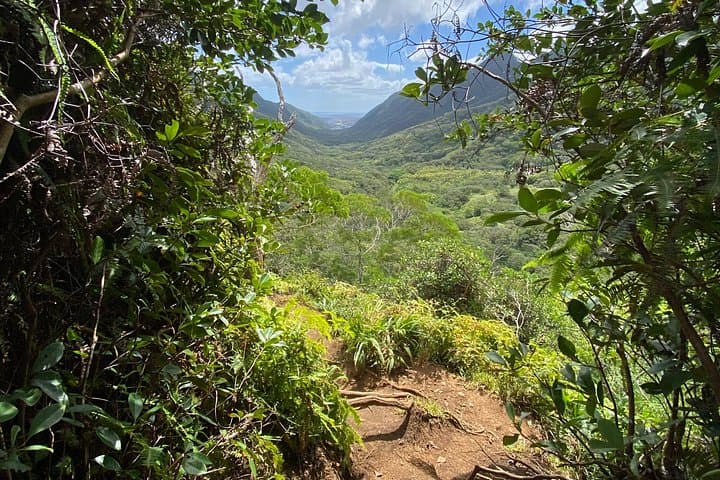
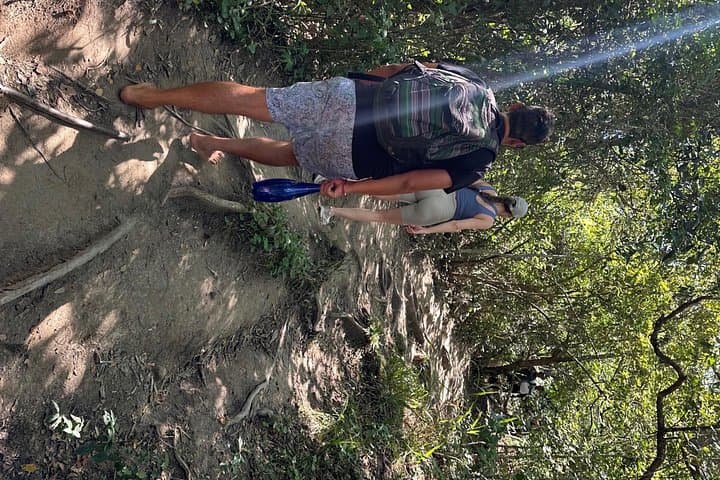
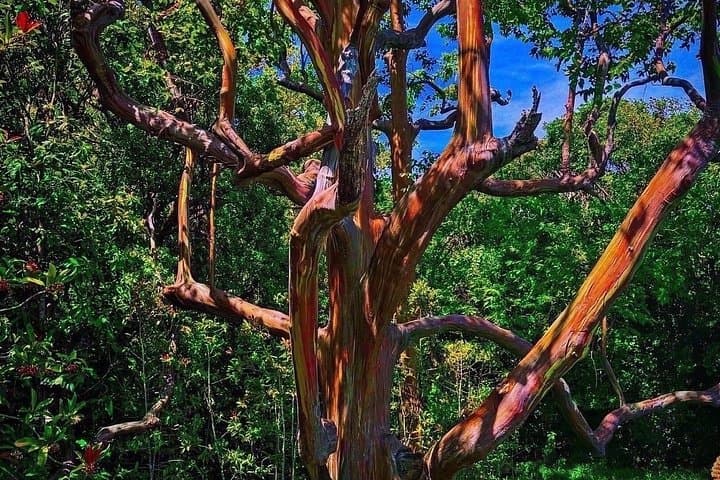

The air smells like wet earth and guava as the group gathers at the Costco parking lot in central Maui, a practical island starting point that belies the wild green world minutes away. The guide—part local, part storyteller—checks packs and maps, then leads four hikers down a narrow lane where the pavement gives up to root-strewn trail. Ferns lean in as if to watch you pass; a stream ahead dares you to slow down and listen.
The air smells like wet earth and guava as the group gathers at the Costco parking lot in central Maui, a practical island starting point that belies the wild green world minutes away. The guide—part local, part storyteller—checks packs and maps, then leads four hikers down a narrow lane where the pavement gives up to root-strewn trail. Ferns lean in as if to watch you pass; a stream ahead dares you to slow down and listen.
This tour trades postcard panoramas for quieter intimacy: shaded rainforest corridors, short climbs to lookout benches, and the steady drum of waterfalls that have carved the island’s story out of lava and rain. Maui’s ridgelines are young by geological standards—remnants of shield volcanoes and later erosion that produced steep gulches and pocketed valleys. Ancient Hawaiian settlers read these contours for freshwater and shelter; today’s hikers follow those same waterlines to hidden pools and viewpoints. The guide peppers the walk with local lore—names, ahupuaʻa land divisions, and practical hints about respect for wahi kapu (sacred sites).
Expect variety: moss-slick rock underfoot on shaded approaches, muddy switchbacks where rainfall funnels from the upper slopes, and sudden openings that prize you with ocean glimpses. Wildlife is subtle but present—native songbirds flit through ʻōhiʻa branches and coqui frogs may add evening punctuation. Snacks and water are carried in small group packs; the pace is deliberately human—steady enough for a good workout, unhurried enough to notice spiderwebs glittering like nets of light.
Practical edge: the tour is roughly three hours, designed for small groups (max four), and tailored to a moderate fitness level. Trails range from 2–5 miles round-trip depending on route choice and include short, steep sections with 200–600 feet of elevation gain. Footwear with traction and gaiters are helpful after rain. Since Maui’s climate shifts fast, layers and a light rain shell make the difference between chilled and comfortable.
Timing matters—early starts avoid heat and afternoon shower cells, and late afternoon brings softer light for photos but more mosquitoes near water. The guide offers local insights on where to cool off responsibly, how to respect private property and culturally significant areas, and tips for minimizing footprint: stick to trail tread, pack out all trash, and leave rocks and plants where you find them.
For travelers who want an alternative to crowded summit drives and busier coastal trails, this small-group hike delivers real terrain, real stories, and a rhythm set by moving through the island’s living geology. It’s not a race; it’s a walking conversation with Maui itself.