THE ADVENTURE COLLECTIVE® · Independent discovery and booking for outdoor travel

Trace the Commonwealth’s role in the Battle of the Somme on a full-day guided tour from Amiens. Small groups, battlefield stops, and expert local narration bring the sites—and the stories—sharply into focus.
Trace the Commonwealth’s role in the Battle of the Somme on a full-day guided tour from Amiens. Small groups, battlefield stops, and expert local narration bring the sites—and the stories—sharply into focus.
A low sun slices across a field of grass and stone as the minivan turns off the D929—the landscape opens into the scarred geometry of trenches, craters, and weathered memorials. Visitors step down from a compact Ford Galaxy into a quiet that feels deliberate; only the guide’s voice and distant skylarks fill the air. The day moves in short walks between sites: an underground museum, the rim of Lochnagar Crater, and memorials marking where entire divisions advanced and faltered.
Verified experiences and guided adventures in the surrounding area.
Operated by WW1 Battlefields guided tours: Brigitte De Cuyper from Get a Guide · Albert, Hauts-de-France
A low sun slices across a field of grass and stone as the minivan turns off the D929—the landscape opens into the scarred geometry of trenches, craters, and weathered memorials. Visitors step down from a compact Ford Galaxy into a quiet that feels deliberate; only the guide’s voice and distant skylarks fill the air. The day moves in short walks between sites: an underground museum, the rim of Lochnagar Crater, and memorials marking where entire divisions advanced and faltered.
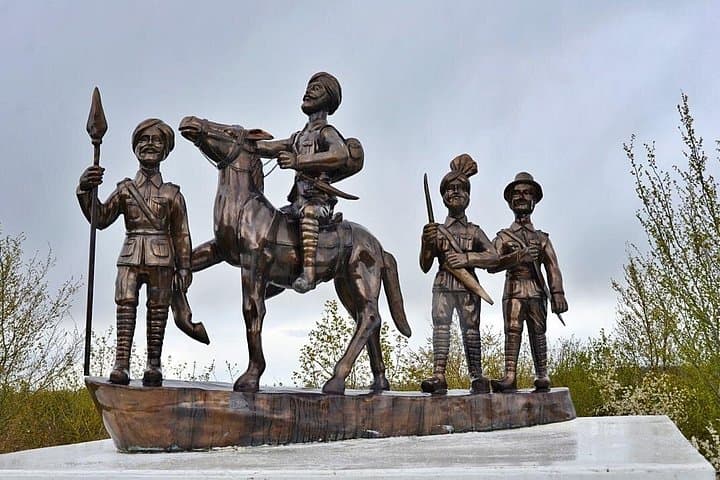
The Somme is both geology and history: chalk ridges and clay fields shaped the tactics of 1916, while villages, once shattered, now sit amid hedgerows that hide trenches and shell-holes. The tour threads the British Empire’s diverse contributions into place—New Zealand, India, Canada, South Africa—using cemeteries and memorials to explain complex wartime ties and local memory. Guides draw on archival maps and personal stories to translate names on stone into human action.
Practically, this is a full-day, moderate-paced cultural walk and driving tour. Expect uneven ground, short uphill approaches to monuments, and several 10–60 minute stops with opportunities for reflective pauses and photography. Wear sturdy footwear, bring windproof layers and a refillable water bottle; weather can shift quickly on the plateau. The small group size (max four) means time for questions and a measured, respectful visit to sensitive sites. For travelers who want to combine landscape reading with history, this tour gives context, proximity, and a quiet route through one of the First World War’s most consequential battlefields.
The tour involves several short walks on uneven ground and stairs into museum spaces; a moderate fitness level is recommended but no technical skills are required.
Yes—the tour departs from the Amiens area in a comfortable seven-seater vehicle and includes on-route driving between sites.
Lunch is planned at a local brasserie with a small wartime museum; food is not included by default—check booking details for inclusions or dietary requests.
Photography is allowed, but visitors should be discreet and respectful; avoid photographing mourners and follow any on-site restrictions.
WW1 Battlefields guided tours: Brigitte De Cuyper from Get a Guide operates guided outdoor trips and adventures with an emphasis on safety, stewardship, and memorable experiences.

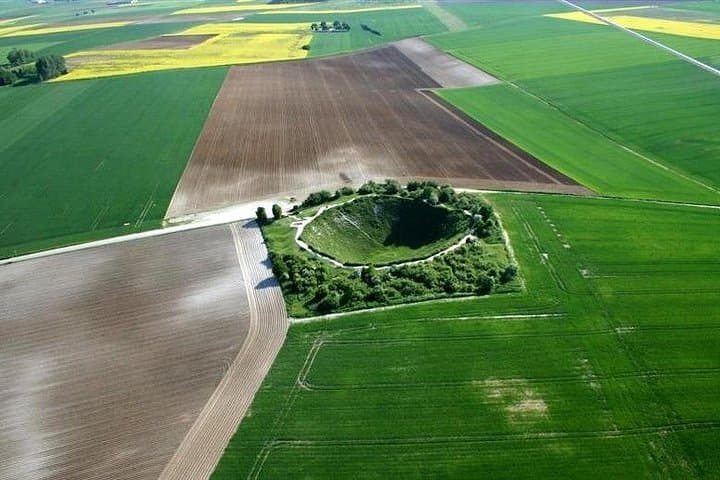
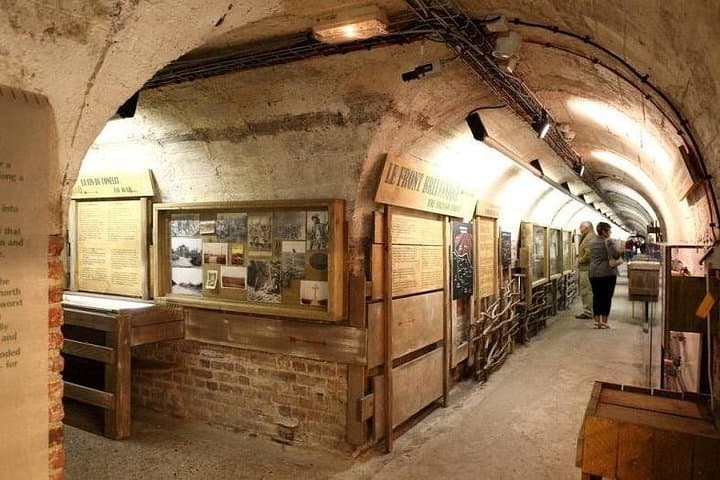
A low sun slices across a field of grass and stone as the minivan turns off the D929—the landscape opens into the scarred geometry of trenches, craters, and weathered memorials. Visitors step down from a compact Ford Galaxy into a quiet that feels deliberate; only the guide’s voice and distant skylarks fill the air. The day moves in short walks between sites: an underground museum, the rim of Lochnagar Crater, and memorials marking where entire divisions advanced and faltered.
A low sun slices across a field of grass and stone as the minivan turns off the D929—the landscape opens into the scarred geometry of trenches, craters, and weathered memorials. Visitors step down from a compact Ford Galaxy into a quiet that feels deliberate; only the guide’s voice and distant skylarks fill the air. The day moves in short walks between sites: an underground museum, the rim of Lochnagar Crater, and memorials marking where entire divisions advanced and faltered.
The Somme is both geology and history: chalk ridges and clay fields shaped the tactics of 1916, while villages, once shattered, now sit amid hedgerows that hide trenches and shell-holes. The tour threads the British Empire’s diverse contributions into place—New Zealand, India, Canada, South Africa—using cemeteries and memorials to explain complex wartime ties and local memory. Guides draw on archival maps and personal stories to translate names on stone into human action.
Practically, this is a full-day, moderate-paced cultural walk and driving tour. Expect uneven ground, short uphill approaches to monuments, and several 10–60 minute stops with opportunities for reflective pauses and photography. Wear sturdy footwear, bring windproof layers and a refillable water bottle; weather can shift quickly on the plateau. The small group size (max four) means time for questions and a measured, respectful visit to sensitive sites. For travelers who want to combine landscape reading with history, this tour gives context, proximity, and a quiet route through one of the First World War’s most consequential battlefields.