THE ADVENTURE COLLECTIVE® · Independent discovery and booking for outdoor travel

Walk the painted stairs and outdoor escalators of Commune 13 to see how Medellín transformed violence into public art and renewed civic life. This six-hour tour combines history, memorials, metro culture and panoramic viewpoints for a grounded look at urban resilience.
Walk the painted stairs and outdoor escalators of Commune 13 to see how Medellín transformed violence into public art and renewed civic life. This six-hour tour combines history, memorials, metro culture and panoramic viewpoints for a grounded look at urban resilience.
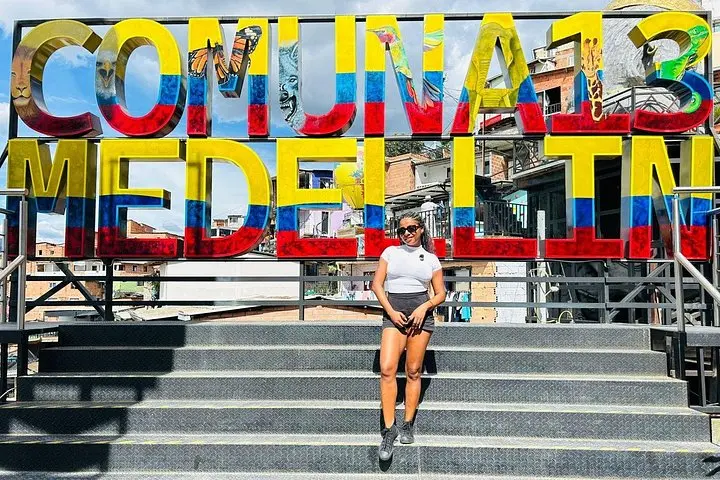
You step off the Metro and the city changes pitch—concrete stairs and outdoor escalators climb a dense slope of painted buildings, the hum of conversation and distant music threading through alleyways.
Verified experiences and guided adventures in the surrounding area.
Operated by Unique Travel Colombia · Medellín, Antioquia
You step off the Metro and the city changes pitch—concrete stairs and outdoor escalators climb a dense slope of painted buildings, the hum of conversation and distant music threading through alleyways.
This guided day tour follows those stairways and murals into Medellín’s recent past: a place once marked by narco-terrorism and displacement that has become an open-air gallery and social experiment. The route stops at the Monaco memorial—built on the site of a notorious residence—and moves through San Javier and the labyrinth of Commune 13, where escalators and community projects physically and symbolically reconnect neighborhoods to the Aburrá Valley below.
Geologically you’re walking mid-elevation Andean slopes carved into terraces and urban blocks; the city’s layout stacks views of the valley and the distant central peaks. Culturally the area is defined by public art, resident-led initiatives and events like the Feria de las Flores that celebrate Antioquian identity. The tour commonly includes Pueblito Paisa on Cerro Nutibara for a compact look at regional architecture and panoramic cityscapes.
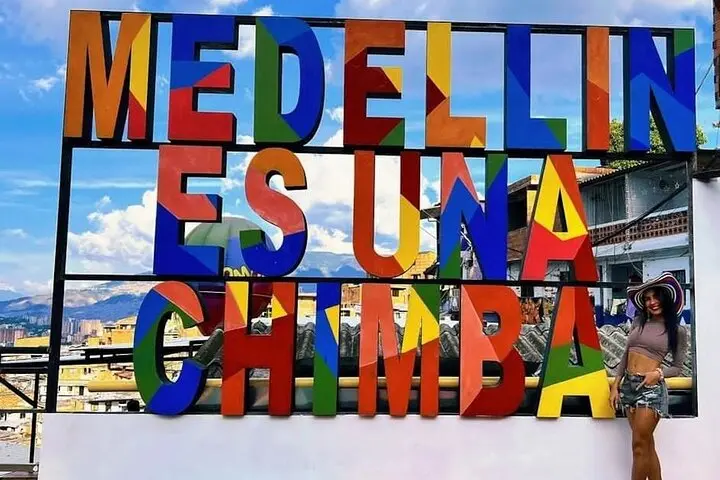
Practical notes: plan for roughly six hours with transfers, moderate walking and frequent steps—comfortable shoes matter more than peak fitness. Bring water, sun protection and small local currency for snacks or souvenirs; photography is welcome but ask before shooting portraits. Mornings are cooler and less crowded; the Metro is efficient for getting to and from the west side. Respect murals as community narratives—listen to guides, stay on designated paths, and expect a mix of history, art and real urban resilience on a single route.
The tour runs about six hours including transfers between highlights and time at Pueblito Paisa and the Monaco memorial.
Yes—it's rated as easy, but the route includes many stairs; guides can adjust pace and there are outdoor escalators in parts of Commune 13.
According to the listing, entrance fees and lunch are included; bring small cash for extra purchases like souvenirs or ice cream.
Yes—the Medellín Metro and Metrocable are convenient; operators often meet at central stations and transfers are integrated into the itinerary.
Unique Travel Colombia operates guided outdoor trips and adventures with an emphasis on safety, stewardship, and memorable experiences.

You step off the Metro and the city changes pitch—concrete stairs and outdoor escalators climb a dense slope of painted buildings, the hum of conversation and distant music threading through alleyways.
You step off the Metro and the city changes pitch—concrete stairs and outdoor escalators climb a dense slope of painted buildings, the hum of conversation and distant music threading through alleyways.
This guided day tour follows those stairways and murals into Medellín’s recent past: a place once marked by narco-terrorism and displacement that has become an open-air gallery and social experiment. The route stops at the Monaco memorial—built on the site of a notorious residence—and moves through San Javier and the labyrinth of Commune 13, where escalators and community projects physically and symbolically reconnect neighborhoods to the Aburrá Valley below.
Geologically you’re walking mid-elevation Andean slopes carved into terraces and urban blocks; the city’s layout stacks views of the valley and the distant central peaks. Culturally the area is defined by public art, resident-led initiatives and events like the Feria de las Flores that celebrate Antioquian identity. The tour commonly includes Pueblito Paisa on Cerro Nutibara for a compact look at regional architecture and panoramic cityscapes.
Practical notes: plan for roughly six hours with transfers, moderate walking and frequent steps—comfortable shoes matter more than peak fitness. Bring water, sun protection and small local currency for snacks or souvenirs; photography is welcome but ask before shooting portraits. Mornings are cooler and less crowded; the Metro is efficient for getting to and from the west side. Respect murals as community narratives—listen to guides, stay on designated paths, and expect a mix of history, art and real urban resilience on a single route.