THE ADVENTURE COLLECTIVE® · Independent discovery and booking for outdoor travel

Trace Rwanda’s recent history in Kigali, share classroom time in local schools, and follow coffee from cherry to cup on a three‑day community tour. This itinerary combines cultural visits, museum context, and a hands‑on coffee experience with local guides.
Trace Rwanda’s recent history in Kigali, share classroom time in local schools, and follow coffee from cherry to cup on a three‑day community tour. This itinerary combines cultural visits, museum context, and a hands‑on coffee experience with local guides.
The morning air over Kigali is bright and direct, the city streets already animated with motorbike taxis and milk bars serving steaming cups. On this three-day route travelers move from urban neighborhoods to village lanes, passing terraced hills where tea and coffee plants lean into the slope and small markets hum with bargaining.
Verified experiences and guided adventures in the surrounding area.
Operated by African Travellers Ltd · Kigali, Kigali
The morning air over Kigali is bright and direct, the city streets already animated with motorbike taxis and milk bars serving steaming cups. On this three-day route travelers move from urban neighborhoods to village lanes, passing terraced hills where tea and coffee plants lean into the slope and small markets hum with bargaining.
Day one centers on community connections: visits to local schools and conversation with teachers that illuminate contemporary Rwandan life and priorities. Day two opens into the city’s difficult recent past with a guided visit to the Kigali Genocide Memorial and the Camp Kigali site, providing context to the nation’s century-old history while explaining post‑1994 reconciliation efforts. The third day turns south toward museums and a coffee cooperative—walk the wet mill, learn about processing and cupping, and taste coffee that carries the acidity of high‑altitude beans grown between 1,200–1,800 m.
Geologically, Rwanda’s highlands are young volcanic uplands; soils are deep and fertile, which helps explain the prominence of tea and coffee in local culture and economy. Cultural exchange is intentional: village tours are led by local guides and proceeds support community projects.
Practical guidance: carry a lightweight rain jacket, modest clothing for memorials and schools, and small cash for market purchases. Expect moderate walking on paved and dirt surfaces, basic facilities at some sites, and full‑day drives between regions. Bring a reusable water bottle, wear comfortable walking shoes, and plan for early starts to avoid midday heat and traffic. This itinerary blends history, hospitality, and the hands‑on craft of Rwandan coffee—good preparation makes the experience straightforward and rewarding.
No — the tour price excludes accommodation; travelers should book lodging in Kigali or the regional town where they plan to stay.
This itinerary is rated easy: most activity is short, guided walks and site visits, suitable for a wide range of fitness levels.
Guides typically speak English and Kinyarwanda; French is also commonly available—confirm language preference when booking.
Lunches are included for each day per the itinerary; bring snacks for between stops and note any dietary restrictions at booking.
African Travellers Ltd operates guided outdoor trips and adventures with an emphasis on safety, stewardship, and memorable experiences.
The morning air over Kigali is bright and direct, the city streets already animated with motorbike taxis and milk bars serving steaming cups. On this three-day route travelers move from urban neighborhoods to village lanes, passing terraced hills where tea and coffee plants lean into the slope and small markets hum with bargaining.
The morning air over Kigali is bright and direct, the city streets already animated with motorbike taxis and milk bars serving steaming cups. On this three-day route travelers move from urban neighborhoods to village lanes, passing terraced hills where tea and coffee plants lean into the slope and small markets hum with bargaining.
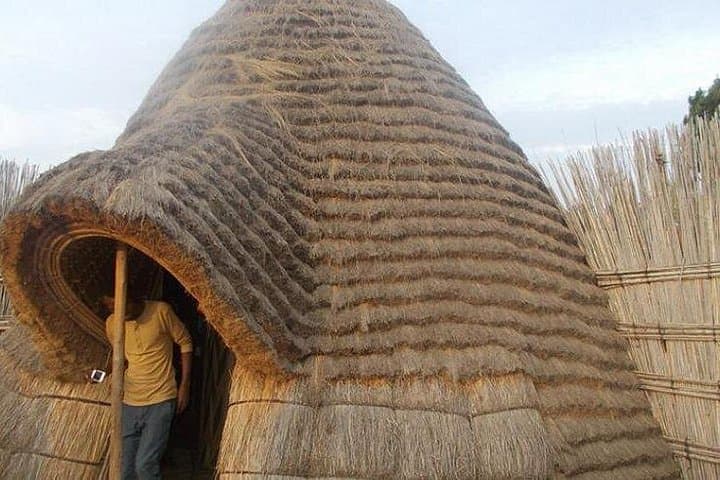
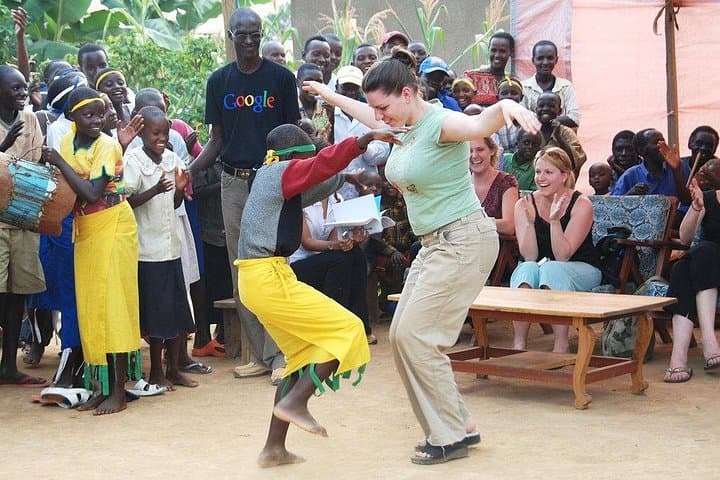
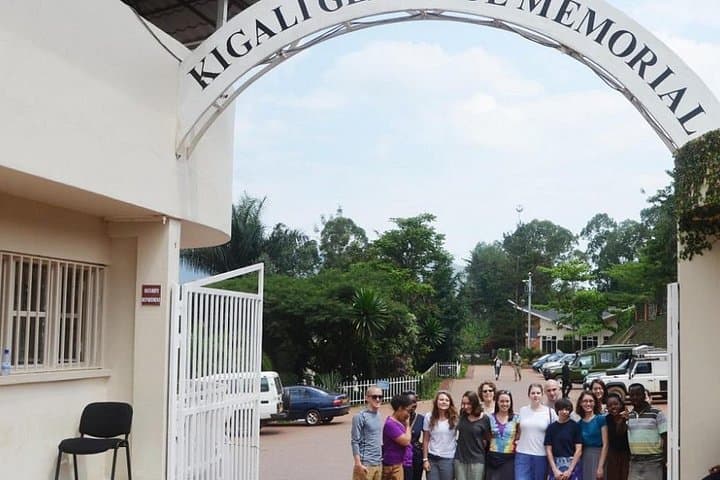
Day one centers on community connections: visits to local schools and conversation with teachers that illuminate contemporary Rwandan life and priorities. Day two opens into the city’s difficult recent past with a guided visit to the Kigali Genocide Memorial and the Camp Kigali site, providing context to the nation’s century-old history while explaining post‑1994 reconciliation efforts. The third day turns south toward museums and a coffee cooperative—walk the wet mill, learn about processing and cupping, and taste coffee that carries the acidity of high‑altitude beans grown between 1,200–1,800 m.
Geologically, Rwanda’s highlands are young volcanic uplands; soils are deep and fertile, which helps explain the prominence of tea and coffee in local culture and economy. Cultural exchange is intentional: village tours are led by local guides and proceeds support community projects.
Practical guidance: carry a lightweight rain jacket, modest clothing for memorials and schools, and small cash for market purchases. Expect moderate walking on paved and dirt surfaces, basic facilities at some sites, and full‑day drives between regions. Bring a reusable water bottle, wear comfortable walking shoes, and plan for early starts to avoid midday heat and traffic. This itinerary blends history, hospitality, and the hands‑on craft of Rwandan coffee—good preparation makes the experience straightforward and rewarding.