THE ADVENTURE COLLECTIVE® · Independent discovery and booking for outdoor travel

A guided 13-day loop from Delhi to the Taj and deep into Rajasthan’s desert and royal cities, blending Mughal monuments, fortified palaces and a night under Jaisalmer’s sand dunes. Ideal for travelers seeking cultural depth with practical, day-by-day logistics.
A guided 13-day loop from Delhi to the Taj and deep into Rajasthan’s desert and royal cities, blending Mughal monuments, fortified palaces and a night under Jaisalmer’s sand dunes. Ideal for travelers seeking cultural depth with practical, day-by-day logistics.
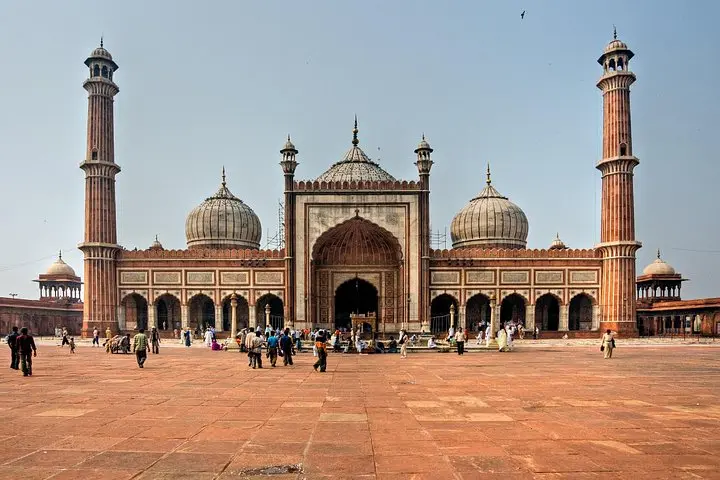
Morning light in Old Delhi pushes across red sandstone facades and the air fills with cardamom smoke, honking rickshaws and the rattle of market life. Over thirteen days this guided loop moves from imperial Mughal monuments to wind-sculpted dunes, giving travelers a steady pulse of India’s northwestern plains and the Thar Desert.
Verified experiences and guided adventures in the surrounding area.
Operated by Jee Tours · New Delhi, Delhi
Morning light in Old Delhi pushes across red sandstone facades and the air fills with cardamom smoke, honking rickshaws and the rattle of market life. Over thirteen days this guided loop moves from imperial Mughal monuments to wind-sculpted dunes, giving travelers a steady pulse of India’s northwestern plains and the Thar Desert.
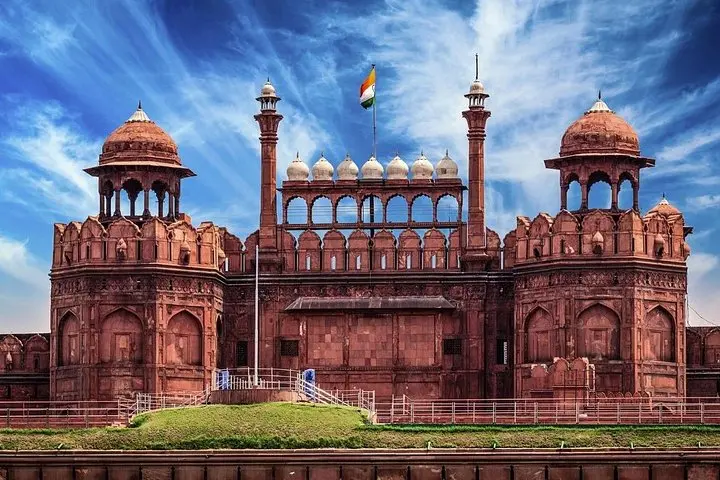
The route traces layers of history: Shah Jahan’s Red Fort and the Taj Mahal speak Mughal mastery in marble and symmetry; Amber and Mehrangarh forts show Rajput defensive art high above laterite and sandstone ridges. Geologically the trip crosses the alluvial plains around Delhi and Agra into arid, wind-worked sand of Jaisalmer — the desert here still shifts overnight, remaking horizons and challenging the sun.
Culture is prominent and immediate: bazaars in Chandni Chowk and Johari Bazaar trade spices, jewelry and textiles; Bishnoi villages north of Jodhpur offer living traditions and a community-led approach to wildlife protection. Evenings in desert camps bring folk music, camel silhouettes and a chance to watch a sun that seems to roll away like a slow tide.
Practicalities: expect long transfers by private A/C vehicle, short guided walks inside forts and markets, a flight leg to Jaisalmer and one optional boat cruise on Lake Pichola. Modest dress is required at temples; carry cash for small purchases and an audio guide fee at Ranakpur. Plan for hot afternoons in summer, cool nights in winter, and early starts to avoid traffic. Hydrate, wear sturdy walking shoes, and let the guide handle local permits so you can focus on the architecture, the dunes and the daily rhythms of Rajasthan.
Most international visitors require an Indian visa obtained before arrival; check your country’s e-visa eligibility and apply in advance.
Some entry tickets are included if the option is selected; a professional local guide and private A/C transport are provided per the tour inclusions.
Desert camps typically offer basic but comfortable tents, mattresses and meals; expect simple amenities and cooler nights, especially outside summer months.
Yes—local operators usually can manage vegetarian and common dietary restrictions if advised during booking via the special requirements field.
Jee Tours operates guided outdoor trips and adventures with an emphasis on safety, stewardship, and memorable experiences.
Morning light in Old Delhi pushes across red sandstone facades and the air fills with cardamom smoke, honking rickshaws and the rattle of market life. Over thirteen days this guided loop moves from imperial Mughal monuments to wind-sculpted dunes, giving travelers a steady pulse of India’s northwestern plains and the Thar Desert.
Morning light in Old Delhi pushes across red sandstone facades and the air fills with cardamom smoke, honking rickshaws and the rattle of market life. Over thirteen days this guided loop moves from imperial Mughal monuments to wind-sculpted dunes, giving travelers a steady pulse of India’s northwestern plains and the Thar Desert.
The route traces layers of history: Shah Jahan’s Red Fort and the Taj Mahal speak Mughal mastery in marble and symmetry; Amber and Mehrangarh forts show Rajput defensive art high above laterite and sandstone ridges. Geologically the trip crosses the alluvial plains around Delhi and Agra into arid, wind-worked sand of Jaisalmer — the desert here still shifts overnight, remaking horizons and challenging the sun.
Culture is prominent and immediate: bazaars in Chandni Chowk and Johari Bazaar trade spices, jewelry and textiles; Bishnoi villages north of Jodhpur offer living traditions and a community-led approach to wildlife protection. Evenings in desert camps bring folk music, camel silhouettes and a chance to watch a sun that seems to roll away like a slow tide.
Practicalities: expect long transfers by private A/C vehicle, short guided walks inside forts and markets, a flight leg to Jaisalmer and one optional boat cruise on Lake Pichola. Modest dress is required at temples; carry cash for small purchases and an audio guide fee at Ranakpur. Plan for hot afternoons in summer, cool nights in winter, and early starts to avoid traffic. Hydrate, wear sturdy walking shoes, and let the guide handle local permits so you can focus on the architecture, the dunes and the daily rhythms of Rajasthan.