THE ADVENTURE COLLECTIVE® · Independent discovery and booking for outdoor travel

See Porto’s top sites in three hours: from Clérigos and São Bento to the Douro waterfront and Foz. This guided, private circuit mixes architectural highlights, riverfront views, and local tips to help you make the most of a single morning or afternoon in the city.
See Porto’s top sites in three hours: from Clérigos and São Bento to the Douro waterfront and Foz. This guided, private circuit mixes architectural highlights, riverfront views, and local tips to help you make the most of a single morning or afternoon in the city.
You step out under the shadow of the Clérigos Tower, cobblestones humming underfoot and the river’s salt air headed your way. In three hours a guide threads you through Porto’s neighborhoods—Aliados’ broad boulevard, São Bento’s azulejo-clad halls, the cathedral’s medieval terraces—each turn revealing a different face of the city where the Douro leans toward the Atlantic.
Verified experiences and guided adventures in the surrounding area.
Operated by Porto Eco Tours · Porto, Porto
You step out under the shadow of the Clérigos Tower, cobblestones humming underfoot and the river’s salt air headed your way. In three hours a guide threads you through Porto’s neighborhoods—Aliados’ broad boulevard, São Bento’s azulejo-clad halls, the cathedral’s medieval terraces—each turn revealing a different face of the city where the Douro leans toward the Atlantic.
Porto’s layered history is visible in stone: Romanesque buttresses, Baroque towers by Nicolau Nasoni, and early-20th-century cafés that chart the city’s trading past. Geology slides into view at the riverfront—granite steps worn smooth by centuries of traffic and tides—and the Vila Nova de Gaia quays remind you why Port wine cellars lined this shore.
Culturally, Porto balances working harbors with lively squares where fado and cafe conversation continue to shape daily life. Local insights from your guide typically include shortcuts through Batalha’s alleyways, a stop at Café Majestic for an architectural breath, and a viewpoint at Santa Catarina where sunset paints the Douro estuary.
Practical guidance: wear comfortable walking shoes—streets are uneven, and there are stairs. Bring a light rain layer in shoulder seasons and a bottle of water; the pace is steady but continuous. Tours are private and start near central landmarks—arrive 10 minutes early to orient yourself. If you want photographs of the Ribeira or the bridge reflections, request extra time at the Santa Catarina viewpoint; light shifts quickly over the river.
This three-hour circuit is an efficient primer on Porto’s urban character: compact, scenic, and rooted in maritime trade and local craftsmanship.
Meet near the Clérigos Tower/ Avenida dos Aliados area; exact meeting point is provided at booking—arrive 10 minutes early.
Yes—strollers can be used on many streets, but expect steps and uneven pavement in some sections; infants may need to be carried for short stair passages.
No—this walking tour highlights exteriors and viewpoints; museum or tower entrances are typically not included unless specified.
Expect steady walking for the full three hours, with occasional stops; total distance is roughly 4–5 km depending on routing and viewpoints.
Porto Eco Tours operates guided outdoor trips and adventures with an emphasis on safety, stewardship, and memorable experiences.
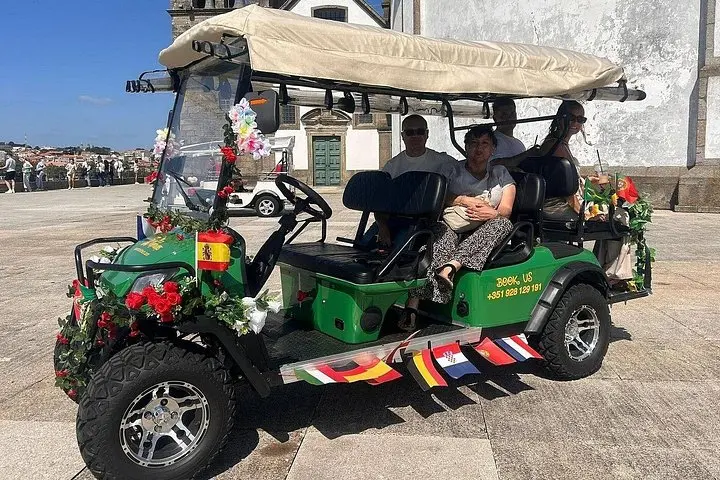
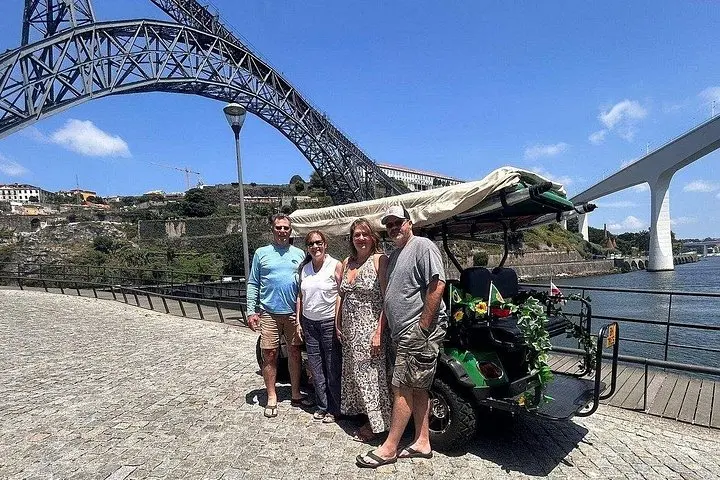
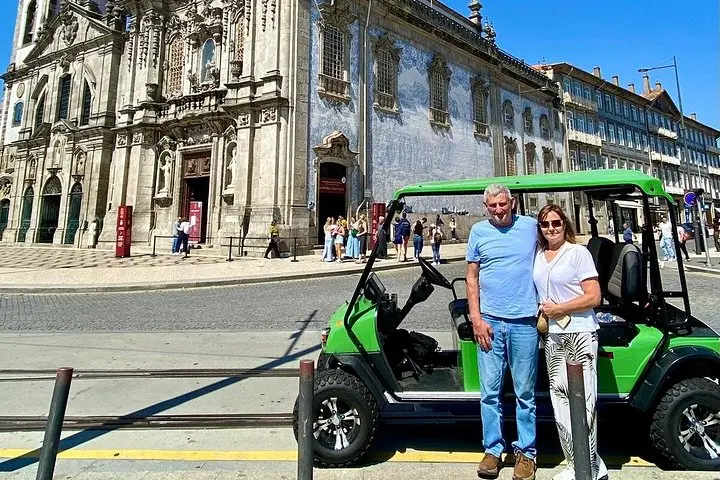
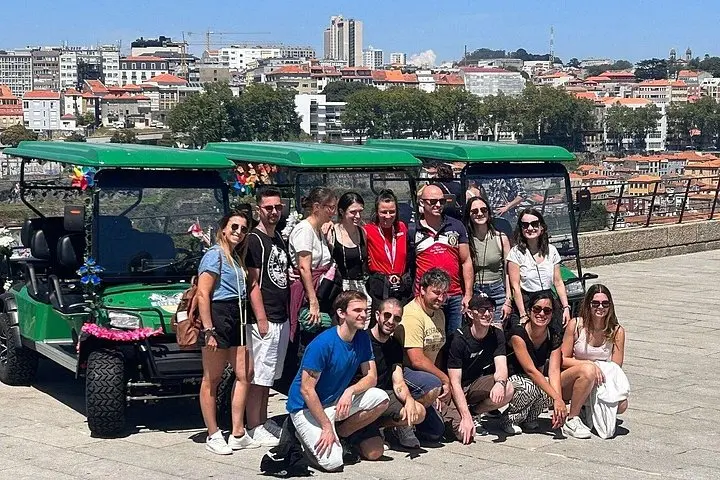
You step out under the shadow of the Clérigos Tower, cobblestones humming underfoot and the river’s salt air headed your way. In three hours a guide threads you through Porto’s neighborhoods—Aliados’ broad boulevard, São Bento’s azulejo-clad halls, the cathedral’s medieval terraces—each turn revealing a different face of the city where the Douro leans toward the Atlantic.
You step out under the shadow of the Clérigos Tower, cobblestones humming underfoot and the river’s salt air headed your way. In three hours a guide threads you through Porto’s neighborhoods—Aliados’ broad boulevard, São Bento’s azulejo-clad halls, the cathedral’s medieval terraces—each turn revealing a different face of the city where the Douro leans toward the Atlantic.
Porto’s layered history is visible in stone: Romanesque buttresses, Baroque towers by Nicolau Nasoni, and early-20th-century cafés that chart the city’s trading past. Geology slides into view at the riverfront—granite steps worn smooth by centuries of traffic and tides—and the Vila Nova de Gaia quays remind you why Port wine cellars lined this shore.
Culturally, Porto balances working harbors with lively squares where fado and cafe conversation continue to shape daily life. Local insights from your guide typically include shortcuts through Batalha’s alleyways, a stop at Café Majestic for an architectural breath, and a viewpoint at Santa Catarina where sunset paints the Douro estuary.
Practical guidance: wear comfortable walking shoes—streets are uneven, and there are stairs. Bring a light rain layer in shoulder seasons and a bottle of water; the pace is steady but continuous. Tours are private and start near central landmarks—arrive 10 minutes early to orient yourself. If you want photographs of the Ribeira or the bridge reflections, request extra time at the Santa Catarina viewpoint; light shifts quickly over the river.
This three-hour circuit is an efficient primer on Porto’s urban character: compact, scenic, and rooted in maritime trade and local craftsmanship.