THE ADVENTURE COLLECTIVE® · Independent discovery and booking for outdoor travel

Trek Rinjani in 3–4 days to reach the summit, both crater rims and Segara Anak lake, finishing with a hot-spring soak. This guided route moves from Sembalun to Senaru across pumice slopes, alpine grasslands and volcanic ridgelines.
Trek Rinjani in 3–4 days to reach the summit, both crater rims and Segara Anak lake, finishing with a hot-spring soak. This guided route moves from Sembalun to Senaru across pumice slopes, alpine grasslands and volcanic ridgelines.
You stand on a knife-edge of volcanic rock as the sun pulls color across the caldera — wind pushing hard, the rim beneath your boots still warm from the mountain's heartbeat. Mount Rinjani's slopes open in tiers: grassy Sembalun meadows, black pumice that tests every step, and the sheltered blue of Segara Anak Lake ringing the inner crater.
Verified experiences and guided adventures in the surrounding area.
Operated by L.A Rinjani · Senaru, West Nusa Tenggara
You stand on a knife-edge of volcanic rock as the sun pulls color across the caldera — wind pushing hard, the rim beneath your boots still warm from the mountain's heartbeat. Mount Rinjani's slopes open in tiers: grassy Sembalun meadows, black pumice that tests every step, and the sheltered blue of Segara Anak Lake ringing the inner crater.
Geology here is bold and direct. Rinjani is a stratovolcano whose caldera formed in a violent eruption centuries ago; the lake and the steaming hot springs in the crater are active reminders of that power. The mountain is also central to Sasak culture, where local communities treat Segara Anak as sacred and manage access through park permits.
This guided 3–4 day trekking itinerary typically starts in Sembalun and finishes in Senaru, reaching the summit (Puncak Anak Dara or the higher rim depending on route), both crater rims, Segara Anak Lake, and a soak in a natural hot spring. Expect sustained climbs, steep pumice slopes, rocky ridgelines and multi-day camping; guides and porters are standard and park fees apply.
Practical edge: aim for the dry season (June–September) for the firmest trails and clearest summit views. Bring a layered system for cold summit mornings, break long ascents into steady intervals, hydrate early and often, and use trekking poles for the loose pumice. Permit, guide and porter logistics are handled by operators, but fit, acclimatization and conservative pacing determine whether you summit. Leave no trace — campsites on the rim are fragile and carry weight in this high‑altitude ecosystem.
Yes — permits require park-registered guides; porters are highly recommended to carry group camping gear and reduce strain for summit attempts.
Summit day involves pre-dawn starts, steep pumice sections and prolonged elevation gain; expect 8–12 hours round trip depending on pace and route.
Rinjani National Park charges entrance and camping fees; most operators include these in the package but confirm before booking.
The dry season (June–September) offers the most reliable weather and clearer summit visibility; wet-season trekking is possible but more hazardous.
L.A Rinjani operates guided outdoor trips and adventures with an emphasis on safety, stewardship, and memorable experiences.
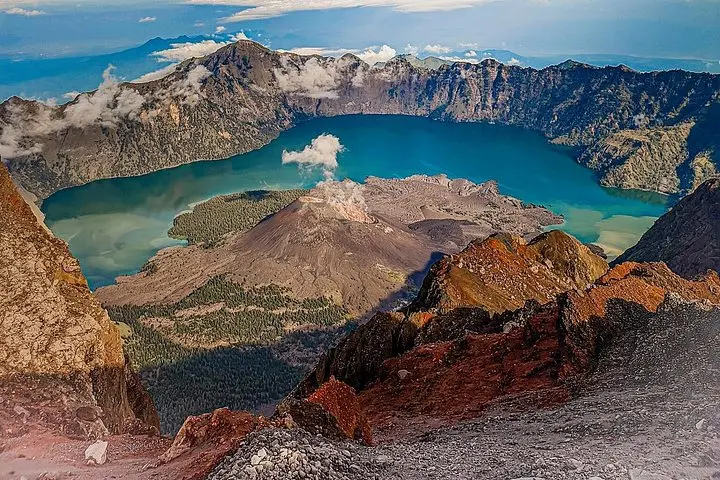
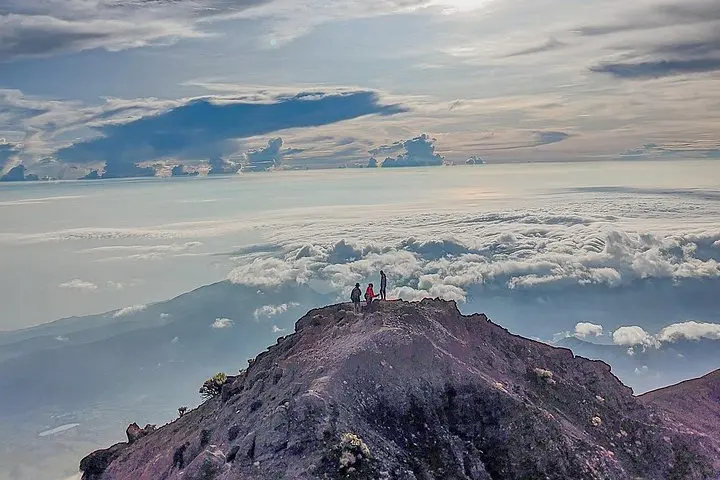
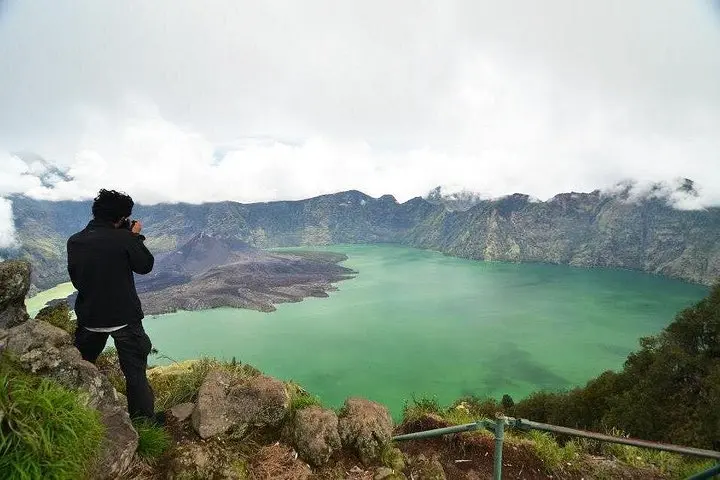
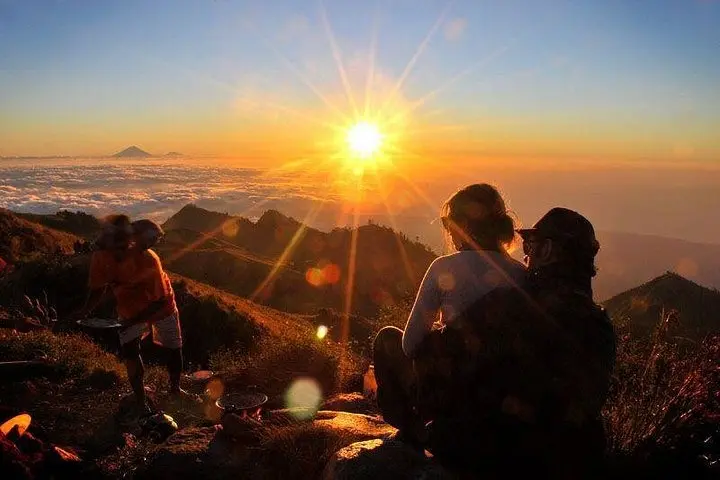
You stand on a knife-edge of volcanic rock as the sun pulls color across the caldera — wind pushing hard, the rim beneath your boots still warm from the mountain's heartbeat. Mount Rinjani's slopes open in tiers: grassy Sembalun meadows, black pumice that tests every step, and the sheltered blue of Segara Anak Lake ringing the inner crater.
You stand on a knife-edge of volcanic rock as the sun pulls color across the caldera — wind pushing hard, the rim beneath your boots still warm from the mountain's heartbeat. Mount Rinjani's slopes open in tiers: grassy Sembalun meadows, black pumice that tests every step, and the sheltered blue of Segara Anak Lake ringing the inner crater.
Geology here is bold and direct. Rinjani is a stratovolcano whose caldera formed in a violent eruption centuries ago; the lake and the steaming hot springs in the crater are active reminders of that power. The mountain is also central to Sasak culture, where local communities treat Segara Anak as sacred and manage access through park permits.
This guided 3–4 day trekking itinerary typically starts in Sembalun and finishes in Senaru, reaching the summit (Puncak Anak Dara or the higher rim depending on route), both crater rims, Segara Anak Lake, and a soak in a natural hot spring. Expect sustained climbs, steep pumice slopes, rocky ridgelines and multi-day camping; guides and porters are standard and park fees apply.
Practical edge: aim for the dry season (June–September) for the firmest trails and clearest summit views. Bring a layered system for cold summit mornings, break long ascents into steady intervals, hydrate early and often, and use trekking poles for the loose pumice. Permit, guide and porter logistics are handled by operators, but fit, acclimatization and conservative pacing determine whether you summit. Leave no trace — campsites on the rim are fragile and carry weight in this high‑altitude ecosystem.