THE ADVENTURE COLLECTIVE® · Independent discovery and booking for outdoor travel

Cover Rio’s most iconic viewpoints in a single day—from the cable cars of Sugarloaf to the statue of Christ the Redeemer and the colorful Selarón Steps. This practical guide explains what you’ll see, how to plan, and what to pack for a six-to-seven-hour city-and-nature loop.
Cover Rio’s most iconic viewpoints in a single day—from the cable cars of Sugarloaf to the statue of Christ the Redeemer and the colorful Selarón Steps. This practical guide explains what you’ll see, how to plan, and what to pack for a six-to-seven-hour city-and-nature loop.
You step off a comfortable coach onto sun-warmed stone at the base of Sugarloaf’s cable car and the city opens like a map beneath you: beaches curving, green ridgelines pushing the skyline, and Guanabara Bay pulling the eye toward Niterói.
Verified experiences and guided adventures in the surrounding area.
Operated by Carioca Tropical Tour Operator · Rio de Janeiro, Rio de Janeiro
You step off a comfortable coach onto sun-warmed stone at the base of Sugarloaf’s cable car and the city opens like a map beneath you: beaches curving, green ridgelines pushing the skyline, and Guanabara Bay pulling the eye toward Niterói.
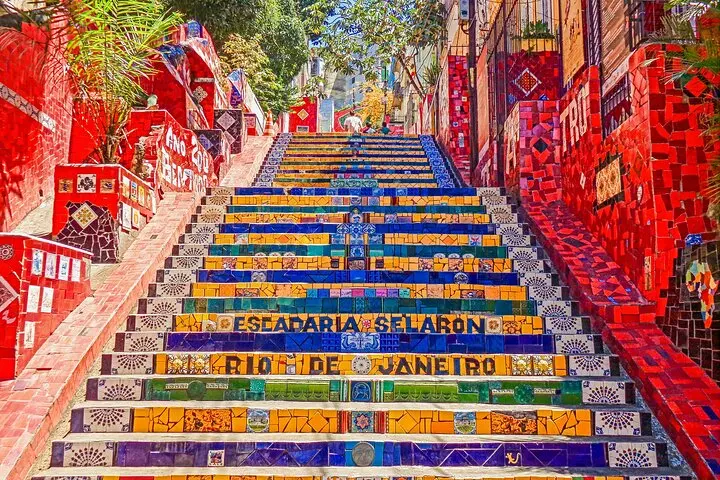
This full-day loop stitches together Rio’s visual highlights and cultural edges. Begin with two cable-car lifts to Sugarloaf (Pão de Açúcar), a granite dome 396 meters high with panoramic views of Copacabana, Ipanema and the Tijuca Massif. In downtown, the cone-shaped Metropolitan Cathedral registers modernist ambition; the Carioca Aqueduct and Lapa Arches mark colonial engineering that later carried the tram to Santa Teresa. The Selarón Steps are an improvised mosaic memoir from Chilean artist Jorge Selarón, while Corcovado’s Christ the Redeemer, set in reclaimed Tijuca Forest, crowns the route with a 38-meter statue and sweeping city vistas.
Geology is immediate here: granite headlands sculpted by wind and sea sit beside remnants of Atlantic Forest. Culturally, the tour moves through neighborhoods that shaped bossa nova, samba, and Brazil’s urban expansion.
Practical guidance: expect multiple short walks, stairs and viewpoint platforms—good mobility helps but no technical climbing is needed. Bring sun protection, a refillable water bottle and a compact rain shell; Rio’s weather can flip quickly. Allow the guide to handle tickets and transfers to save time; anticipate 6–7 hours on the road with hotel pickup in the south zone. If visibility is poor, Mirante Dona Marta offers a reliable backup view. Time your tour for morning light when coastal vistas are clearest and crowds thinner.
No—this full-day tour does not include a stop for lunch, so plan to bring snacks or budget for a quick meal in a stop with free time.
Some ticket options include the entrance fees; if you chose a tour without tickets, the guide will assist with on-site purchases—discounts may apply for students and children with ID.
Transportation and many pick-up/drop-off arrangements are wheelchair accessible, but some viewpoints and steps (e.g., platform areas) may limit full access—confirm specific needs with the operator in advance.
If Corcovado summit visibility is low, the guide typically redirects to Mirante Dona Marta for dependable views over the city and Sugarloaf.
Carioca Tropical Tour Operator operates guided outdoor trips and adventures with an emphasis on safety, stewardship, and memorable experiences.



You step off a comfortable coach onto sun-warmed stone at the base of Sugarloaf’s cable car and the city opens like a map beneath you: beaches curving, green ridgelines pushing the skyline, and Guanabara Bay pulling the eye toward Niterói.
You step off a comfortable coach onto sun-warmed stone at the base of Sugarloaf’s cable car and the city opens like a map beneath you: beaches curving, green ridgelines pushing the skyline, and Guanabara Bay pulling the eye toward Niterói.
This full-day loop stitches together Rio’s visual highlights and cultural edges. Begin with two cable-car lifts to Sugarloaf (Pão de Açúcar), a granite dome 396 meters high with panoramic views of Copacabana, Ipanema and the Tijuca Massif. In downtown, the cone-shaped Metropolitan Cathedral registers modernist ambition; the Carioca Aqueduct and Lapa Arches mark colonial engineering that later carried the tram to Santa Teresa. The Selarón Steps are an improvised mosaic memoir from Chilean artist Jorge Selarón, while Corcovado’s Christ the Redeemer, set in reclaimed Tijuca Forest, crowns the route with a 38-meter statue and sweeping city vistas.
Geology is immediate here: granite headlands sculpted by wind and sea sit beside remnants of Atlantic Forest. Culturally, the tour moves through neighborhoods that shaped bossa nova, samba, and Brazil’s urban expansion.
Practical guidance: expect multiple short walks, stairs and viewpoint platforms—good mobility helps but no technical climbing is needed. Bring sun protection, a refillable water bottle and a compact rain shell; Rio’s weather can flip quickly. Allow the guide to handle tickets and transfers to save time; anticipate 6–7 hours on the road with hotel pickup in the south zone. If visibility is poor, Mirante Dona Marta offers a reliable backup view. Time your tour for morning light when coastal vistas are clearest and crowds thinner.