THE ADVENTURE COLLECTIVE® · Independent discovery and booking for outdoor travel

Walk Medellín’s Comuna 13 to see bold murals and ride the city’s air cable and outdoor escalators. This three-hour tour traces the neighborhood’s difficult past and its dramatic community-led transformation.
Walk Medellín’s Comuna 13 to see bold murals and ride the city’s air cable and outdoor escalators. This three-hour tour traces the neighborhood’s difficult past and its dramatic community-led transformation.
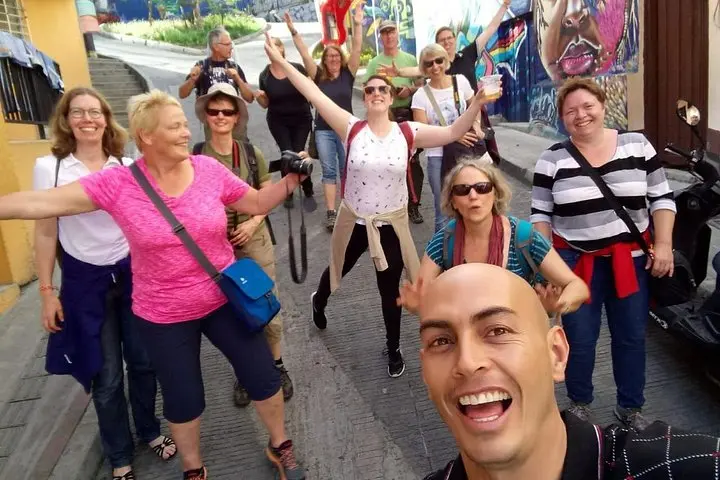
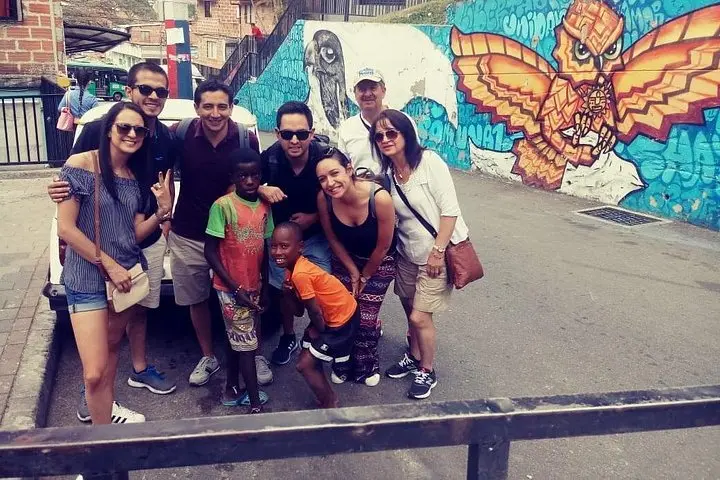
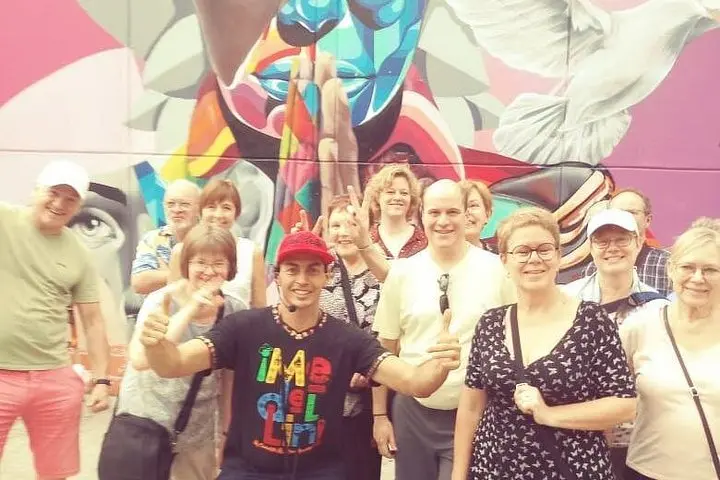
You step off the cable car and the hill answers with color—walls rise like pages, each mural a sentence in a neighborhood conversation. Narrow lanes climb steeply; the outdoor escalators thread through the slope and seem to push the city upward, carrying visitors past scenes of conflict and joy.
Verified experiences and guided adventures in the surrounding area.
Operated by Travel Medellín Guide · Medellín, Antioquia
You step off the cable car and the hill answers with color—walls rise like pages, each mural a sentence in a neighborhood conversation. Narrow lanes climb steeply; the outdoor escalators thread through the slope and seem to push the city upward, carrying visitors past scenes of conflict and joy.
Comuna 13 was once known for violent clashes tied to Colombia’s armed conflict. In the past two decades community-led art projects, public infrastructure (notably the escalators and Metrocable), and local entrepreneurship have reshaped how residents and visitors move through the steep Andean hillside. Geology here is immediate: streets cling to exposed slopes of the Aburrá Valley, so expect regular elevation change and stair-stepped blocks rather than flat plazas.
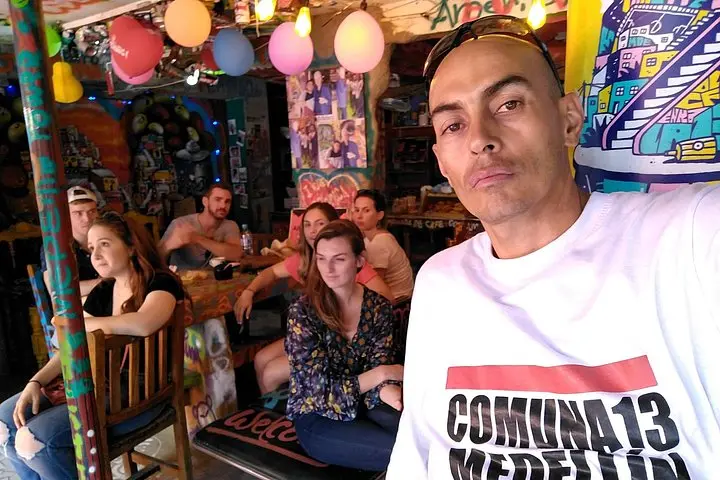
The tour moves at walking pace through alleys lined with graffiti that documents memory, politics, and everyday life. Guides usually explain the symbolism behind key pieces, point out community-run studios, and stop at landmarks like the House of Memory Museum and neighborhood viewpoints. Photography is welcomed in most places, but always ask before shooting portraits.
Practical notes: tours run about three hours and include private transport and an air-conditioned vehicle; the Metrocable ride is often part of the route. Wear supportive shoes for uneven pavement and steps, carry reusable water, and bring small bills for street vendors and tip. Morning departures avoid afternoon rains and offer cooler light for photos. Follow your guide’s safety advice, respect murals and residents, and leave no trace—this is a living neighborhood, not an open gallery.
Most standard graffiti tours include a Metrocable ride as part of the route—confirm on booking; the cable offers quick access up the hillside and great views.
Guided tours are widely used and considered safe; follow local guide instructions, avoid photographing residents without permission, and keep valuables secure.
Some stops like the House of Memory Museum may require a separate ticket; check the itinerary or ask your operator beforehand.
The tour is family-friendly, but steep streets and many steps make full stroller use difficult; infant carriers are more practical.
Travel Medellín Guide operates guided outdoor trips and adventures with an emphasis on safety, stewardship, and memorable experiences.
You step off the cable car and the hill answers with color—walls rise like pages, each mural a sentence in a neighborhood conversation. Narrow lanes climb steeply; the outdoor escalators thread through the slope and seem to push the city upward, carrying visitors past scenes of conflict and joy.
You step off the cable car and the hill answers with color—walls rise like pages, each mural a sentence in a neighborhood conversation. Narrow lanes climb steeply; the outdoor escalators thread through the slope and seem to push the city upward, carrying visitors past scenes of conflict and joy.
Comuna 13 was once known for violent clashes tied to Colombia’s armed conflict. In the past two decades community-led art projects, public infrastructure (notably the escalators and Metrocable), and local entrepreneurship have reshaped how residents and visitors move through the steep Andean hillside. Geology here is immediate: streets cling to exposed slopes of the Aburrá Valley, so expect regular elevation change and stair-stepped blocks rather than flat plazas.
The tour moves at walking pace through alleys lined with graffiti that documents memory, politics, and everyday life. Guides usually explain the symbolism behind key pieces, point out community-run studios, and stop at landmarks like the House of Memory Museum and neighborhood viewpoints. Photography is welcomed in most places, but always ask before shooting portraits.
Practical notes: tours run about three hours and include private transport and an air-conditioned vehicle; the Metrocable ride is often part of the route. Wear supportive shoes for uneven pavement and steps, carry reusable water, and bring small bills for street vendors and tip. Morning departures avoid afternoon rains and offer cooler light for photos. Follow your guide’s safety advice, respect murals and residents, and leave no trace—this is a living neighborhood, not an open gallery.