THE ADVENTURE COLLECTIVE® · Independent discovery and booking for outdoor travel

Walk the Con Dao Heritage Trail to confront a powerful chapter of Vietnam’s past: Phu Hai Prison, tiger cages, the Con Dao Museum and the sacred grave of Vo Thi Sau. This half-day tour pairs clear historical interpretation with the island’s coastal scenery.
Walk the Con Dao Heritage Trail to confront a powerful chapter of Vietnam’s past: Phu Hai Prison, tiger cages, the Con Dao Museum and the sacred grave of Vo Thi Sau. This half-day tour pairs clear historical interpretation with the island’s coastal scenery.
A low-slung van eases out of Con Son town as sea-salt air pushes through the open windows. Narrow streets give way to low hills and weathered colonial facades; within an hour you’re standing at the gate of sites that once made this island infamous. The walk is deliberate—places to read, reflect, and absorb.
Verified experiences and guided adventures in the surrounding area.
Operated by Local Tours SAPA · Con Son, Ba Ria-Vung Tau
A low-slung van eases out of Con Son town as sea-salt air pushes through the open windows. Narrow streets give way to low hills and weathered colonial facades; within an hour you’re standing at the gate of sites that once made this island infamous. The walk is deliberate—places to read, reflect, and absorb.
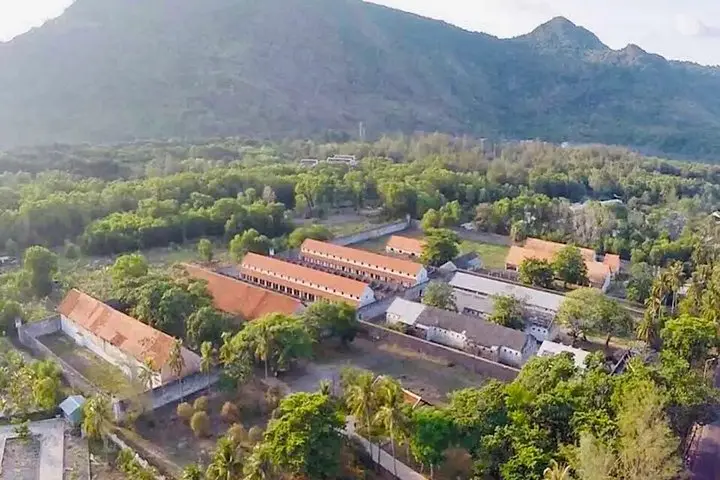
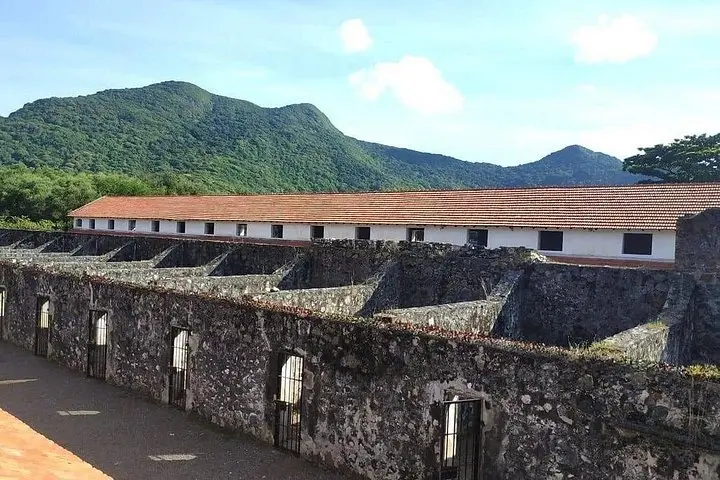
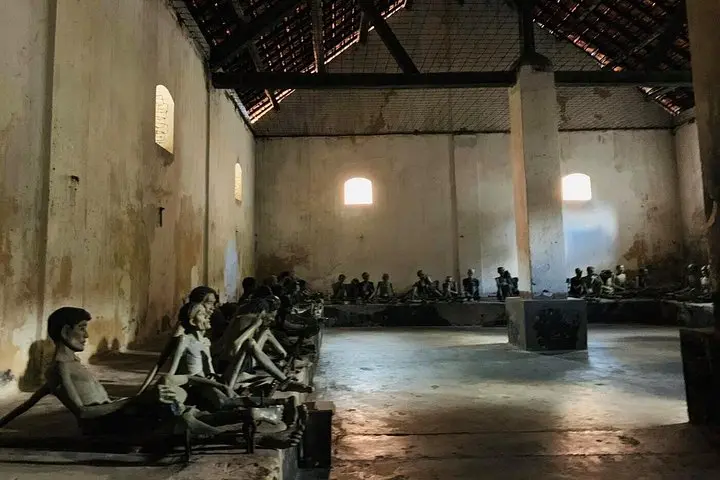
Con Dao’s islands are volcanic and granitic, their hills carving small coves and forested ridges where coral reefs shelter turtles offshore. The Heritage Trail threads through that landscape and a darker human history: French- and later U.S.-era prisons, the engineered “tiger cages,” and sites of solitary confinement that shaped modern Vietnamese memory. The Con Dao Museum and the Governor’s Palace place artifacts and photos beside the architecture that enforced colonial authority; Hang Duong Cemetery and Vo Thi Sau’s grave are active remembrance sites where locals come to light candles.
Practical guidance: the half-day loop runs about 3–4.5 hours with hotel pickup in Con Son, mostly on paved paths and short stairways. Wear sturdy walking shoes and sun protection; surfaces can be uneven at prison ruins and at memorial steps. Bring water—the tour supplies bottled water but a reusable bottle is useful—and modest clothing out of respect at memorials and cemeteries.
Timing matters: mornings or late afternoons are cooler for outdoor sites and make the museum visit more comfortable. Photography is usually permitted at open-air sites, but follow guide directions at sensitive memorials. The trail balances historical interpretation with the island’s natural rhythms—sea, stone, and memory moving together—so move slowly and listen to both guide and place.
Yes — the tour includes pickup and drop-off from hotels in Con Son (Con Dao town); confirm pickup point when booking.
Admissions listed in the itinerary (Con Dao Museum, Governor’s Palace, Phu Hai Prison, Vo Thi Sau site) are included as noted by the operator.
The itinerary is suitable for most ages, but some areas have stairs and narrow walkways; those with limited mobility should check ahead.
The tour description lists an English-speaking guide; ask the operator if guides in other languages are needed when booking.
Local Tours SAPA operates guided outdoor trips and adventures with an emphasis on safety, stewardship, and memorable experiences.
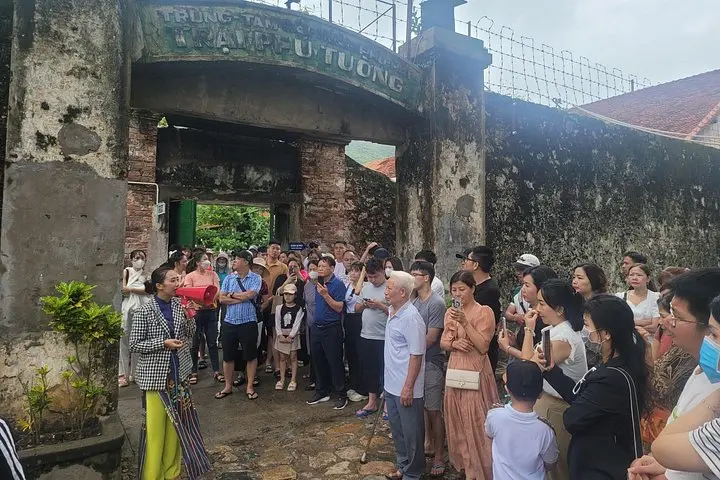
A low-slung van eases out of Con Son town as sea-salt air pushes through the open windows. Narrow streets give way to low hills and weathered colonial facades; within an hour you’re standing at the gate of sites that once made this island infamous. The walk is deliberate—places to read, reflect, and absorb.
A low-slung van eases out of Con Son town as sea-salt air pushes through the open windows. Narrow streets give way to low hills and weathered colonial facades; within an hour you’re standing at the gate of sites that once made this island infamous. The walk is deliberate—places to read, reflect, and absorb.
Con Dao’s islands are volcanic and granitic, their hills carving small coves and forested ridges where coral reefs shelter turtles offshore. The Heritage Trail threads through that landscape and a darker human history: French- and later U.S.-era prisons, the engineered “tiger cages,” and sites of solitary confinement that shaped modern Vietnamese memory. The Con Dao Museum and the Governor’s Palace place artifacts and photos beside the architecture that enforced colonial authority; Hang Duong Cemetery and Vo Thi Sau’s grave are active remembrance sites where locals come to light candles.
Practical guidance: the half-day loop runs about 3–4.5 hours with hotel pickup in Con Son, mostly on paved paths and short stairways. Wear sturdy walking shoes and sun protection; surfaces can be uneven at prison ruins and at memorial steps. Bring water—the tour supplies bottled water but a reusable bottle is useful—and modest clothing out of respect at memorials and cemeteries.
Timing matters: mornings or late afternoons are cooler for outdoor sites and make the museum visit more comfortable. Photography is usually permitted at open-air sites, but follow guide directions at sensitive memorials. The trail balances historical interpretation with the island’s natural rhythms—sea, stone, and memory moving together—so move slowly and listen to both guide and place.