THE ADVENTURE COLLECTIVE® · Independent discovery and booking for outdoor travel

Spend a night on Conchagua’s rim and watch the sun climb over the Gulf of Fonseca. This guided overnight combines a moderate hike, eco-designated camping, and a sunrise panorama of islands and open water.
Spend a night on Conchagua’s rim and watch the sun climb over the Gulf of Fonseca. This guided overnight combines a moderate hike, eco-designated camping, and a sunrise panorama of islands and open water.
Headlamps fade and the first pale arc of dawn lifts over water — that’s the payoff on Conchagua. The overnight camp sits on the volcano’s rim, where cold mountain air meets the warm breath of the Pacific and the islands of Meanguera, Zacatillo and Conchaguita lie like scattered coins in the Gulf of Fonseca.
Verified experiences and guided adventures in the surrounding area.
Operated by El Salvador Positive Tours · La Unión, La Unión Department
Headlamps fade and the first pale arc of dawn lifts over water — that’s the payoff on Conchagua. The overnight camp sits on the volcano’s rim, where cold mountain air meets the warm breath of the Pacific and the islands of Meanguera, Zacatillo and Conchaguita lie like scattered coins in the Gulf of Fonseca.
The cone at Conchagua is part of eastern El Salvador’s volcanic chain; its slopes are built of old lava flows and ash that create steep ridgelines and surprisingly fertile pockets of forest. Indigenous peoples and colonial-era settlers used the high ground as lookout and navigation points for coastal traffic, and La Unión’s fishing culture still shapes the towns below — expect salty air and local seafood flavors in nearby villages.
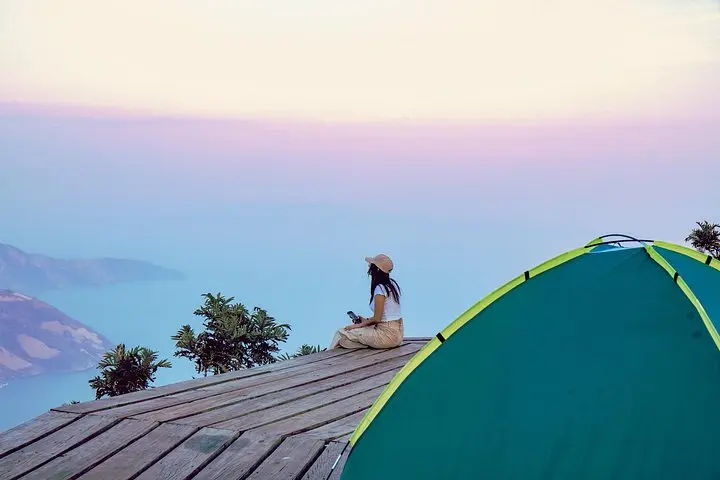
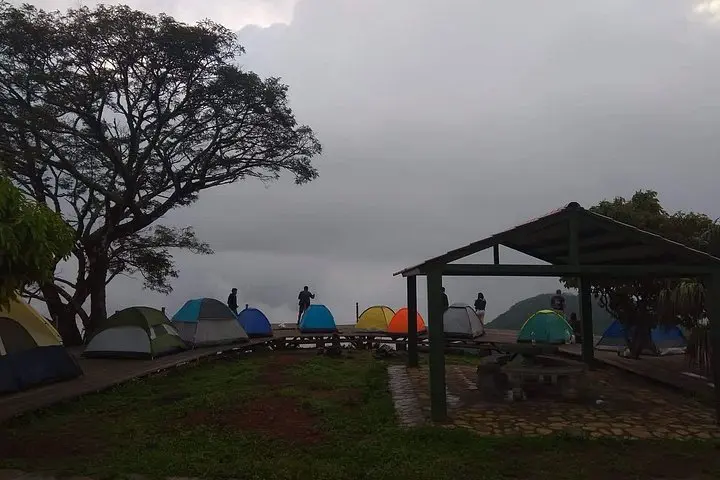
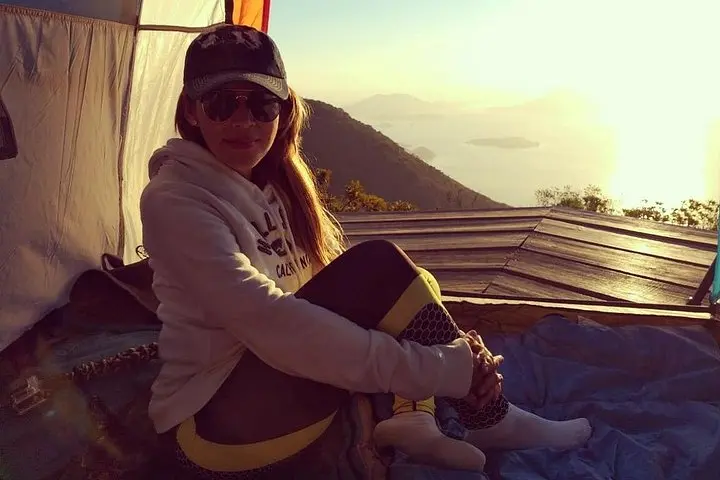
By night the sky is unpolluted and stars assert themselves; by dawn the horizon performs its slow reveal as sunline slices across islands and water. The experience is primarily about timing and light: the ascent ends at an eco-designated campsite where tents are pitched on packed volcanic soil and guides handle logistics and safety.
Plan for a moderate hike and basic backcountry camping: sturdy boots, a warm layer, headlamp and 2–3 liters of water are minimums. Weather changes quickly after dark; carry a rain shell in the wet season. Respect campsite boundaries, pack out waste, and follow your guide’s directions for safety on exposed ridgelines. With preparation, the overnight delivers one of El Salvador’s most memorable sunrises and a clear sense of the region’s geology and coastal life.
The trek is moderate: several hundred meters of elevation gain on uneven, sometimes steep volcanic terrain. Guides set the pace; a basic level of fitness is recommended.
Tours typically provide double tents and basic sleeping arrangements; confirm with the operator if you need sleeping bags or pads included.
No — weather and cloud cover can block the view. The site is chosen for its high probability of clear morning light, but operators may reschedule or refund per policy if conditions are poor.
Yes—beginners with a moderate fitness level can participate since guides handle logistics. Notify operators of any medical concerns; the tour is not recommended for people with serious back, heart, or pregnancy-related restrictions.
El Salvador Positive Tours operates guided outdoor trips and adventures with an emphasis on safety, stewardship, and memorable experiences.
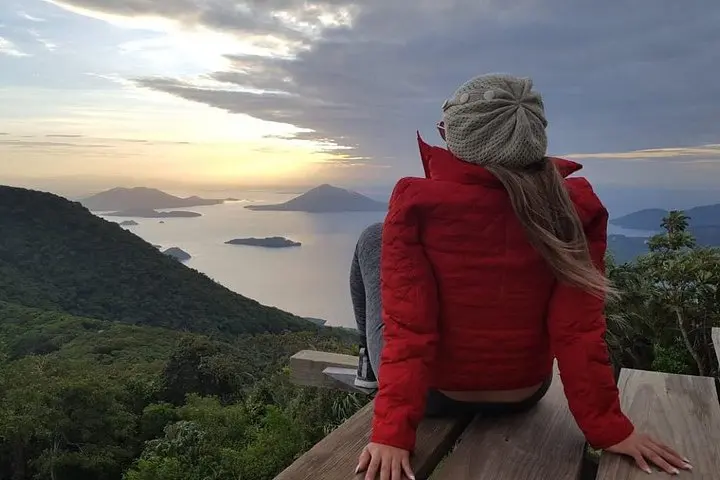
Headlamps fade and the first pale arc of dawn lifts over water — that’s the payoff on Conchagua. The overnight camp sits on the volcano’s rim, where cold mountain air meets the warm breath of the Pacific and the islands of Meanguera, Zacatillo and Conchaguita lie like scattered coins in the Gulf of Fonseca.
Headlamps fade and the first pale arc of dawn lifts over water — that’s the payoff on Conchagua. The overnight camp sits on the volcano’s rim, where cold mountain air meets the warm breath of the Pacific and the islands of Meanguera, Zacatillo and Conchaguita lie like scattered coins in the Gulf of Fonseca.
The cone at Conchagua is part of eastern El Salvador’s volcanic chain; its slopes are built of old lava flows and ash that create steep ridgelines and surprisingly fertile pockets of forest. Indigenous peoples and colonial-era settlers used the high ground as lookout and navigation points for coastal traffic, and La Unión’s fishing culture still shapes the towns below — expect salty air and local seafood flavors in nearby villages.
By night the sky is unpolluted and stars assert themselves; by dawn the horizon performs its slow reveal as sunline slices across islands and water. The experience is primarily about timing and light: the ascent ends at an eco-designated campsite where tents are pitched on packed volcanic soil and guides handle logistics and safety.
Plan for a moderate hike and basic backcountry camping: sturdy boots, a warm layer, headlamp and 2–3 liters of water are minimums. Weather changes quickly after dark; carry a rain shell in the wet season. Respect campsite boundaries, pack out waste, and follow your guide’s directions for safety on exposed ridgelines. With preparation, the overnight delivers one of El Salvador’s most memorable sunrises and a clear sense of the region’s geology and coastal life.