THE ADVENTURE COLLECTIVE® · Independent discovery and booking for outdoor travel

Walk five days along Lake Kivu’s western rim, trading villages and terraced farmland for broad lake views and a 100m waterfall. This multi-day trek blends long hiking days with simple base-camp nights and close cultural encounters.
Walk five days along Lake Kivu’s western rim, trading villages and terraced farmland for broad lake views and a 100m waterfall. This multi-day trek blends long hiking days with simple base-camp nights and close cultural encounters.
Morning on the Congo Nile Trail means cool air, red earth and Lake Kivu glinting between steep ridges as you step off a village lane and onto a contouring footpath.
Verified experiences and guided adventures in the surrounding area.
Operated by Usalama Tours Rwanda · Karongi (Kibuye), Western Province
Morning on the Congo Nile Trail means cool air, red earth and Lake Kivu glinting between steep ridges as you step off a village lane and onto a contouring footpath.
This five-day route threads Karongi (Kibuye) to Rubavu, moving through banana plantations, terraced fields and scrubby forest, pausing at Ndaba Waterfalls and small lakeside hamlets. The trail follows volcanic slopes that feed into Lake Kivu; geology here is young, weathered lava and basalt that makes for firm ridgelines and deeply eroded valleys. Culturally the route crosses Hutu and Tutsi farming communities where hospitality is practical—children will sing for a story and elders cultivate beans and sorghum on steep terraces.
Expect long walks—5–9 hours on bigger days—on singletrack, farm roads and occasional rocky stream crossings. Nights are spent at basic base camps offering simple meals and shelter; guides handle logistics and packed lunches. Wildlife is subtle: vervet monkeys in the trees and shorebirds on the lake, with primate habitat in nearby forests.
Practical notes: start early to avoid midday heat and afternoon showers, carry 2–3 liters of water and a rain shell, and wear broken-in hiking shoes with good grip for muddy descents. Public buses and moto-taxis connect trailheads; the guide coordinates transfers. The trail rewards steady pacing and a tolerance for rustic accommodations—come prepared for memorable vistas, local encounters, and the steady rhythm of walking through Rwanda’s western hills.
You should have good endurance for multiple consecutive days of walking, including at least one 8–9 hour day on hilly terrain; no technical climbing required.
Accommodations are basic base camps or simple lodges with communal meals—expect rustic comfort and local-style food.
Packed water is provided at some stops, but you should carry 2–3 liters and a small filter or tablets for refill opportunities in villages.
This tour is not recommended for travelers with spinal injuries or pregnant guests; children must be managed carefully due to long daily distances.
Usalama Tours Rwanda operates guided outdoor trips and adventures with an emphasis on safety, stewardship, and memorable experiences.
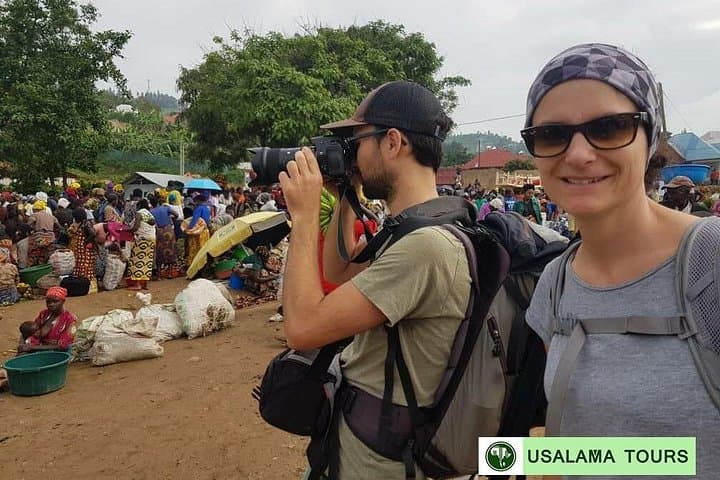

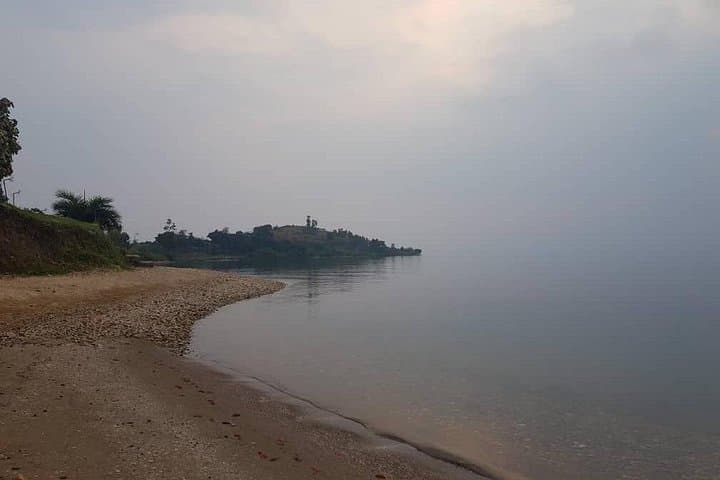

Morning on the Congo Nile Trail means cool air, red earth and Lake Kivu glinting between steep ridges as you step off a village lane and onto a contouring footpath.
Morning on the Congo Nile Trail means cool air, red earth and Lake Kivu glinting between steep ridges as you step off a village lane and onto a contouring footpath.
This five-day route threads Karongi (Kibuye) to Rubavu, moving through banana plantations, terraced fields and scrubby forest, pausing at Ndaba Waterfalls and small lakeside hamlets. The trail follows volcanic slopes that feed into Lake Kivu; geology here is young, weathered lava and basalt that makes for firm ridgelines and deeply eroded valleys. Culturally the route crosses Hutu and Tutsi farming communities where hospitality is practical—children will sing for a story and elders cultivate beans and sorghum on steep terraces.
Expect long walks—5–9 hours on bigger days—on singletrack, farm roads and occasional rocky stream crossings. Nights are spent at basic base camps offering simple meals and shelter; guides handle logistics and packed lunches. Wildlife is subtle: vervet monkeys in the trees and shorebirds on the lake, with primate habitat in nearby forests.
Practical notes: start early to avoid midday heat and afternoon showers, carry 2–3 liters of water and a rain shell, and wear broken-in hiking shoes with good grip for muddy descents. Public buses and moto-taxis connect trailheads; the guide coordinates transfers. The trail rewards steady pacing and a tolerance for rustic accommodations—come prepared for memorable vistas, local encounters, and the steady rhythm of walking through Rwanda’s western hills.