THE ADVENTURE COLLECTIVE® · Independent discovery and booking for outdoor travel

Walk through one of Portugal’s largest Roman sites, from the aqueduct source at Alcabideque to the mosaic-rich House of the Fountains. Pair the ruins with the PO.RO.S museum for context and multimedia displays on Roman life.
Walk through one of Portugal’s largest Roman sites, from the aqueduct source at Alcabideque to the mosaic-rich House of the Fountains. Pair the ruins with the PO.RO.S museum for context and multimedia displays on Roman life.
A cool morning light slides across low stone walls as you step into Conímbriga’s open air plan — mosaics underfoot, a forum outline cutting a straight line through centuries. The guide leads you past the House of the Fountains; mythological figures stare up from tesserae while the ruins themselves keep the rhythm of an old city.
Verified experiences and guided adventures in the surrounding area.
Operated by Veado Verde / Green Deer · Condeixa-a-Nova, Coimbra District
A cool morning light slides across low stone walls as you step into Conímbriga’s open air plan — mosaics underfoot, a forum outline cutting a straight line through centuries. The guide leads you past the House of the Fountains; mythological figures stare up from tesserae while the ruins themselves keep the rhythm of an old city.
Conímbriga sits on limestone terraces shaped by ancient fluvial action and Roman engineering. Occupied by Romans from the 2nd century BC, it grew under Augustus into a regional center with baths, an amphitheatre and a complex water system that begins at Alcabideque. Nearby PO.RO.S — Roman Portugal Museum in Sicó — translates finds into multimedia displays that contextualize daily life here.
Culturally the region is rural and quietly Portuguese: olive groves, wheat fields, and small bakeries in Condeixa-a-Nova where locals still buy morning broa. Geology shows up in the stone used for walls and in the clear springs that fed the aqueduct; the landscape nudges visitors to read the ruins as both civic plan and practical plumbing.
Practical guidance: the tour is a comfortable, mostly flat walk of about four hours total including transport; wear sturdy shoes for uneven mosaic surfaces and bring sun protection in summer. Photography is welcome but respect restricted areas and do not step on preserved mosaics. The PO.RO.S museum is closed Mondays, so schedule accordingly. Early morning or late afternoon visits avoid heat and busier tour windows.
Entrance is typically paid locally; confirm with your booking whether admissions are included or payable on arrival.
Parts of the site are accessible and the tour notes stroller access, but many ancient surfaces are uneven—check specific pickup and accessibility needs when booking.
This experience may be operated by multilingual guides; request your preferred language at booking to confirm.
Private transport and hotel pickup/drop-off are offered if selected when booking—confirm your pickup point in advance.
Veado Verde / Green Deer operates guided outdoor trips and adventures with an emphasis on safety, stewardship, and memorable experiences.
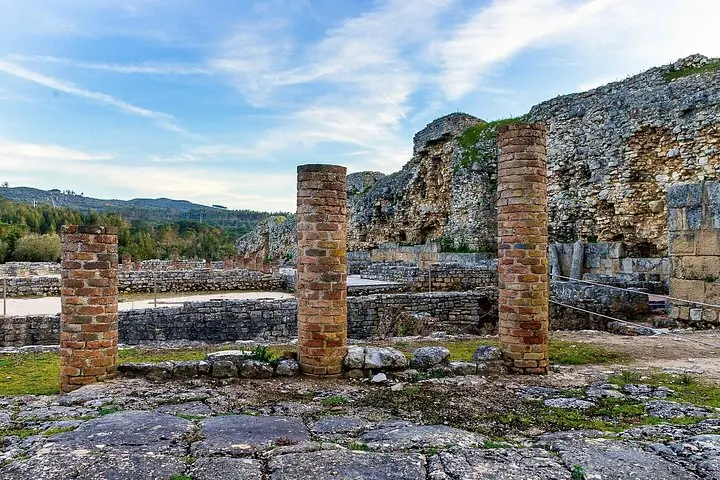
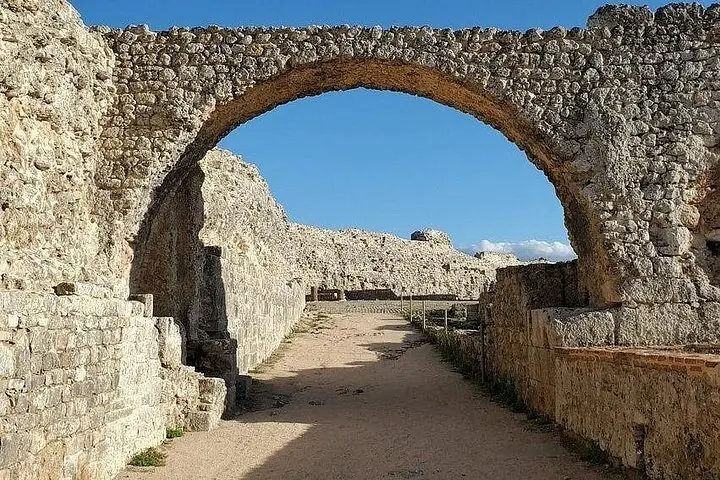
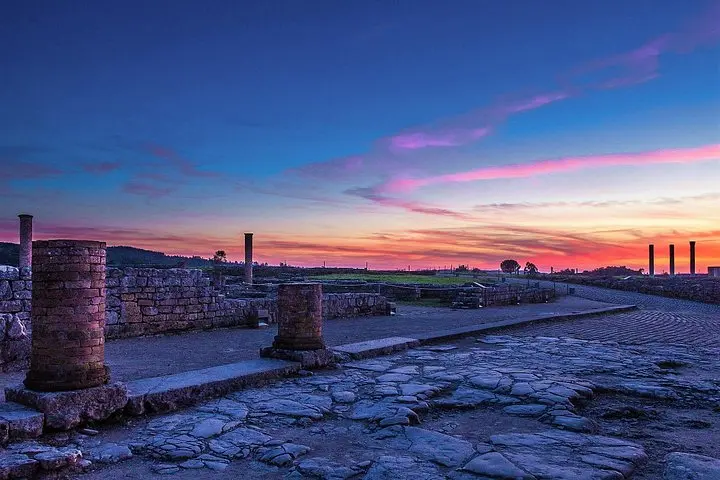
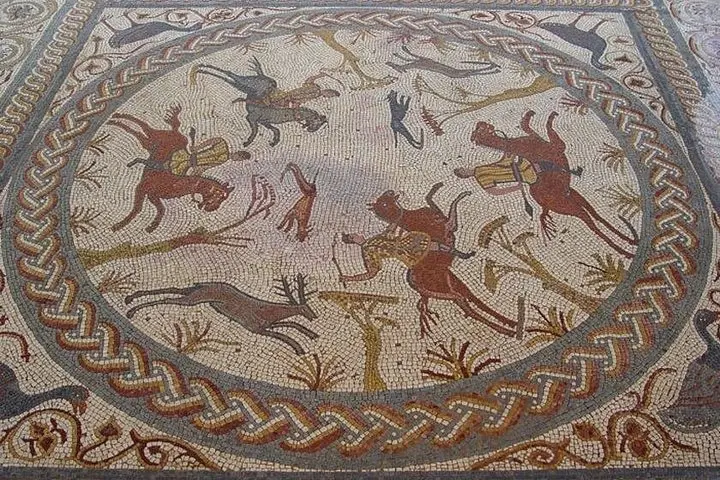
A cool morning light slides across low stone walls as you step into Conímbriga’s open air plan — mosaics underfoot, a forum outline cutting a straight line through centuries. The guide leads you past the House of the Fountains; mythological figures stare up from tesserae while the ruins themselves keep the rhythm of an old city.
A cool morning light slides across low stone walls as you step into Conímbriga’s open air plan — mosaics underfoot, a forum outline cutting a straight line through centuries. The guide leads you past the House of the Fountains; mythological figures stare up from tesserae while the ruins themselves keep the rhythm of an old city.
Conímbriga sits on limestone terraces shaped by ancient fluvial action and Roman engineering. Occupied by Romans from the 2nd century BC, it grew under Augustus into a regional center with baths, an amphitheatre and a complex water system that begins at Alcabideque. Nearby PO.RO.S — Roman Portugal Museum in Sicó — translates finds into multimedia displays that contextualize daily life here.
Culturally the region is rural and quietly Portuguese: olive groves, wheat fields, and small bakeries in Condeixa-a-Nova where locals still buy morning broa. Geology shows up in the stone used for walls and in the clear springs that fed the aqueduct; the landscape nudges visitors to read the ruins as both civic plan and practical plumbing.
Practical guidance: the tour is a comfortable, mostly flat walk of about four hours total including transport; wear sturdy shoes for uneven mosaic surfaces and bring sun protection in summer. Photography is welcome but respect restricted areas and do not step on preserved mosaics. The PO.RO.S museum is closed Mondays, so schedule accordingly. Early morning or late afternoon visits avoid heat and busier tour windows.