THE ADVENTURE COLLECTIVE® · Independent discovery and booking for outdoor travel

A 90-minute guided stroll that moves from lake edge to coastal lookouts—ideal for birders and wildlife watchers. Expect kangaroos at the waterline, three scenic lookouts, and a beach finish with possible whale or dolphin sightings in season.
A 90-minute guided stroll that moves from lake edge to coastal lookouts—ideal for birders and wildlife watchers. Expect kangaroos at the waterline, three scenic lookouts, and a beach finish with possible whale or dolphin sightings in season.
The tour begins with the quiet slap of water against the shoreline as your local guide waits at the lake edge, binoculars ready and stories queued about floods, fires and the birds that returned afterward. You move slowly—past reeds that bob like watchful sentries—toward a boardwalk that threads the bush and opens onto three cliff-top lookouts where lake and ocean trade glints of light.
Verified experiences and guided adventures in the surrounding area.
The tour begins with the quiet slap of water against the shoreline as your local guide waits at the lake edge, binoculars ready and stories queued about floods, fires and the birds that returned afterward. You move slowly—past reeds that bob like watchful sentries—toward a boardwalk that threads the bush and opens onto three cliff-top lookouts where lake and ocean trade glints of light.
Geology here is recent: a coastal lagoon system shaped by longshore drift and periodic storm overwash that builds dunes and reshapes the inlet. The area sits on land of the Yuin people; local cultural notes often surface in guide commentary about traditional shellfish gathering and place names. European settlers later altered water flows and fire regimes, events still visible in scarred banks and regrown forest.
Wildlife is the day’s currency: kangaroos graze the lakeshore at dawn, migratory shorebirds patrol the sand, and in season whales or dolphins may cut the surf near Green Island. The walk finishes on Conjola Beach, where the sand offers a different rhythm—soft, wind-scoured, and liable to reveal a pod of dolphins or a lone sandpiper.
Practical guidance: expect 90 minutes of easy-to-moderate walking over boardwalks, sandy dunes and short inclines. Bring binoculars, sun and wind protection, a refillable water bottle and sturdy shoes that handle sand and roots. Check tide times if you plan to walk the surf line; coastal birds and nesting zones are protected—follow your guide’s route and signage. A quick dip in the lake is tempting and possible, but check water conditions first.
The guide meets at the lake edge at the nominated meeting point; confirmation email gives exact coordinates and parking advice.
Early morning and late afternoon maximize wildlife activity—dawn is best for kangaroos at the waterline; migratory birds peak in spring and autumn.
Yes—the walk is family-friendly but includes sandy dunes and some uneven boardwalk; let the operator know about mobility needs in advance.
Yes, swimming in the lake is common but always check conditions and follow your guide’s safety advice regarding currents and water quality.
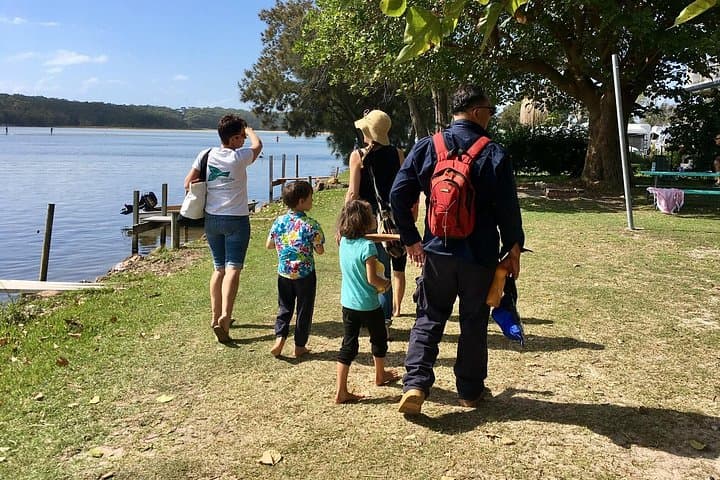
The tour begins with the quiet slap of water against the shoreline as your local guide waits at the lake edge, binoculars ready and stories queued about floods, fires and the birds that returned afterward. You move slowly—past reeds that bob like watchful sentries—toward a boardwalk that threads the bush and opens onto three cliff-top lookouts where lake and ocean trade glints of light.
The tour begins with the quiet slap of water against the shoreline as your local guide waits at the lake edge, binoculars ready and stories queued about floods, fires and the birds that returned afterward. You move slowly—past reeds that bob like watchful sentries—toward a boardwalk that threads the bush and opens onto three cliff-top lookouts where lake and ocean trade glints of light.
Geology here is recent: a coastal lagoon system shaped by longshore drift and periodic storm overwash that builds dunes and reshapes the inlet. The area sits on land of the Yuin people; local cultural notes often surface in guide commentary about traditional shellfish gathering and place names. European settlers later altered water flows and fire regimes, events still visible in scarred banks and regrown forest.
Wildlife is the day’s currency: kangaroos graze the lakeshore at dawn, migratory shorebirds patrol the sand, and in season whales or dolphins may cut the surf near Green Island. The walk finishes on Conjola Beach, where the sand offers a different rhythm—soft, wind-scoured, and liable to reveal a pod of dolphins or a lone sandpiper.
Practical guidance: expect 90 minutes of easy-to-moderate walking over boardwalks, sandy dunes and short inclines. Bring binoculars, sun and wind protection, a refillable water bottle and sturdy shoes that handle sand and roots. Check tide times if you plan to walk the surf line; coastal birds and nesting zones are protected—follow your guide’s route and signage. A quick dip in the lake is tempting and possible, but check water conditions first.