THE ADVENTURE COLLECTIVE® · Independent discovery and booking for outdoor travel

Ascend Bolivia’s Huayna Potosi over two days, navigating glaciers and high alpine terrain to reach 6,088 meters. This climb offers breathtaking views and a deep dive into Andean culture, ideal for fit adventurers ready for a technical, high-altitude challenge.
Ascend Bolivia’s Huayna Potosi over two days, navigating glaciers and high alpine terrain to reach 6,088 meters. This climb offers breathtaking views and a deep dive into Andean culture, ideal for fit adventurers ready for a technical, high-altitude challenge.
At first light, the crisp Bolivian air bites as climbers gather at Huayna Potosi’s base camp, perched at 4,700 meters. The mountain looms—icy, formidable—its glaciers daring each adventurer to push beyond limits. Here, the Andes stretch endlessly, a rugged cathedral sculpted by time and tectonics, where every footstep resonates with whispers of indigenous reverence.
Verified experiences and guided adventures in the surrounding area.
Operated by Sergio Andres · La Paz, La Paz Department
At first light, the crisp Bolivian air bites as climbers gather at Huayna Potosi’s base camp, perched at 4,700 meters. The mountain looms—icy, formidable—its glaciers daring each adventurer to push beyond limits. Here, the Andes stretch endlessly, a rugged cathedral sculpted by time and tectonics, where every footstep resonates with whispers of indigenous reverence.
Huayna Potosi sits as a sentinel over La Paz, its 6,088-meter summit offering panoramic views that unravel valleys and snow-dusted peaks. The ascent unfolds over two days: the initial climb leads across rocky, uneven paths punctuated by icy patches, gaining altitude steadily as climbers acclimatize en route to the high camp. This first day is a measured negotiation between stamina and adapting lungs, the air thinning but the views deepening.
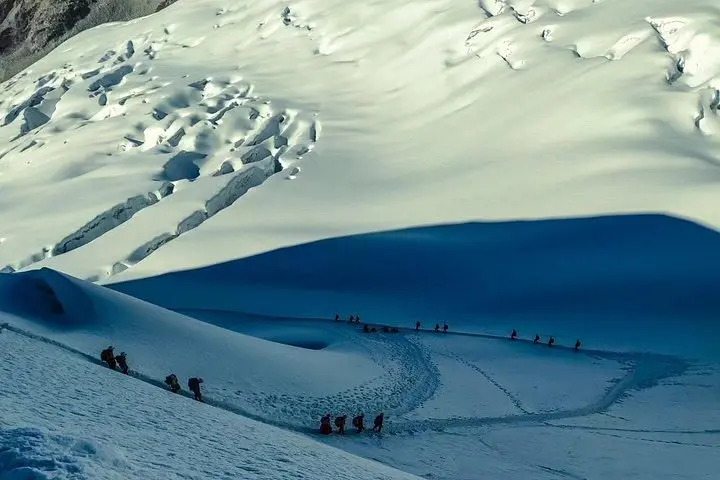
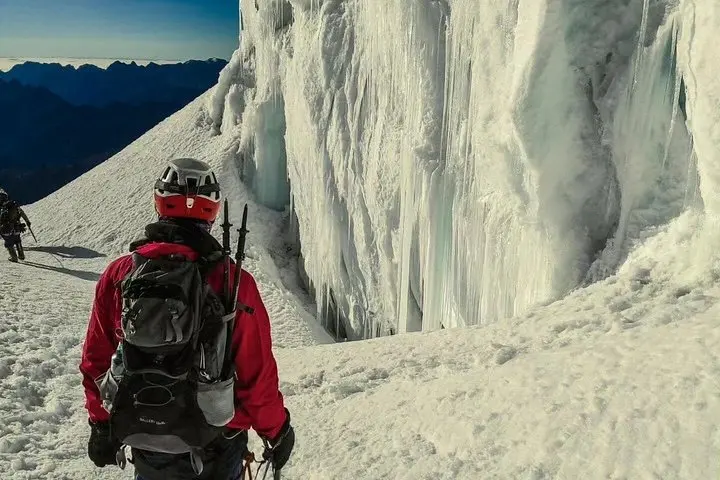
Local Quechua legends infuse the mountain with significance, speaking of apus—sacred spirits guarding the land. This cultural lens sharpens the climb’s context, transforming it from a physical feat into an encounter with living history. On the second day, before dawn, the final push begins. Armed with crampons and ice axes, climbers navigate snowfields and crevasses under expert guidance. The glacier’s rhythm demands respect: icy steps press forward, muscles burning, every breath deliberate.
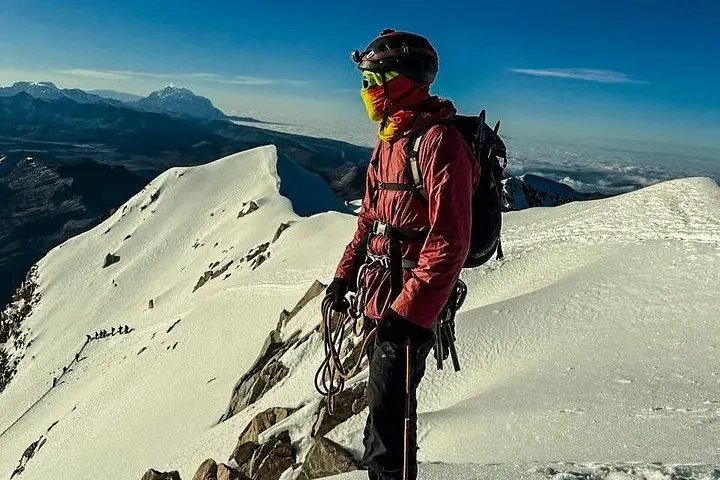
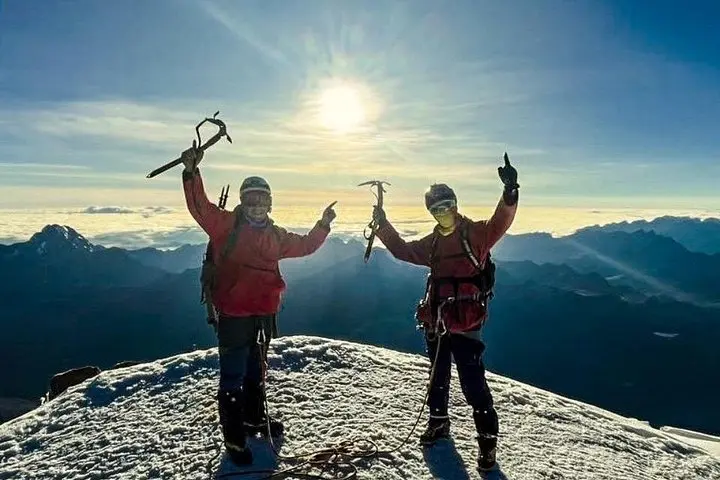
Summiting Huayna Potosi is a moment sealed in quiet triumph. From this summit, the Andes sprawl endlessly—jagged ridges, glacial valleys, and distant volcanoes map a highland world both raw and serene. The descent retraces the path back to base camp, muscles fatigued but spirits elevated by the mountain’s challenges and rewards.
Bolivia’s variable weather requires careful timing; climbing in the dry season optimizes conditions and safety. Guides provide all necessary gear including boots, crampons, helmets, and safety harnesses, easing concerns and letting climbers focus on pacing and acclimatization. Those opting in should be in strong physical condition, prepared for altitude’s demands and ice travel technicalities. Hydration, layering, and calorie intake are focal points in preparation.
Huayna Potosi is a pinnacle adventure melding altitude, culture, and alpine terrain—perfect for climbers seeking a high-mountain challenge with a striking Bolivian backdrop.
While beginner climbers can attempt it with guides, the climb demands good fitness, acclimatization, and some glacier travel experience.
The dry season, June through September, offers the most stable weather and safest climbing conditions.
Yes, at elevations above 4,000 meters, altitude sickness is a risk; proper acclimatization before the climb is essential.
Guides typically provide climbing harnesses, helmets, crampons, ice axes, gloves, and boots as part of the package.
Basic skills in using crampons and ice axe are recommended, though guides provide instruction and support.
Yes, meals including breakfast, lunch, and dinner at the high camp are generally provided during the 2-day trek.
Sergio Andres operates guided outdoor trips and adventures with an emphasis on safety, stewardship, and memorable experiences.
At first light, the crisp Bolivian air bites as climbers gather at Huayna Potosi’s base camp, perched at 4,700 meters. The mountain looms—icy, formidable—its glaciers daring each adventurer to push beyond limits. Here, the Andes stretch endlessly, a rugged cathedral sculpted by time and tectonics, where every footstep resonates with whispers of indigenous reverence.
At first light, the crisp Bolivian air bites as climbers gather at Huayna Potosi’s base camp, perched at 4,700 meters. The mountain looms—icy, formidable—its glaciers daring each adventurer to push beyond limits. Here, the Andes stretch endlessly, a rugged cathedral sculpted by time and tectonics, where every footstep resonates with whispers of indigenous reverence.
Huayna Potosi sits as a sentinel over La Paz, its 6,088-meter summit offering panoramic views that unravel valleys and snow-dusted peaks. The ascent unfolds over two days: the initial climb leads across rocky, uneven paths punctuated by icy patches, gaining altitude steadily as climbers acclimatize en route to the high camp. This first day is a measured negotiation between stamina and adapting lungs, the air thinning but the views deepening.
Local Quechua legends infuse the mountain with significance, speaking of apus—sacred spirits guarding the land. This cultural lens sharpens the climb’s context, transforming it from a physical feat into an encounter with living history. On the second day, before dawn, the final push begins. Armed with crampons and ice axes, climbers navigate snowfields and crevasses under expert guidance. The glacier’s rhythm demands respect: icy steps press forward, muscles burning, every breath deliberate.
Summiting Huayna Potosi is a moment sealed in quiet triumph. From this summit, the Andes sprawl endlessly—jagged ridges, glacial valleys, and distant volcanoes map a highland world both raw and serene. The descent retraces the path back to base camp, muscles fatigued but spirits elevated by the mountain’s challenges and rewards.
Bolivia’s variable weather requires careful timing; climbing in the dry season optimizes conditions and safety. Guides provide all necessary gear including boots, crampons, helmets, and safety harnesses, easing concerns and letting climbers focus on pacing and acclimatization. Those opting in should be in strong physical condition, prepared for altitude’s demands and ice travel technicalities. Hydration, layering, and calorie intake are focal points in preparation.
Huayna Potosi is a pinnacle adventure melding altitude, culture, and alpine terrain—perfect for climbers seeking a high-mountain challenge with a striking Bolivian backdrop.