THE ADVENTURE COLLECTIVE® · Independent discovery and booking for outdoor travel

Headlamps bounce across volcanic scree as climbers make the midnight push toward Uhuru Peak. The Marangu Route pairs hut comforts with a direct, steady ascent—ideal for trekkers looking for a classic Kilimanjaro summit with pragmatic logistics and local support.
Headlamps bounce across volcanic scree as climbers make the midnight push toward Uhuru Peak. The Marangu Route pairs hut comforts with a direct, steady ascent—ideal for trekkers looking for a classic Kilimanjaro summit with pragmatic logistics and local support.
Dawn at Kibo Hut is its own kind of hush: headlamps bob like fireflies against a sky so clear the Milky Way feels close enough to touch. The final push begins in the dark—your breath fogs in the cold air, crampons crunch on volcanic scree, and guides who have led this mountain for years call out slow, steady cadence. Hours later, Kilimanjaro’s Uhuru Peak opens like an answer to patient footsteps: a rim of snow and crater mustering up a view that stretches across the plains to the Indian Ocean.
Verified experiences and guided adventures in the surrounding area.
Operated by SEASON MASTER ADVENTURES · Moshi, Kilimanjaro Region
Dawn at Kibo Hut is its own kind of hush: headlamps bob like fireflies against a sky so clear the Milky Way feels close enough to touch. The final push begins in the dark—your breath fogs in the cold air, crampons crunch on volcanic scree, and guides who have led this mountain for years call out slow, steady cadence. Hours later, Kilimanjaro’s Uhuru Peak opens like an answer to patient footsteps: a rim of snow and crater mustering up a view that stretches across the plains to the Indian Ocean.
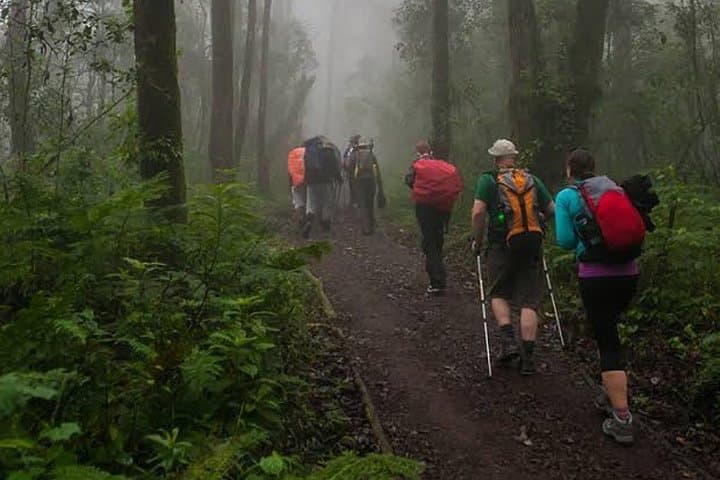
The Marangu Route, nicknamed the “Coca‑Cola Route,” is the most direct path to Kilimanjaro’s 5,895‑meter summit—and the only one offering dormitory‑style huts instead of camping. Over five days you move through sharply changing biomes: rainforest dripping with moss and epiphytes; high moorland where giant lobelias punctuate the landscape; a stark alpine desert on the saddle between Kibo and Mawenzi; and finally the ice‑scarred summit zone. The itinerary’s steady, shorter approach distances ease strain, but altitude is the decisive factor here—not technical difficulty.
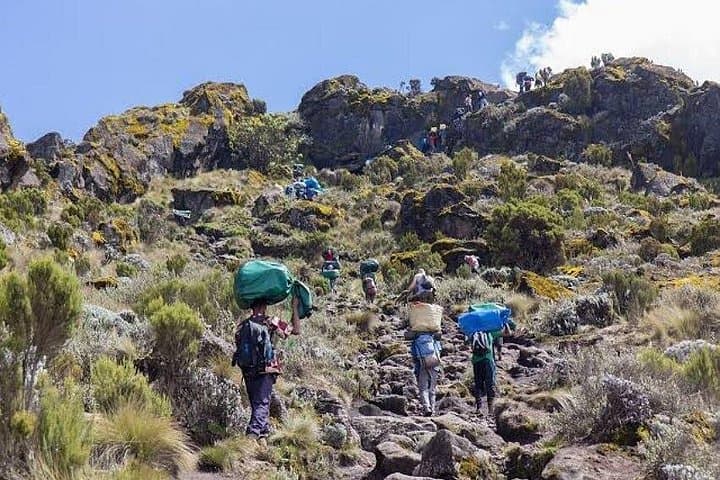
Geologically, Kilimanjaro is a dormant stratovolcano with three peaks—Kibo, Mawenzi and Shira—formed by repeated eruptions and long weathering. Culturally, the mountain has been a landmark for Chagga communities for centuries and today supports a small mountain economy: local guides, cooks and porters form the backbone of summit success. This particular operator includes fair wages approved by KINAPA and KIATO, hot water for washing, three meals a day on the mountain, and mountain‑climbing certificates at the end.
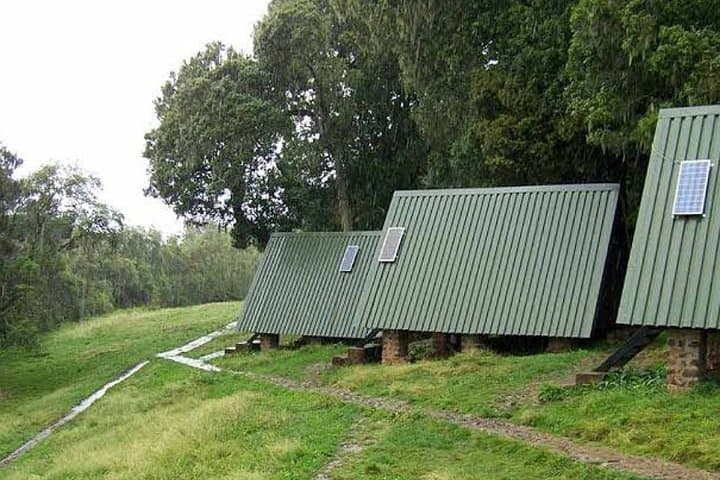
Practical realities matter: the climb gains roughly 3,760 meters on summit day and the total trek covers around 60–70 km round trip. Typical nights are in Mandara Hut (2,740 m), Horombo Hut (3,700 m) and Kibo Hut (4,700–4,750 m). The summit push departs around midnight for the best weather and to maximize acclimatization.
Prepare for sharp temperature swings—hot and humid in the rainforest, bone‑cold above 4,000 meters. Hydration, slow pacing, and a planned rest day at Horombo for acclimatization greatly increase your odds of reaching Uhuru. While the Marangu route is often chosen by less experienced trekkers because of its hut comforts, physical fitness and some high‑altitude experience pay dividends. Carry layers, a reliable headlamp, gaiters for scree, and trust the crew—local knowledge on this mountain is indispensable.
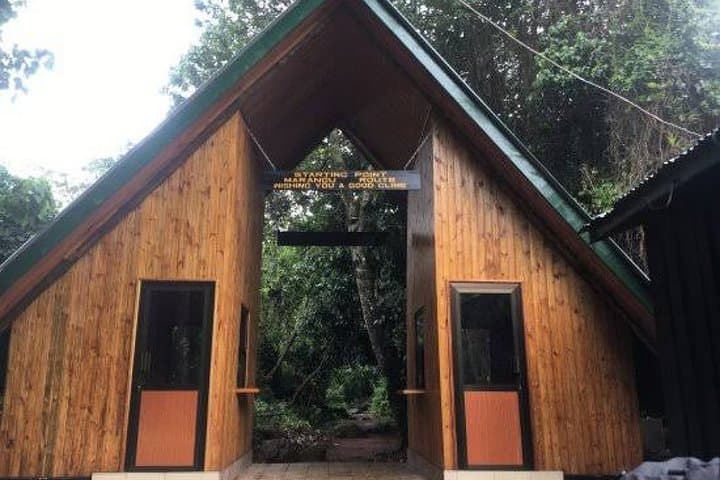
If you go, plan travel through Moshi (a 45‑minute drive to Marangu Gate), budget in time for altitude adjustment, and treat the mountain with respect: it rewards patience more than haste.
Technically it is non‑technical (no ropes or glacier travel), but altitude makes it physically demanding; expect long days and significant elevation gain.
Yes—Marangu is unique for hut accommodations with dormitory‑style sleeping; bring a sleeping bag rated for cold nights.
The clearest windows are January–March and June–October; avoid the long rains in April–May and short rains in November.
Yes—park permits and licensed guides are mandatory; this operator handles registration at Kilimanjaro National Park Authority.
Altitude sickness is common; acclimatization strategies, staying hydrated, and a rest/acclimatization day at Horombo reduce risk but do not eliminate it.
Fair wages are included, but tipping the mountain crew is customary and appreciated—plan to tip guides, cook and porters at the end of the trek.
SEASON MASTER ADVENTURES operates guided outdoor trips and adventures with an emphasis on safety, stewardship, and memorable experiences.
Dawn at Kibo Hut is its own kind of hush: headlamps bob like fireflies against a sky so clear the Milky Way feels close enough to touch. The final push begins in the dark—your breath fogs in the cold air, crampons crunch on volcanic scree, and guides who have led this mountain for years call out slow, steady cadence. Hours later, Kilimanjaro’s Uhuru Peak opens like an answer to patient footsteps: a rim of snow and crater mustering up a view that stretches across the plains to the Indian Ocean.
Dawn at Kibo Hut is its own kind of hush: headlamps bob like fireflies against a sky so clear the Milky Way feels close enough to touch. The final push begins in the dark—your breath fogs in the cold air, crampons crunch on volcanic scree, and guides who have led this mountain for years call out slow, steady cadence. Hours later, Kilimanjaro’s Uhuru Peak opens like an answer to patient footsteps: a rim of snow and crater mustering up a view that stretches across the plains to the Indian Ocean.
The Marangu Route, nicknamed the “Coca‑Cola Route,” is the most direct path to Kilimanjaro’s 5,895‑meter summit—and the only one offering dormitory‑style huts instead of camping. Over five days you move through sharply changing biomes: rainforest dripping with moss and epiphytes; high moorland where giant lobelias punctuate the landscape; a stark alpine desert on the saddle between Kibo and Mawenzi; and finally the ice‑scarred summit zone. The itinerary’s steady, shorter approach distances ease strain, but altitude is the decisive factor here—not technical difficulty.
Geologically, Kilimanjaro is a dormant stratovolcano with three peaks—Kibo, Mawenzi and Shira—formed by repeated eruptions and long weathering. Culturally, the mountain has been a landmark for Chagga communities for centuries and today supports a small mountain economy: local guides, cooks and porters form the backbone of summit success. This particular operator includes fair wages approved by KINAPA and KIATO, hot water for washing, three meals a day on the mountain, and mountain‑climbing certificates at the end.
Practical realities matter: the climb gains roughly 3,760 meters on summit day and the total trek covers around 60–70 km round trip. Typical nights are in Mandara Hut (2,740 m), Horombo Hut (3,700 m) and Kibo Hut (4,700–4,750 m). The summit push departs around midnight for the best weather and to maximize acclimatization.
Prepare for sharp temperature swings—hot and humid in the rainforest, bone‑cold above 4,000 meters. Hydration, slow pacing, and a planned rest day at Horombo for acclimatization greatly increase your odds of reaching Uhuru. While the Marangu route is often chosen by less experienced trekkers because of its hut comforts, physical fitness and some high‑altitude experience pay dividends. Carry layers, a reliable headlamp, gaiters for scree, and trust the crew—local knowledge on this mountain is indispensable.
If you go, plan travel through Moshi (a 45‑minute drive to Marangu Gate), budget in time for altitude adjustment, and treat the mountain with respect: it rewards patience more than haste.