THE ADVENTURE COLLECTIVE® · Independent discovery and booking for outdoor travel

A full‑day guided ascent of Santa Ana Volcano leads to a dramatic crater rim and sweeping views over Lake Coatepeque. This small‑group hike mixes volcanic geology, local culture and a lakeside lunch for a complete day outdoors.
A full‑day guided ascent of Santa Ana Volcano leads to a dramatic crater rim and sweeping views over Lake Coatepeque. This small‑group hike mixes volcanic geology, local culture and a lakeside lunch for a complete day outdoors.
Steam hangs low in the early-morning light as the guide points the group toward a narrow trail cut into volcanic scree. Footsteps crunch on ash and small obsidian shards; the slope pitches steady and the air thins as the landscape opens to wide views—Lake Coatepeque a blue coin far below, the crater rim a raw amphitheater of black rock.
Verified experiences and guided adventures in the surrounding area.
Operated by Nativo503 · Santa Ana, Santa Ana Department
Steam hangs low in the early-morning light as the guide points the group toward a narrow trail cut into volcanic scree. Footsteps crunch on ash and small obsidian shards; the slope pitches steady and the air thins as the landscape opens to wide views—Lake Coatepeque a blue coin far below, the crater rim a raw amphitheater of black rock.
Santa Ana (Ilamatepec) is the highest volcano in El Salvador and part of the Central American volcanic arc. Its last notable eruption was in 2005, and the crater still exhales warm, sulfur-scented breath. Geology here is immediate: layered lava flows, pumice terraces, and a rim carved by centuries of eruptions. Culturally, the route threads through rural coffee and farming communities—expect the warmth of local guides and a post-hike lunch of Salvadoran favorites at Lake Coatepeque.
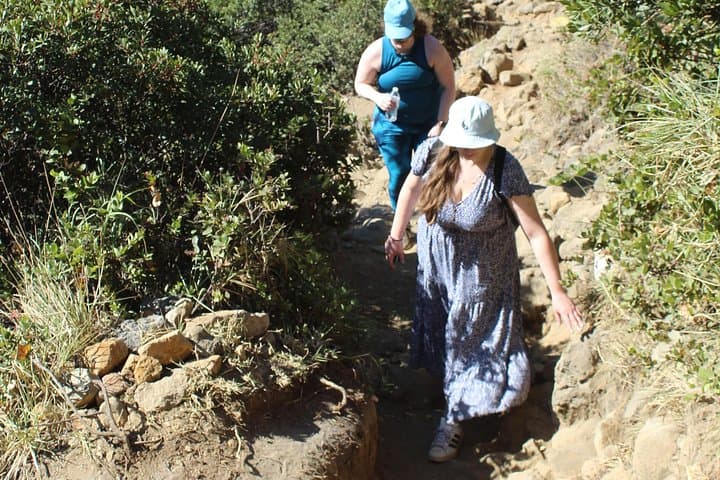
The guided day tour typically runs about nine hours, with roughly 1.5–2 hours of steady uphill hiking to the summit, then a descent and lakeside stop. Trails vary from packed dirt to loose volcanic gravel and can be exposed on the final ascent. Group sizes are small, often capped at 14, so the pace is manageable and the guide can point out geological features and birdlife.
Practical tips: start early for cooler temperatures and clearer views; wear sturdy boots with good grip; carry 2–3 liters of water and sun protection; bring a light rain shell during the wet season. Respect the crater edge—routes are narrow—and save the celebratory ice cream on the rim for after photos.
Expect about 1.5–2 hours to reach the crater rim from the park entrance on a moderate pace; total tour time is roughly nine hours including transport and lunch.
Beginners with a reasonable level of fitness can complete it, but the ascent is steep in places and footing can be loose—consider a slower pace or trekking poles.
Guided tours generally include park entrance and the necessary access; confirm with the operator whether any fees are covered in your booking.
Yes—many tours stop at Lake Coatepeque for lunch where swimming, boat rentals, and optional water activities are available at your own expense.
Nativo503 operates guided outdoor trips and adventures with an emphasis on safety, stewardship, and memorable experiences.


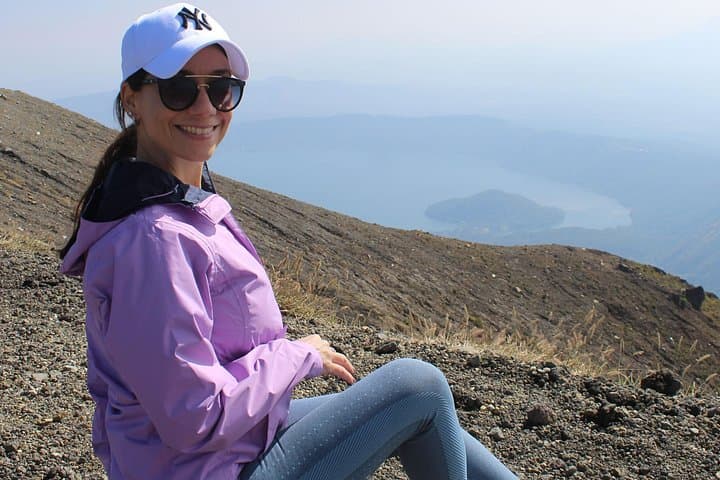
Steam hangs low in the early-morning light as the guide points the group toward a narrow trail cut into volcanic scree. Footsteps crunch on ash and small obsidian shards; the slope pitches steady and the air thins as the landscape opens to wide views—Lake Coatepeque a blue coin far below, the crater rim a raw amphitheater of black rock.
Steam hangs low in the early-morning light as the guide points the group toward a narrow trail cut into volcanic scree. Footsteps crunch on ash and small obsidian shards; the slope pitches steady and the air thins as the landscape opens to wide views—Lake Coatepeque a blue coin far below, the crater rim a raw amphitheater of black rock.
Santa Ana (Ilamatepec) is the highest volcano in El Salvador and part of the Central American volcanic arc. Its last notable eruption was in 2005, and the crater still exhales warm, sulfur-scented breath. Geology here is immediate: layered lava flows, pumice terraces, and a rim carved by centuries of eruptions. Culturally, the route threads through rural coffee and farming communities—expect the warmth of local guides and a post-hike lunch of Salvadoran favorites at Lake Coatepeque.
The guided day tour typically runs about nine hours, with roughly 1.5–2 hours of steady uphill hiking to the summit, then a descent and lakeside stop. Trails vary from packed dirt to loose volcanic gravel and can be exposed on the final ascent. Group sizes are small, often capped at 14, so the pace is manageable and the guide can point out geological features and birdlife.
Practical tips: start early for cooler temperatures and clearer views; wear sturdy boots with good grip; carry 2–3 liters of water and sun protection; bring a light rain shell during the wet season. Respect the crater edge—routes are narrow—and save the celebratory ice cream on the rim for after photos.