THE ADVENTURE COLLECTIVE® · Independent discovery and booking for outdoor travel

Bolivia’s Huayna Potosi offers a rare combination of accessibility and altitude challenge for climbers ready to surpass 6,000 meters. This two-day climb from La Paz delivers steep glacier ascents, vivid sunrise vistas, and a genuine high-Andes experience.
Bolivia’s Huayna Potosi offers a rare combination of accessibility and altitude challenge for climbers ready to surpass 6,000 meters. This two-day climb from La Paz delivers steep glacier ascents, vivid sunrise vistas, and a genuine high-Andes experience.
Rising sharply from the altiplano, Huayna Potosi commands attention just 32 kilometers from La Paz, Bolivia’s bustling highland capital. At 6,088 meters, it crosses the coveted 6,000-meter threshold, offering climbers both a serious challenge and remarkable accessibility. This two-day climb is one of the most approachable 6000-meter peaks globally, attracting beginners who are fit and ready to confront high-altitude terrain with the support of experienced guides and technical gear.
Verified experiences and guided adventures in the surrounding area.
Operated by Jiwaki · La Paz, La Paz
Rising sharply from the altiplano, Huayna Potosi commands attention just 32 kilometers from La Paz, Bolivia’s bustling highland capital. At 6,088 meters, it crosses the coveted 6,000-meter threshold, offering climbers both a serious challenge and remarkable accessibility. This two-day climb is one of the most approachable 6000-meter peaks globally, attracting beginners who are fit and ready to confront high-altitude terrain with the support of experienced guides and technical gear.
Your journey begins from La Paz’s central office in Sagarnaga street at 9:00 AM, where private transport ferries you to the base camp perched at 4,700 meters. Here, the mountain’s rugged profile grows larger with every breath. Base camp serves as both acclimatization spot and staging ground. After lunch, the trek to the high camp at 5,170 meters lasts about two hours, carrying your gear through thin air and sharply angled slopes. The high camp hut is a modest refuge where hot drinks and a simple dinner prepare you for the early start ahead.
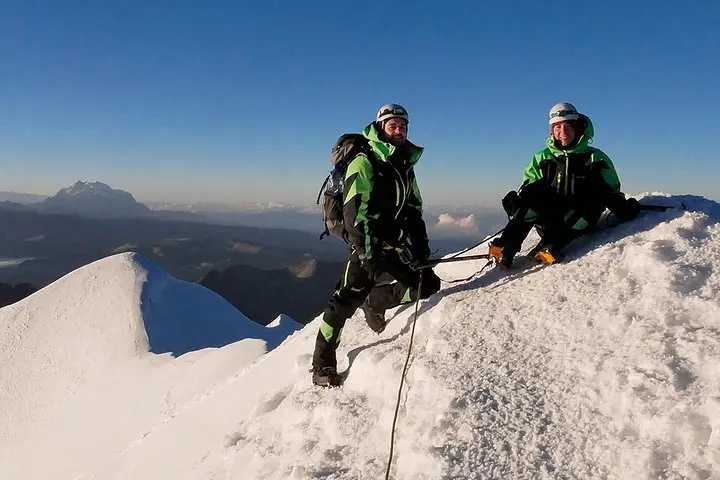
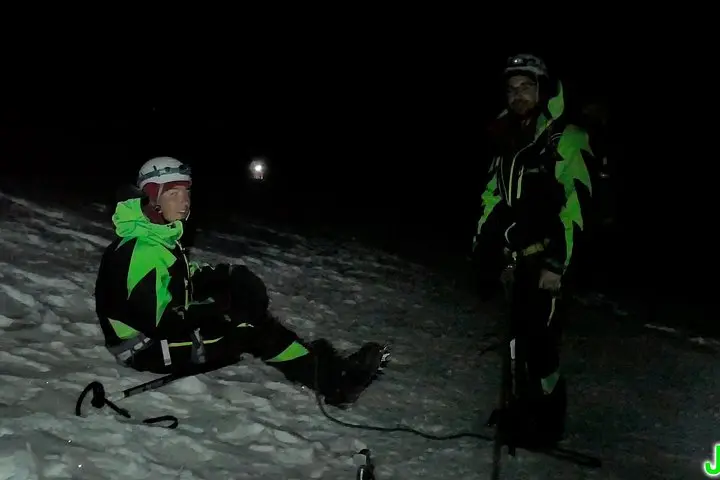
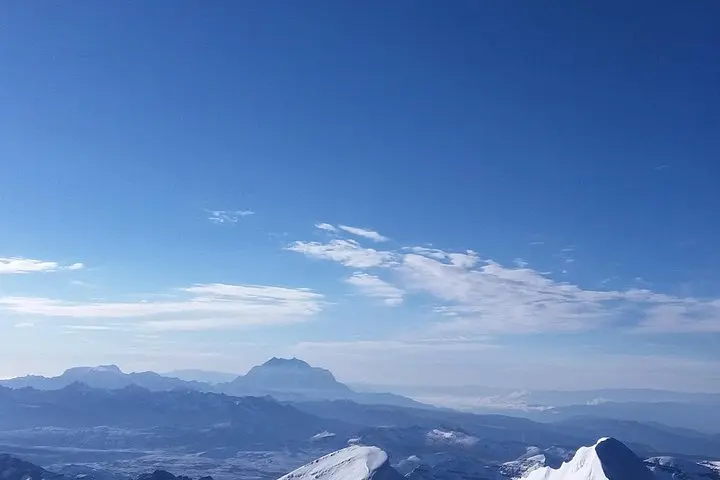
Before dawn, around 1:00 AM, the summit push begins. Lonely moments on the glacier-path demand focus and stamina. The climb steepens considerably near the top, with crampons and ice axes required to traverse icy faces and cracks. Short breaks to refuel with chocolate and water maintain your energy as you ascend. By sunrise, the summit reveals an expansive panorama: the jagged Cordillera Real stretching in every direction and glimpses of distant Lake Titicaca shimmering in the early light.
Descend takes careful attention, retracing about three to four hours back via the high camp to base. The return journey offers time to reflect on the alpine silence punctuated by cracking ice and the whispering wind. Vegetables soup and warming drinks refuel your body before the drive back to La Paz, arriving early afternoon.
Huayna Potosi’s history intertwines with Bolivian mountaineering, marking one of the first Andean peaks popularized for guided ascents. Its geological story speaks of glacial carving and tectonic uplift—a living record of the Andes’ restless formation.
For travelers, optimal planning involves layering clothing for rapidly changing mountain temperatures, carrying plenty of water, and ensuring your cardiovascular fitness to handle altitude stress. Guides provide essential technical equipment like crampons, harnesses, and helmets, but physical preparation is paramount.
The climb is not simply a physical feat—it’s an intimate dialogue with a mountain that dares climbers to push upward and rewards them with sweeping views that stretch on forever. It’s a high-altitude introduction to the Andes, accessible yet demanding, set against Bolivia’s stark and powerful landscapes.
No prior experience is required, but climbers should be physically fit and willing to learn technical glacier travel with guides.
The package includes private transport, base and high camp lodging, meals on the mountain, technical gear like crampons and harness, and guides.
Climbing is not recommended for those with heart or spinal conditions, pregnancy, or poor cardiovascular health.
The dry season from May to September offers the safest climbing conditions with clearer weather.
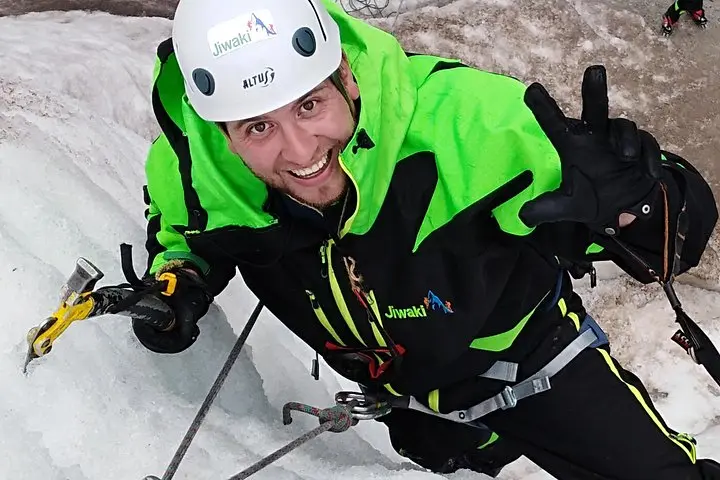
Steep sections require crampon and ice axe use. It’s challenging but achievable for fit beginners with guidance.
Cardiovascular endurance training and acclimatization to altitude improve success chances and reduce health risks.
Jiwaki operates guided outdoor trips and adventures with an emphasis on safety, stewardship, and memorable experiences.
Rising sharply from the altiplano, Huayna Potosi commands attention just 32 kilometers from La Paz, Bolivia’s bustling highland capital. At 6,088 meters, it crosses the coveted 6,000-meter threshold, offering climbers both a serious challenge and remarkable accessibility. This two-day climb is one of the most approachable 6000-meter peaks globally, attracting beginners who are fit and ready to confront high-altitude terrain with the support of experienced guides and technical gear.
Rising sharply from the altiplano, Huayna Potosi commands attention just 32 kilometers from La Paz, Bolivia’s bustling highland capital. At 6,088 meters, it crosses the coveted 6,000-meter threshold, offering climbers both a serious challenge and remarkable accessibility. This two-day climb is one of the most approachable 6000-meter peaks globally, attracting beginners who are fit and ready to confront high-altitude terrain with the support of experienced guides and technical gear.
Your journey begins from La Paz’s central office in Sagarnaga street at 9:00 AM, where private transport ferries you to the base camp perched at 4,700 meters. Here, the mountain’s rugged profile grows larger with every breath. Base camp serves as both acclimatization spot and staging ground. After lunch, the trek to the high camp at 5,170 meters lasts about two hours, carrying your gear through thin air and sharply angled slopes. The high camp hut is a modest refuge where hot drinks and a simple dinner prepare you for the early start ahead.
Before dawn, around 1:00 AM, the summit push begins. Lonely moments on the glacier-path demand focus and stamina. The climb steepens considerably near the top, with crampons and ice axes required to traverse icy faces and cracks. Short breaks to refuel with chocolate and water maintain your energy as you ascend. By sunrise, the summit reveals an expansive panorama: the jagged Cordillera Real stretching in every direction and glimpses of distant Lake Titicaca shimmering in the early light.
Descend takes careful attention, retracing about three to four hours back via the high camp to base. The return journey offers time to reflect on the alpine silence punctuated by cracking ice and the whispering wind. Vegetables soup and warming drinks refuel your body before the drive back to La Paz, arriving early afternoon.
Huayna Potosi’s history intertwines with Bolivian mountaineering, marking one of the first Andean peaks popularized for guided ascents. Its geological story speaks of glacial carving and tectonic uplift—a living record of the Andes’ restless formation.
For travelers, optimal planning involves layering clothing for rapidly changing mountain temperatures, carrying plenty of water, and ensuring your cardiovascular fitness to handle altitude stress. Guides provide essential technical equipment like crampons, harnesses, and helmets, but physical preparation is paramount.
The climb is not simply a physical feat—it’s an intimate dialogue with a mountain that dares climbers to push upward and rewards them with sweeping views that stretch on forever. It’s a high-altitude introduction to the Andes, accessible yet demanding, set against Bolivia’s stark and powerful landscapes.