THE ADVENTURE COLLECTIVE® · Independent discovery and booking for outdoor travel

Just 32 kilometers from La Paz, Huayna Potosi offers fit beginners the rare chance to summit a 6,000-meter peak with guided instruction and basic mountaineering skills. This three-day climb blends accessible technical challenges with awe-inspiring alpine scenery.
Just 32 kilometers from La Paz, Huayna Potosi offers fit beginners the rare chance to summit a 6,000-meter peak with guided instruction and basic mountaineering skills. This three-day climb blends accessible technical challenges with awe-inspiring alpine scenery.
Rising sharply from the Cordillera Real, Huayna Potosi commands attention not only for its striking, snow-capped silhouette but also for its accessibility less than 35 kilometers from La Paz. At 6,088 meters, it crosses the legendary 6,000-meter threshold, a milestone that feels less unattainable here, where the mountain dares even beginners to stand on its summit with the right preparation.
Verified experiences and guided adventures in the surrounding area.
Operated by Jiwaki · La Paz, La Paz
Rising sharply from the Cordillera Real, Huayna Potosi commands attention not only for its striking, snow-capped silhouette but also for its accessibility less than 35 kilometers from La Paz. At 6,088 meters, it crosses the legendary 6,000-meter threshold, a milestone that feels less unattainable here, where the mountain dares even beginners to stand on its summit with the right preparation.
Your three-day climb unfolds against a canvas of glacial spines and jagged ridges. The first day sets a crucial tone with an afternoon devoted to instruction and hands-on practice in ice climbing and basic mountaineering at Glacier Camp, approximately 4,900 meters above sea level. Here, crampons dig into ice that shimmers with temperamental light, while guides share technical know-how you’ll rely on above the clouds.
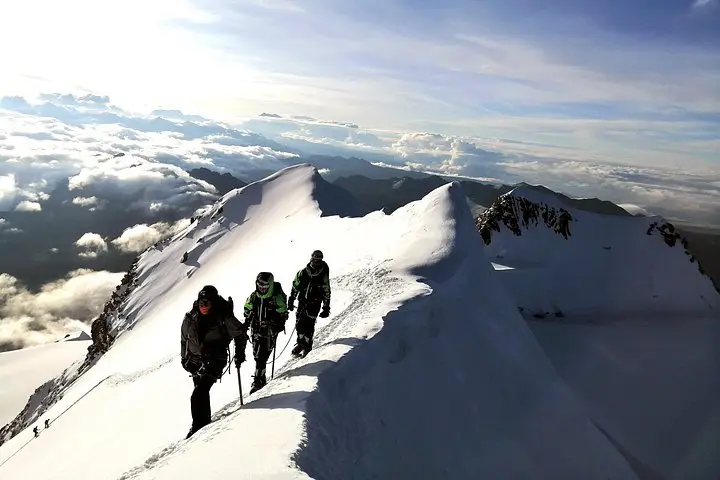
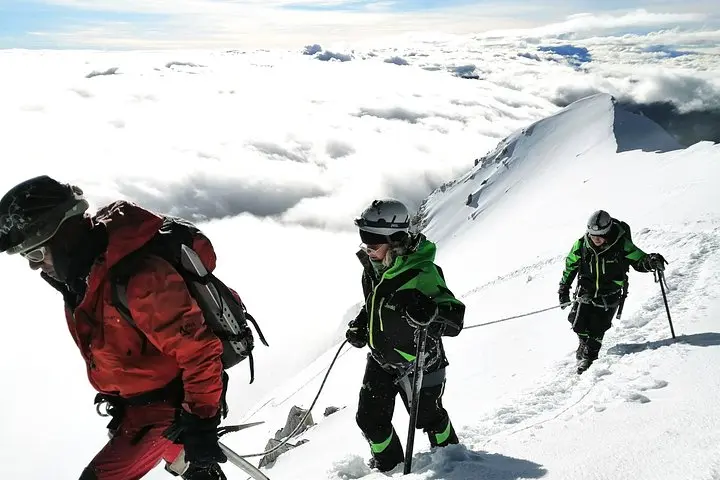
After an overnight rest at base camp, the second day pushes upward to high camp. The terrain turns steeper but predictable, with rocky outcrops giving way to snowfields that reflect the Andean sun like a mirror. The slow rhythm of climbing—step, crunch, breathe—prepares your body for the summit push.
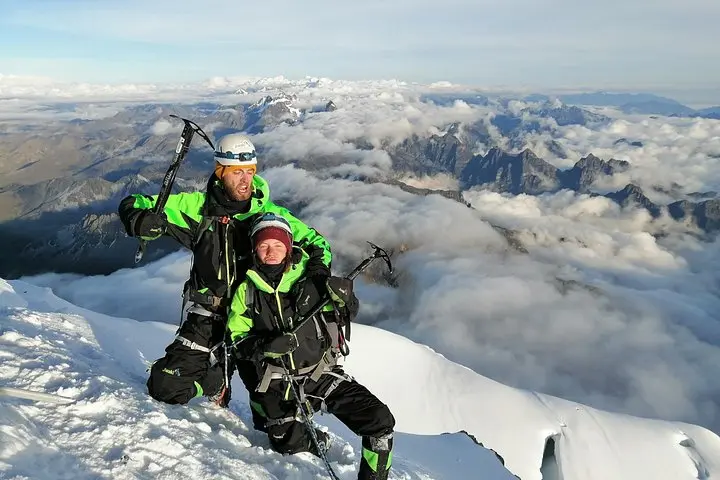
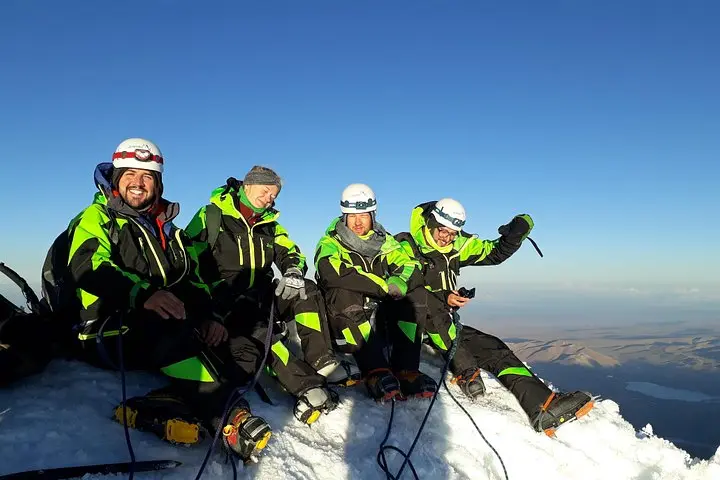
Day three is a summit day carved by altitude and determination. The climb begins in the darkness before dawn, with sharpened focus on each foothold as the mountain whispers its challenge. Above 5,500 meters, the air thins and the wind grows assertive, pushing climbers toward the pinnacle. Reaching the summit rewards with panoramas that stretch from the snow-smoothed peaks of the Cordillera to the sprawling altiplano below. The descent returns you to La Paz, carrying both the physical wear and an unshakable sense of achievement.
Huayna Potosi’s geology tells of a young, active mountain range formed by the ongoing collision of the Nazca and South American plates. Its glaciers, though retreating, remain imposing, framing the climb with stark contrasts of ice and rock.
For travelers eyeing this peak, acclimatization in La Paz or nearby is essential. The guides supply all technical gear—from harnesses to ice axes—and provide a ratio of one guide for every two climbers, ensuring safety along the route. The climb is challenging but well within reach for fit beginners.
Sturdy boots with good ankle support, layered clothing to adjust to rapid weather shifts, and proper hydration strategies are all non-negotiable. Peak season runs May through September when conditions are most stable.
This journey is as much a lesson in high-altitude endurance as it is a test of mountaineering basics, offering a rare trophy: the chance to summit a glacier-polished peak towering over 6,000 meters without requiring expert technical skills.
In essence, Huayna Potosi stands as Bolivia’s accessible Everest—a proving ground where nature’s imposing presence meets pragmatic preparation, inviting those willing to engage fully with this Andean giant.
Yes, with good acclimatization and under professional guidance, beginners can complete the climb safely.
Equipment rental, private transportation, meals during the tour, and a 1:2 guide-to-client ratio are included.
The dry season from May to September offers the most stable weather for climbing.
The climb involves basic ice climbing and glacier travel techniques taught on day one; no prior experience is required.
A moderate to high fitness level is recommended; cardiovascular health is important due to altitude and steep sections.
All technical equipment including boots, crampons, harness, and ice axes are provided by the operator.
Jiwaki operates guided outdoor trips and adventures with an emphasis on safety, stewardship, and memorable experiences.
Rising sharply from the Cordillera Real, Huayna Potosi commands attention not only for its striking, snow-capped silhouette but also for its accessibility less than 35 kilometers from La Paz. At 6,088 meters, it crosses the legendary 6,000-meter threshold, a milestone that feels less unattainable here, where the mountain dares even beginners to stand on its summit with the right preparation.
Rising sharply from the Cordillera Real, Huayna Potosi commands attention not only for its striking, snow-capped silhouette but also for its accessibility less than 35 kilometers from La Paz. At 6,088 meters, it crosses the legendary 6,000-meter threshold, a milestone that feels less unattainable here, where the mountain dares even beginners to stand on its summit with the right preparation.
Your three-day climb unfolds against a canvas of glacial spines and jagged ridges. The first day sets a crucial tone with an afternoon devoted to instruction and hands-on practice in ice climbing and basic mountaineering at Glacier Camp, approximately 4,900 meters above sea level. Here, crampons dig into ice that shimmers with temperamental light, while guides share technical know-how you’ll rely on above the clouds.
After an overnight rest at base camp, the second day pushes upward to high camp. The terrain turns steeper but predictable, with rocky outcrops giving way to snowfields that reflect the Andean sun like a mirror. The slow rhythm of climbing—step, crunch, breathe—prepares your body for the summit push.
Day three is a summit day carved by altitude and determination. The climb begins in the darkness before dawn, with sharpened focus on each foothold as the mountain whispers its challenge. Above 5,500 meters, the air thins and the wind grows assertive, pushing climbers toward the pinnacle. Reaching the summit rewards with panoramas that stretch from the snow-smoothed peaks of the Cordillera to the sprawling altiplano below. The descent returns you to La Paz, carrying both the physical wear and an unshakable sense of achievement.
Huayna Potosi’s geology tells of a young, active mountain range formed by the ongoing collision of the Nazca and South American plates. Its glaciers, though retreating, remain imposing, framing the climb with stark contrasts of ice and rock.
For travelers eyeing this peak, acclimatization in La Paz or nearby is essential. The guides supply all technical gear—from harnesses to ice axes—and provide a ratio of one guide for every two climbers, ensuring safety along the route. The climb is challenging but well within reach for fit beginners.
Sturdy boots with good ankle support, layered clothing to adjust to rapid weather shifts, and proper hydration strategies are all non-negotiable. Peak season runs May through September when conditions are most stable.
This journey is as much a lesson in high-altitude endurance as it is a test of mountaineering basics, offering a rare trophy: the chance to summit a glacier-polished peak towering over 6,000 meters without requiring expert technical skills.
In essence, Huayna Potosi stands as Bolivia’s accessible Everest—a proving ground where nature’s imposing presence meets pragmatic preparation, inviting those willing to engage fully with this Andean giant.