THE ADVENTURE COLLECTIVE® · Independent discovery and booking for outdoor travel

Take on the demanding Machame Route in a 7-day climb up Kilimanjaro, navigating diverse landscapes from dense rainforest to alpine desert. Discover practical tips, terrain insights, and what to expect on Africa’s tallest peak.
Take on the demanding Machame Route in a 7-day climb up Kilimanjaro, navigating diverse landscapes from dense rainforest to alpine desert. Discover practical tips, terrain insights, and what to expect on Africa’s tallest peak.
The morning air at Machame Gate is crisp and carries the scent of damp earth and pine as the Machame Route beckons climbers to Africa’s roof. Known as the "Whiskey Route," this path is both a challenge and a showcase of Kilimanjaro’s shifting ecosystems—from lush rainforests to barren alpine deserts. Over seven days, trekkers ascend through dense moss-draped forests, skirt jagged obsidian rocks of the Shira Plateau, and push above 18,000 feet under a sky that seems closer with every step. By night, camps like Machame, Shira Caves, and Barranco offer resting points where the mountain’s vast silhouette dominates the horizon.
Verified experiences and guided adventures in the surrounding area.
Operated by Gifted African Adventures · Arusha, Arusha Region
The morning air at Machame Gate is crisp and carries the scent of damp earth and pine as the Machame Route beckons climbers to Africa’s roof. Known as the "Whiskey Route," this path is both a challenge and a showcase of Kilimanjaro’s shifting ecosystems—from lush rainforests to barren alpine deserts. Over seven days, trekkers ascend through dense moss-draped forests, skirt jagged obsidian rocks of the Shira Plateau, and push above 18,000 feet under a sky that seems closer with every step. By night, camps like Machame, Shira Caves, and Barranco offer resting points where the mountain’s vast silhouette dominates the horizon.
This route's steep inclines and rugged terrain demand both physical readiness and mental grit. Each stage is a calculated balance of altitude gain and acclimatization, with daily distances ranging from 4 to 11 kilometers. The ascent begins at 1,640 meters, winding through the rainforest where towering trees whisper ancient secrets. As you climb to the Shira Plateau, the moorland lobelias and stark lava formations reveal Kilimanjaro’s volcanic past. The formidable Barranco Wall tests climbers with near-vertical scrambles before leading into the karstic valleys under the watchful glaciers of Kibo.
Historically, Kilimanjaro’s routes served as trade and migration paths for local Chagga communities, who revered the mountain as a spiritual home. Today, the Machame Route is favored for its scenic diversity and sense of solitude compared to busier paths.
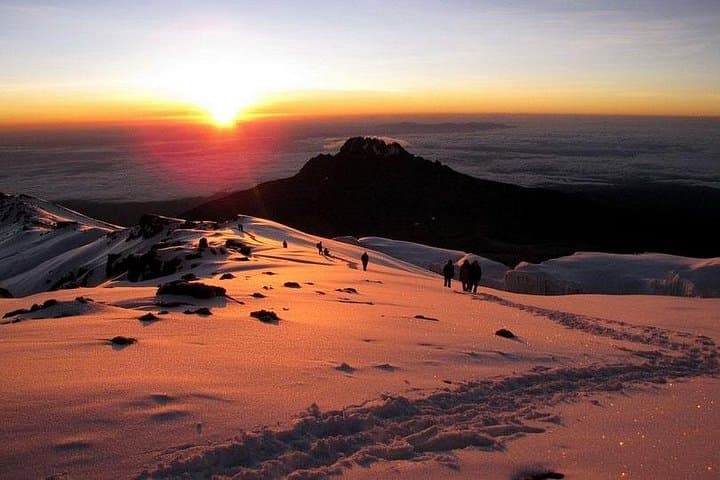
Summit day demands a nocturnal start around 11pm. Climbers brave the freezing, oxygen-thin air to reach Uhuru Peak by dawn, rewarded with panoramic views over Tanzania’s plains. Descending through the same challenging sections to Mweka Camp, trekkers complete a full-circle encounter with the mountain’s multifaceted personality.
For those planning this expedition, expect 5-7 hours of daily trekking over varied ground—muddy forest trails, rocky scree, and alpine desert. Weather can change dramatically; layering is essential. Hydration and altitude acclimatization strategies are vital to tackle the rigorous climb safely. Guides and porters play a crucial role, supporting logistics and safety along the way.
This seven-day adventure not only tests endurance but immerses travelers in a geological marvel where nature’s forces continually shape the landscape. The Machame Route promises a raw, striking, and thoroughly rewarding climb to Kilimanjaro’s summit, a lifetime achievement forged by persistence and awe.
It is considered more challenging due to steep ascents and longer daily distances but offers outstanding scenery and better acclimatization opportunities compared to some routes.
June to October and January to February are ideal for dry, clear conditions and lower chances of rain.
While helpful, it is not mandatory. A high fitness level and proper acclimatization are crucial for success.
Kilimanjaro regulations mandate the use of a certified guide for safety and environmental reasons.
Climbers stay in tented camps equipped with meals and basic sleeping facilities, supported by porters and guides.
Altitude sickness is a serious concern; symptoms range from mild headaches to severe conditions. Proper acclimatization, slow pace, and hydration reduce risks.
Gifted African Adventures operates guided outdoor trips and adventures with an emphasis on safety, stewardship, and memorable experiences.

The morning air at Machame Gate is crisp and carries the scent of damp earth and pine as the Machame Route beckons climbers to Africa’s roof. Known as the "Whiskey Route," this path is both a challenge and a showcase of Kilimanjaro’s shifting ecosystems—from lush rainforests to barren alpine deserts. Over seven days, trekkers ascend through dense moss-draped forests, skirt jagged obsidian rocks of the Shira Plateau, and push above 18,000 feet under a sky that seems closer with every step. By night, camps like Machame, Shira Caves, and Barranco offer resting points where the mountain’s vast silhouette dominates the horizon.
The morning air at Machame Gate is crisp and carries the scent of damp earth and pine as the Machame Route beckons climbers to Africa’s roof. Known as the "Whiskey Route," this path is both a challenge and a showcase of Kilimanjaro’s shifting ecosystems—from lush rainforests to barren alpine deserts. Over seven days, trekkers ascend through dense moss-draped forests, skirt jagged obsidian rocks of the Shira Plateau, and push above 18,000 feet under a sky that seems closer with every step. By night, camps like Machame, Shira Caves, and Barranco offer resting points where the mountain’s vast silhouette dominates the horizon.
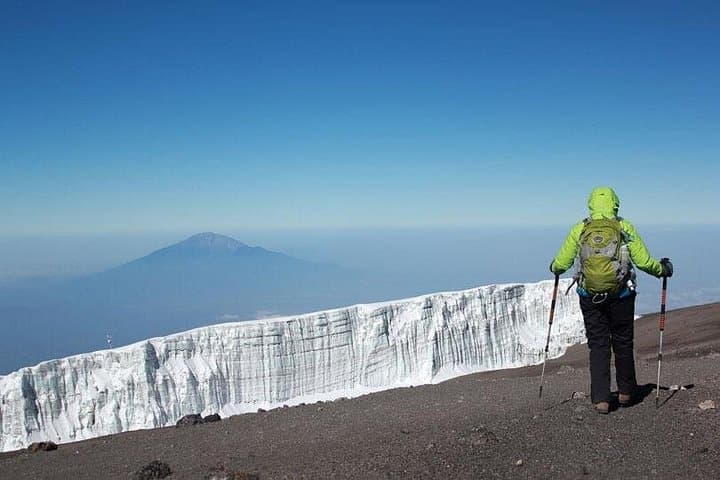
This route's steep inclines and rugged terrain demand both physical readiness and mental grit. Each stage is a calculated balance of altitude gain and acclimatization, with daily distances ranging from 4 to 11 kilometers. The ascent begins at 1,640 meters, winding through the rainforest where towering trees whisper ancient secrets. As you climb to the Shira Plateau, the moorland lobelias and stark lava formations reveal Kilimanjaro’s volcanic past. The formidable Barranco Wall tests climbers with near-vertical scrambles before leading into the karstic valleys under the watchful glaciers of Kibo.
Historically, Kilimanjaro’s routes served as trade and migration paths for local Chagga communities, who revered the mountain as a spiritual home. Today, the Machame Route is favored for its scenic diversity and sense of solitude compared to busier paths.
Summit day demands a nocturnal start around 11pm. Climbers brave the freezing, oxygen-thin air to reach Uhuru Peak by dawn, rewarded with panoramic views over Tanzania’s plains. Descending through the same challenging sections to Mweka Camp, trekkers complete a full-circle encounter with the mountain’s multifaceted personality.
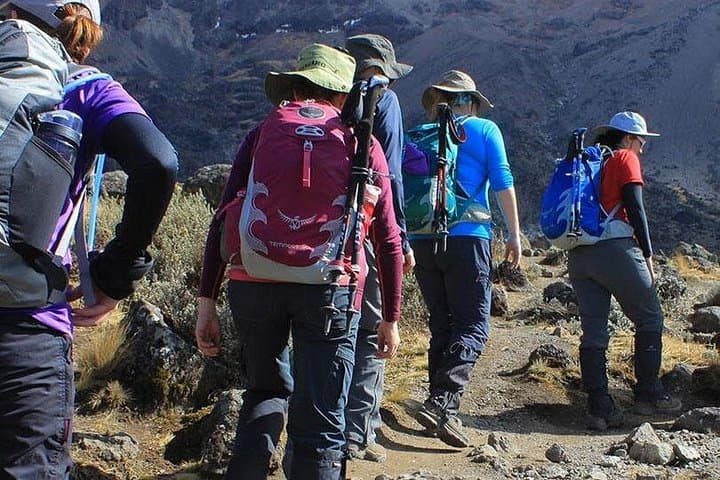
For those planning this expedition, expect 5-7 hours of daily trekking over varied ground—muddy forest trails, rocky scree, and alpine desert. Weather can change dramatically; layering is essential. Hydration and altitude acclimatization strategies are vital to tackle the rigorous climb safely. Guides and porters play a crucial role, supporting logistics and safety along the way.
This seven-day adventure not only tests endurance but immerses travelers in a geological marvel where nature’s forces continually shape the landscape. The Machame Route promises a raw, striking, and thoroughly rewarding climb to Kilimanjaro’s summit, a lifetime achievement forged by persistence and awe.