THE ADVENTURE COLLECTIVE® · Independent discovery and booking for outdoor travel

The Rongai Route ascends Mount Kilimanjaro's northern slopes over six days, offering a gradual climb through diverse ecosystems and stunning vistas. Quieter than other paths, this trek balances accessibility with adventure, culminating in a rewarding summit experience.
The Rongai Route ascends Mount Kilimanjaro's northern slopes over six days, offering a gradual climb through diverse ecosystems and stunning vistas. Quieter than other paths, this trek balances accessibility with adventure, culminating in a rewarding summit experience.
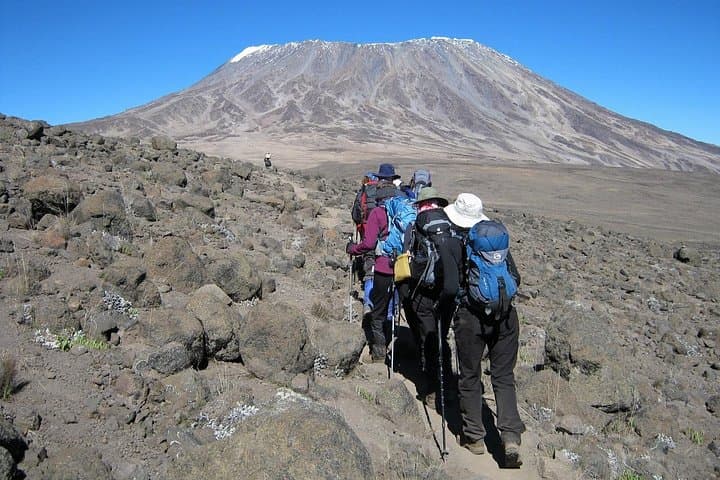
At dawn, the Rongai trailhead stirs beneath the rising sun, its northern face awakening with the low hum of rustling cornfields edged by tall pines. Here, on the quieter flank of Africa’s highest peak, the mountain beckons with a more gentle approach — one that rewards trekkers with steadily unfolding landscapes and a high success rate on the summit. The Rongai Route skirts the Kenyan border, climbing gradually from 1,950 meters, making it one of the most accessible, shaded paths through Kilimanjaro’s shifting ecological zones.
Verified experiences and guided adventures in the surrounding area.
Operated by Rupia Adventure · Arusha, Arusha Region
At dawn, the Rongai trailhead stirs beneath the rising sun, its northern face awakening with the low hum of rustling cornfields edged by tall pines. Here, on the quieter flank of Africa’s highest peak, the mountain beckons with a more gentle approach — one that rewards trekkers with steadily unfolding landscapes and a high success rate on the summit. The Rongai Route skirts the Kenyan border, climbing gradually from 1,950 meters, making it one of the most accessible, shaded paths through Kilimanjaro’s shifting ecological zones.
From the outset, climbers feel the pulse of wilderness shift: tropical farmland gives way to dense forest populated by giant lobelias and soaring yellow senecios. Wildlife is discreet but present; troops of Colobus monkeys may dart across branches, as chirps from hill babblers punctuate the air. Geologically, this side of Kilimanjaro reveals volcanic layers formed over hundreds of thousands of years, culminating in the flat-topped Kibo crater that dominates the summit skyline.
The route unfolds over six days, each night spent camping beneath a sky that sharply cools once the sun dips. Unlike the hut accommodations on the more crowded Marangu path, here the porter team pre-sets sturdy tents — a mobile base hidden among the mountain’s foothills. Day one gently raises you into pine forests leading to Simba Camp (2,600 m), where heat from the campfire and warm meals prepare you for the challenges ahead.
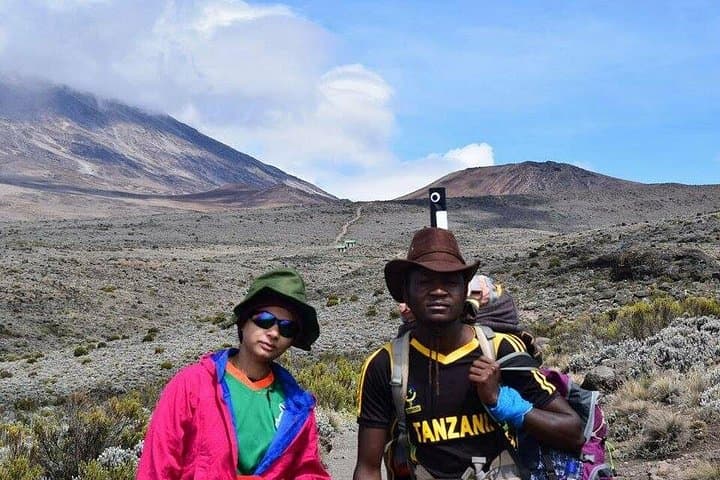
Ascending to Kikelewa Cave at 3,600 meters exposes hikers to sweeping mountain vistas and moorland dotted with surreal plant formations – landscapes that invite both reflection and steady breathing. The subsequent climb to Mawenzi Tarn Camp (4,330 m) confronts trekkers with alpine desert conditions and jagged maw of Mawenzi’s peaks, demanding focus and acclimatization.
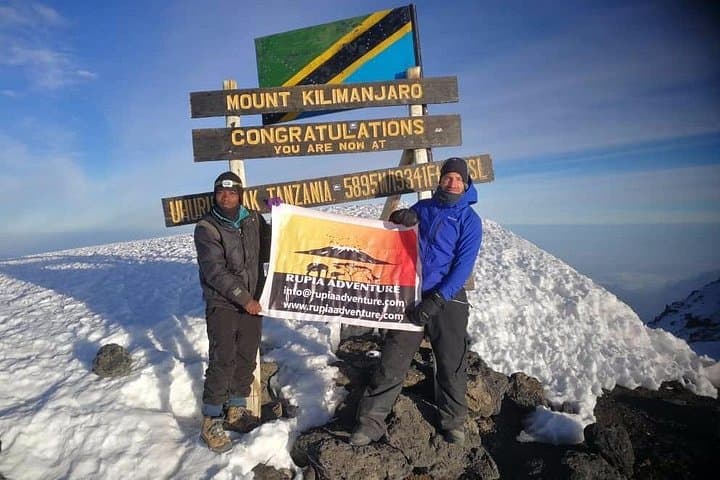
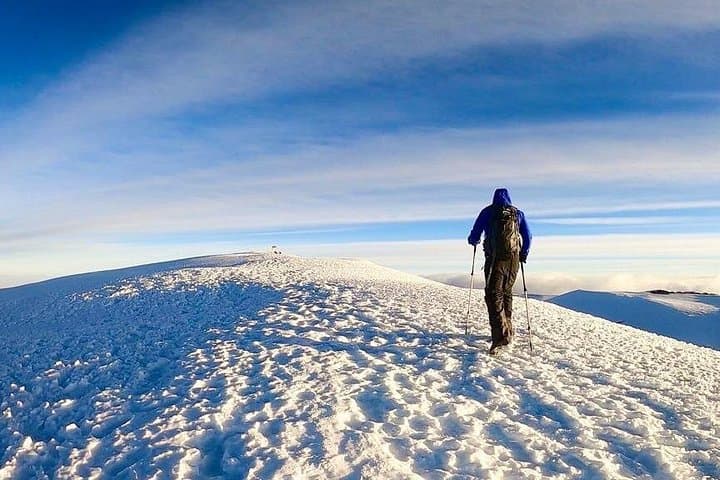
The fifth-day summit push begins before midnight, threading through rocky slopes to the crest of Kibo, then onward onto snow-tracked ridges. The final ascent to Uhuru Peak (5,895 m) tests grit in the thin air, but rewards with panoramas stretching across Tanzania’s plains and the distant Serengeti.
Upon descent via the Marangu route, celebrations erupt at Horombo Hut, culminating with certificates that commemorate the achievement. This journey requires steady fitness, patience, and respect for the mountain’s changing moods—its forests daring you forward, the winds pushing and pulling, the silence beneath the stars a companion in determination.
Practical considerations include layered clothing for temperature swings, hydration strategies against altitude dehydration, and sturdy boots tailored to uneven, rocky paths. The Rongai Route’s slower pace and quieter trail offer a rewarding balance of adventure and accessibility for those seeking a less trodden path to Kilimanjaro's summit.
The Rongai Route is considered one of the easier, more gradual climbs, with a high summit success rate and less crowded paths compared to Marangu or Machame.
June to October and January to March offer the best weather with dry, clear conditions ideal for climbing.
This route uses tented camps, with porters setting up camp and preparing meals, unlike the hut system on some other Kilimanjaro routes.
You may spot Colobus monkeys, blue monkeys, and a variety of bird species native to Kilimanjaro’s forests and moorlands.
Yes, although the gradual ascent helps, altitude sickness remains a risk and climbers should acclimatize carefully and be alert to symptoms.
Yes, climbers must register with Tanzania National Parks (TANAPA) and pay park entrance and camping fees as part of the tour package.
Rupia Adventure operates guided outdoor trips and adventures with an emphasis on safety, stewardship, and memorable experiences.
At dawn, the Rongai trailhead stirs beneath the rising sun, its northern face awakening with the low hum of rustling cornfields edged by tall pines. Here, on the quieter flank of Africa’s highest peak, the mountain beckons with a more gentle approach — one that rewards trekkers with steadily unfolding landscapes and a high success rate on the summit. The Rongai Route skirts the Kenyan border, climbing gradually from 1,950 meters, making it one of the most accessible, shaded paths through Kilimanjaro’s shifting ecological zones.
At dawn, the Rongai trailhead stirs beneath the rising sun, its northern face awakening with the low hum of rustling cornfields edged by tall pines. Here, on the quieter flank of Africa’s highest peak, the mountain beckons with a more gentle approach — one that rewards trekkers with steadily unfolding landscapes and a high success rate on the summit. The Rongai Route skirts the Kenyan border, climbing gradually from 1,950 meters, making it one of the most accessible, shaded paths through Kilimanjaro’s shifting ecological zones.
From the outset, climbers feel the pulse of wilderness shift: tropical farmland gives way to dense forest populated by giant lobelias and soaring yellow senecios. Wildlife is discreet but present; troops of Colobus monkeys may dart across branches, as chirps from hill babblers punctuate the air. Geologically, this side of Kilimanjaro reveals volcanic layers formed over hundreds of thousands of years, culminating in the flat-topped Kibo crater that dominates the summit skyline.
The route unfolds over six days, each night spent camping beneath a sky that sharply cools once the sun dips. Unlike the hut accommodations on the more crowded Marangu path, here the porter team pre-sets sturdy tents — a mobile base hidden among the mountain’s foothills. Day one gently raises you into pine forests leading to Simba Camp (2,600 m), where heat from the campfire and warm meals prepare you for the challenges ahead.
Ascending to Kikelewa Cave at 3,600 meters exposes hikers to sweeping mountain vistas and moorland dotted with surreal plant formations – landscapes that invite both reflection and steady breathing. The subsequent climb to Mawenzi Tarn Camp (4,330 m) confronts trekkers with alpine desert conditions and jagged maw of Mawenzi’s peaks, demanding focus and acclimatization.
The fifth-day summit push begins before midnight, threading through rocky slopes to the crest of Kibo, then onward onto snow-tracked ridges. The final ascent to Uhuru Peak (5,895 m) tests grit in the thin air, but rewards with panoramas stretching across Tanzania’s plains and the distant Serengeti.
Upon descent via the Marangu route, celebrations erupt at Horombo Hut, culminating with certificates that commemorate the achievement. This journey requires steady fitness, patience, and respect for the mountain’s changing moods—its forests daring you forward, the winds pushing and pulling, the silence beneath the stars a companion in determination.
Practical considerations include layered clothing for temperature swings, hydration strategies against altitude dehydration, and sturdy boots tailored to uneven, rocky paths. The Rongai Route’s slower pace and quieter trail offer a rewarding balance of adventure and accessibility for those seeking a less trodden path to Kilimanjaro's summit.