THE ADVENTURE COLLECTIVE® · Independent discovery and booking for outdoor travel

The Lemosho route on Mount Kilimanjaro offers a strategic, less crowded path to Africa’s tallest peak. This eight-day climb unveils diverse ecosystems and tests resilience with a gradual altitude gain that prepares adventurers for a breathtaking summit at Uhuru Peak.
The Lemosho route on Mount Kilimanjaro offers a strategic, less crowded path to Africa’s tallest peak. This eight-day climb unveils diverse ecosystems and tests resilience with a gradual altitude gain that prepares adventurers for a breathtaking summit at Uhuru Peak.
The dawn breaks over Moshi, a lively town at the foothills of Africa’s tallest free-standing mountain. Here, the Lemosho route on Mount Kilimanjaro beckons climbers with a blend of quiet forests, rugged moorlands, and sweeping alpine desert. Unlike the busier Machame and Marangu paths, Lemosho offers a less-trodden approach on the western flank, unfolding over eight days of steady gain in altitude and perspective.
Verified experiences and guided adventures in the surrounding area.
Operated by Kilimanjaro Trekking Mate · Moshi, Kilimanjaro
The dawn breaks over Moshi, a lively town at the foothills of Africa’s tallest free-standing mountain. Here, the Lemosho route on Mount Kilimanjaro beckons climbers with a blend of quiet forests, rugged moorlands, and sweeping alpine desert. Unlike the busier Machame and Marangu paths, Lemosho offers a less-trodden approach on the western flank, unfolding over eight days of steady gain in altitude and perspective.
Starting at Londorosi gate (1,200 meters), adventurers enter a montane forest where giant figs and camphor trees reach skyward and shy colobus monkeys announce your arrival. The trail rises gently through a green cathedral, inviting limbs to adjust gradually to thinner air. Progressing into the Shira plateau around 3,500 meters, hikers encounter a volcanic caldera—an expansive, weathered bowl that still echoes the mountain's fiery origins.
Shira one to Shira two camps marks a delicate balance of acclimatization and exploration, passing moorlands dotted with heathland and rare alpine flowers. Cathedral Peak, at 3,850 meters, offers a vantage point revealing Kilimanjaro’s layered geology and neighboring Mt. Meru’s volcanic silhouette. The terrain shifts from soft soil to scree and rocky pathways, with winds that challenge each step.
Crossing to Barranco campsite, the well-known Barranco Wall is both a mental and physical test, a steep face requiring care and determination. At roughly 4,200 meters, this natural barrier dares climbers to push beyond comfort zones. The ascent continues to Karanga campsite and eventually Barafu camp at 4,620 meters where the final summit push waits under cold alpine skies.
Summit day begins past midnight, when the cold desert air is thick with anticipation. A slow climb through scree and ice leads to Stella Point on the crater rim just before sunrise. Here, the orange horizon unfurls over the glaciers and the crater itself, a reminder of Kilimanjaro’s volatile history. The final stretch to Uhuru Peak at 5,895 meters rewards effort with a panoramic view spanning Tanzania's plains and even distant Kenya.
Descending follows the Mweka route, sweeping down lush montane forest, guiding exhausted bodies back toward Moshi’s embrace.
The Lemosho route's appeal lies not only in the summit but also in its layered ecosystems, gradual altitude gain, and the cultural backdrop of the Chagga people who live around Kilimanjaro’s base. This expedition demands moderate to high fitness and preparation for high-altitude conditions, but it also ensures an immersive encounter with one of Earth’s great peaks.
Pack layered clothing capable of handling temperature swings from tropical heat to alpine cold, and break in durable boots. Hydration and pace are key: the mountain’s personality shifts from patient guardian to fierce challenger, pushing climbers to a summit earned through respect and endurance.
The dry seasons from late June to October and from late December to February offer the best weather windows for climbing with clearer skies and less rainfall.
No technical climbing skills are needed, but good fitness and trekking experience are highly recommended.
Lemosho is considered moderate to challenging due to its length and altitude gain but is preferred for gradual acclimatization and scenic variety.
Climbing requires permits issued by Kilimanjaro National Park, which are included in organized climbing packages.
Yes, there are rental shops in Moshi offering trekking gear, but bringing quality personal equipment is advisable for comfort and reliability.
The itinerary includes acclimatization days and slow ascent pace, and guides carry oxygen and first aid supplies to help manage symptoms if they arise.
Kilimanjaro Trekking Mate operates guided outdoor trips and adventures with an emphasis on safety, stewardship, and memorable experiences.
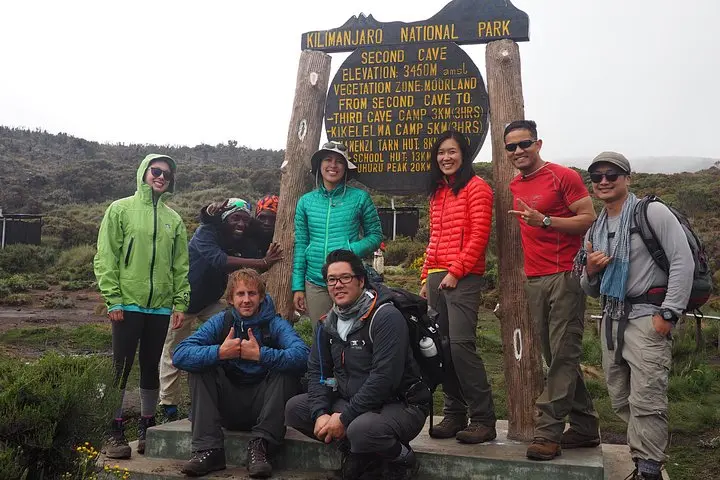
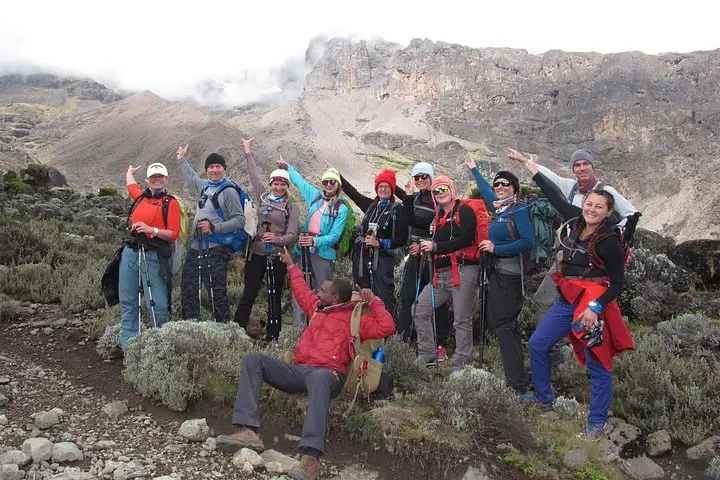
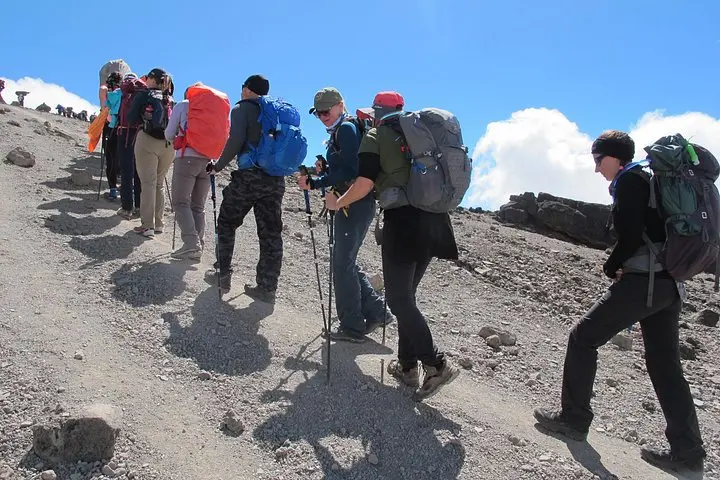
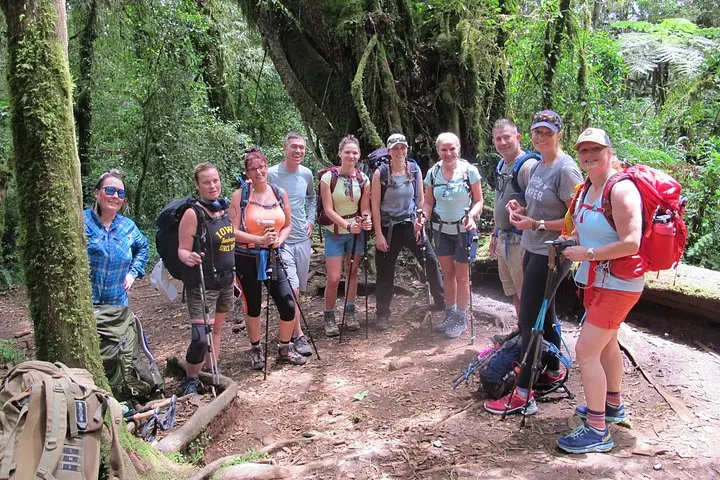
The dawn breaks over Moshi, a lively town at the foothills of Africa’s tallest free-standing mountain. Here, the Lemosho route on Mount Kilimanjaro beckons climbers with a blend of quiet forests, rugged moorlands, and sweeping alpine desert. Unlike the busier Machame and Marangu paths, Lemosho offers a less-trodden approach on the western flank, unfolding over eight days of steady gain in altitude and perspective.
The dawn breaks over Moshi, a lively town at the foothills of Africa’s tallest free-standing mountain. Here, the Lemosho route on Mount Kilimanjaro beckons climbers with a blend of quiet forests, rugged moorlands, and sweeping alpine desert. Unlike the busier Machame and Marangu paths, Lemosho offers a less-trodden approach on the western flank, unfolding over eight days of steady gain in altitude and perspective.
Starting at Londorosi gate (1,200 meters), adventurers enter a montane forest where giant figs and camphor trees reach skyward and shy colobus monkeys announce your arrival. The trail rises gently through a green cathedral, inviting limbs to adjust gradually to thinner air. Progressing into the Shira plateau around 3,500 meters, hikers encounter a volcanic caldera—an expansive, weathered bowl that still echoes the mountain's fiery origins.
Shira one to Shira two camps marks a delicate balance of acclimatization and exploration, passing moorlands dotted with heathland and rare alpine flowers. Cathedral Peak, at 3,850 meters, offers a vantage point revealing Kilimanjaro’s layered geology and neighboring Mt. Meru’s volcanic silhouette. The terrain shifts from soft soil to scree and rocky pathways, with winds that challenge each step.
Crossing to Barranco campsite, the well-known Barranco Wall is both a mental and physical test, a steep face requiring care and determination. At roughly 4,200 meters, this natural barrier dares climbers to push beyond comfort zones. The ascent continues to Karanga campsite and eventually Barafu camp at 4,620 meters where the final summit push waits under cold alpine skies.
Summit day begins past midnight, when the cold desert air is thick with anticipation. A slow climb through scree and ice leads to Stella Point on the crater rim just before sunrise. Here, the orange horizon unfurls over the glaciers and the crater itself, a reminder of Kilimanjaro’s volatile history. The final stretch to Uhuru Peak at 5,895 meters rewards effort with a panoramic view spanning Tanzania's plains and even distant Kenya.
Descending follows the Mweka route, sweeping down lush montane forest, guiding exhausted bodies back toward Moshi’s embrace.
The Lemosho route's appeal lies not only in the summit but also in its layered ecosystems, gradual altitude gain, and the cultural backdrop of the Chagga people who live around Kilimanjaro’s base. This expedition demands moderate to high fitness and preparation for high-altitude conditions, but it also ensures an immersive encounter with one of Earth’s great peaks.
Pack layered clothing capable of handling temperature swings from tropical heat to alpine cold, and break in durable boots. Hydration and pace are key: the mountain’s personality shifts from patient guardian to fierce challenger, pushing climbers to a summit earned through respect and endurance.