THE ADVENTURE COLLECTIVE® · Independent discovery and booking for outdoor travel

Walk the slope where a Boer fort became a detention center and today houses South Africa’s Constitutional Court. This two‑hour guided tour combines courtroom architecture, prison cells and contemporary South African art to trace the country’s legal and social transformation.
Walk the slope where a Boer fort became a detention center and today houses South Africa’s Constitutional Court. This two‑hour guided tour combines courtroom architecture, prison cells and contemporary South African art to trace the country’s legal and social transformation.
You step off the air‑conditioned vehicle into a hard city light and the low, iron-framed silhouettes of old cellblocks. Constitutional Hill sits on a rise above Braamfontein; the noise of passing traffic recedes as the precinct’s walls and walkways demand attention.
Verified experiences and guided adventures in the surrounding area.
Operated by Kasi Africa Safari & Tours · Johannesburg, Gauteng
You step off the air‑conditioned vehicle into a hard city light and the low, iron-framed silhouettes of old cellblocks. Constitutional Hill sits on a rise above Braamfontein; the noise of passing traffic recedes as the precinct’s walls and walkways demand attention.
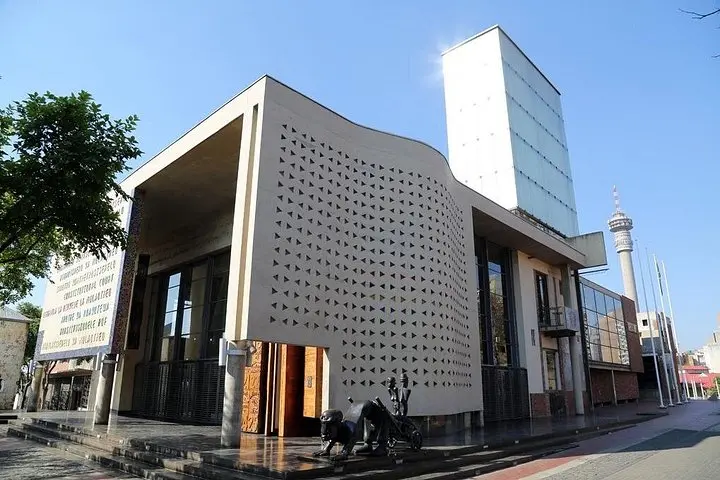
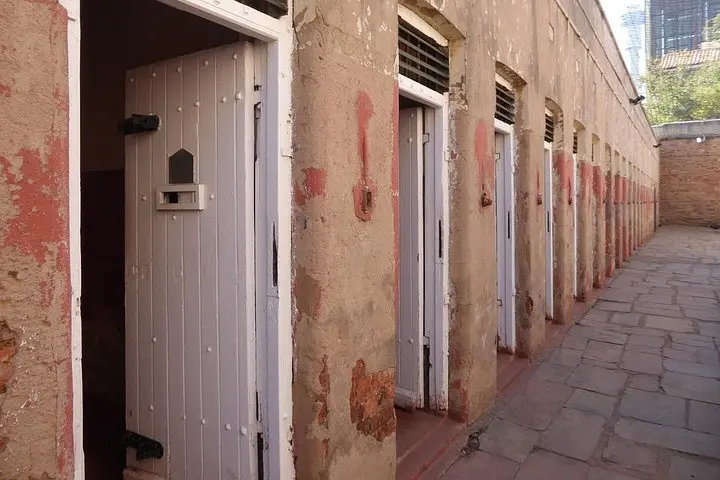
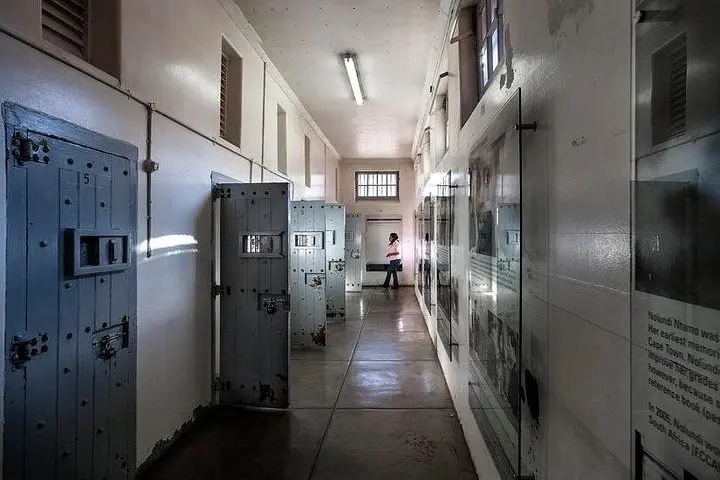
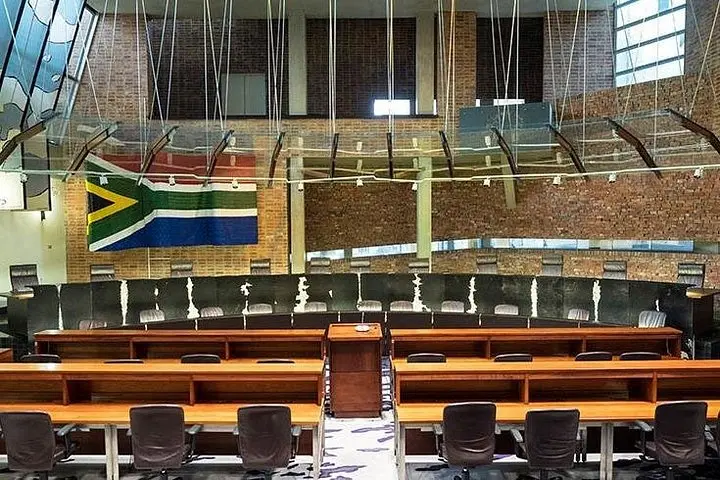
The site began as a late‑19th‑century fort built under Paul Kruger, later converted into municipal and political detention facilities used through the apartheid era. Those layers of history are visible in brick, metal and courtroom architecture: from crude prison cells that once held activists to the modern Constitutional Court where nine judges now deliberate on South Africa’s rights and laws. The precinct also houses more than 200 pieces of South African art that frame legal and social narratives.
Geology here is urban — reclaimed quarry stone and compacted earth underfoot — but the hill’s elevation gives a clear sense of place in Johannesburg’s fabric. Cultural context is immediate: guides link built fabric to biographies of detainees, trials and the country’s democratic transition.
Practical guidance: this is a two‑hour, low‑impact walking tour suitable for most fitness levels; many paths are paved but wear comfortable shoes. Bring photo discretion — some areas restrict photography — and carry ID for entrance. Mornings are cooler and less busy; bottled water is provided but a refillable bottle is handy. Expect emotional exhibits: allow time to read plaques and view courtroom spaces quietly. The tour balances civic history with tangible, human stories — an accessible, grounding introduction to South Africa’s constitutional journey.
The tour lasts approximately two hours and includes guided access to the precinct and court viewing areas.
Yes—Constitutional Hill has accessible routes and the tour notes wheelchair access; confirm any specific needs when booking.
Yes; this tour includes entrance fees to Constitutional Hill as stated in the itinerary.
Photography is restricted in certain areas; your guide will point out where photos are allowed and where discretion is required.
Kasi Africa Safari & Tours operates guided outdoor trips and adventures with an emphasis on safety, stewardship, and memorable experiences.
You step off the air‑conditioned vehicle into a hard city light and the low, iron-framed silhouettes of old cellblocks. Constitutional Hill sits on a rise above Braamfontein; the noise of passing traffic recedes as the precinct’s walls and walkways demand attention.
You step off the air‑conditioned vehicle into a hard city light and the low, iron-framed silhouettes of old cellblocks. Constitutional Hill sits on a rise above Braamfontein; the noise of passing traffic recedes as the precinct’s walls and walkways demand attention.
The site began as a late‑19th‑century fort built under Paul Kruger, later converted into municipal and political detention facilities used through the apartheid era. Those layers of history are visible in brick, metal and courtroom architecture: from crude prison cells that once held activists to the modern Constitutional Court where nine judges now deliberate on South Africa’s rights and laws. The precinct also houses more than 200 pieces of South African art that frame legal and social narratives.
Geology here is urban — reclaimed quarry stone and compacted earth underfoot — but the hill’s elevation gives a clear sense of place in Johannesburg’s fabric. Cultural context is immediate: guides link built fabric to biographies of detainees, trials and the country’s democratic transition.
Practical guidance: this is a two‑hour, low‑impact walking tour suitable for most fitness levels; many paths are paved but wear comfortable shoes. Bring photo discretion — some areas restrict photography — and carry ID for entrance. Mornings are cooler and less busy; bottled water is provided but a refillable bottle is handy. Expect emotional exhibits: allow time to read plaques and view courtroom spaces quietly. The tour balances civic history with tangible, human stories — an accessible, grounding introduction to South Africa’s constitutional journey.