THE ADVENTURE COLLECTIVE® · Independent discovery and booking for outdoor travel

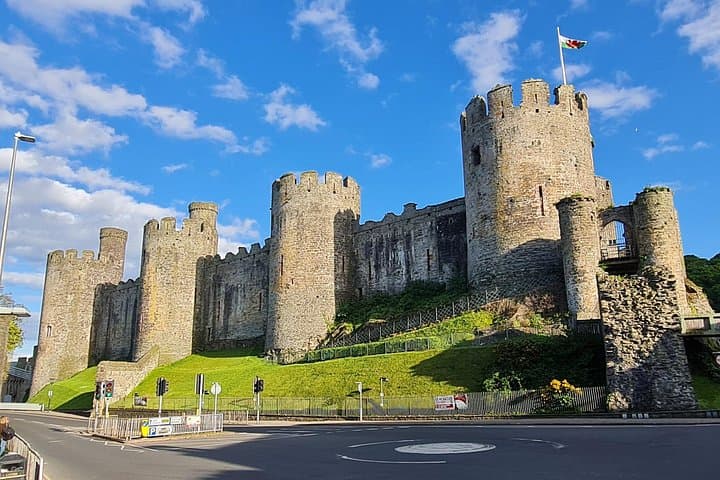
Move through Conwy’s winding lanes and towering walls on a brisk, one-hour guided walk. See Conwy Castle, Plas Mawr and the tiny quay-side houses while an official guide unpacks centuries of local history and engineering.
Move through Conwy’s winding lanes and towering walls on a brisk, one-hour guided walk. See Conwy Castle, Plas Mawr and the tiny quay-side houses while an official guide unpacks centuries of local history and engineering.
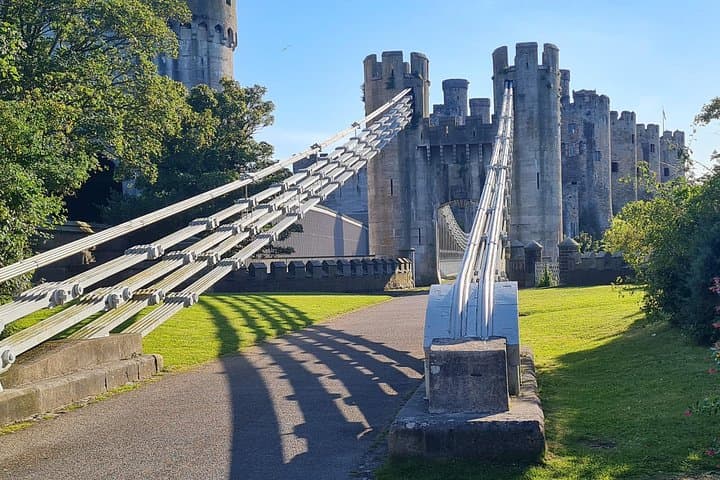
Stand opposite The Erskine as the tide slips in beneath Telford's suspension bridge and the town wakes around its quay. Your guide gathers a small group and, within minutes, the narrow streets and stone walls begin to speak: merchant houses, shipwrights' yards and a castle that still watches the Conwy estuary.
Verified experiences and guided adventures in the surrounding area.
Operated by Conwy Guided Tours · Conwy, Wales
Stand opposite The Erskine as the tide slips in beneath Telford's suspension bridge and the town wakes around its quay. Your guide gathers a small group and, within minutes, the narrow streets and stone walls begin to speak: merchant houses, shipwrights' yards and a castle that still watches the Conwy estuary.
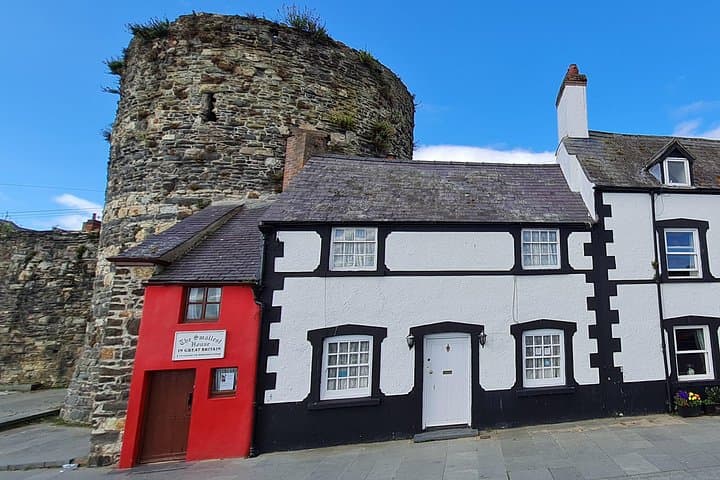
Conwy is a 13th-century walled town commissioned by Edward I and now part of a UNESCO World Heritage Site. The walk threads past Plas Mawr, Britain’s finest surviving Elizabethan townhouse, the smallest house in Britain squashed beside the quay, and the oldest secular house in Wales. The geology here—slate outcrops and glacially sculpted estuary—frames centuries of engineering, from Stephenson’s railway bridge to early suspension spans that tamed the river for trade.
The guide layers dates and local stories with practical observations: where medieval defences were strongest, why certain streets tilt towards the harbour, and how the mussel trade still shapes the quayside economy. Expect close-up views of the castle exterior, the town walls and Lancaster Square’s statue of Llywelyn the Great, delivered at an easy pace suitable for most walkers.
Practical notes: the tour lasts about an hour, covers uneven pavements and short inclines, and meets a minute from Conwy train station. Wear grippy shoes and a waterproof—coastal weather changes fast. Arrive 10 minutes early, bring a camera and sensible layers; mobile tickets are accepted. This is a compact, interpretive stroll that puts Conwy’s architecture and maritime heart within reach.
The meeting point is opposite The Erskine pub, a one-minute walk from Conwy train station and close to local bus stops and car parks.
Yes — the tour is rated easy, but it involves some uneven surfaces and short steep sections; guardians should assess mobility for young children and older adults.
This guided tour covers exterior views and interpretation only; interior admissions to Conwy Castle or Plas Mawr are not included.
Service animals are permitted; pet dogs may be subject to operator policy—check in advance if you plan to bring one.
Conwy Guided Tours operates guided outdoor trips and adventures with an emphasis on safety, stewardship, and memorable experiences.

Stand opposite The Erskine as the tide slips in beneath Telford's suspension bridge and the town wakes around its quay. Your guide gathers a small group and, within minutes, the narrow streets and stone walls begin to speak: merchant houses, shipwrights' yards and a castle that still watches the Conwy estuary.
Stand opposite The Erskine as the tide slips in beneath Telford's suspension bridge and the town wakes around its quay. Your guide gathers a small group and, within minutes, the narrow streets and stone walls begin to speak: merchant houses, shipwrights' yards and a castle that still watches the Conwy estuary.
Conwy is a 13th-century walled town commissioned by Edward I and now part of a UNESCO World Heritage Site. The walk threads past Plas Mawr, Britain’s finest surviving Elizabethan townhouse, the smallest house in Britain squashed beside the quay, and the oldest secular house in Wales. The geology here—slate outcrops and glacially sculpted estuary—frames centuries of engineering, from Stephenson’s railway bridge to early suspension spans that tamed the river for trade.
The guide layers dates and local stories with practical observations: where medieval defences were strongest, why certain streets tilt towards the harbour, and how the mussel trade still shapes the quayside economy. Expect close-up views of the castle exterior, the town walls and Lancaster Square’s statue of Llywelyn the Great, delivered at an easy pace suitable for most walkers.
Practical notes: the tour lasts about an hour, covers uneven pavements and short inclines, and meets a minute from Conwy train station. Wear grippy shoes and a waterproof—coastal weather changes fast. Arrive 10 minutes early, bring a camera and sensible layers; mobile tickets are accepted. This is a compact, interpretive stroll that puts Conwy’s architecture and maritime heart within reach.