THE ADVENTURE COLLECTIVE® · Independent discovery and booking for outdoor travel

Spend two days living with a Bhaktapur family, cooking classic Nepali dishes and exploring UNESCO-listed Durbar Square. This homestay pairs hands-on lessons with authentic cultural exchange in the heart of the Kathmandu Valley.
Spend two days living with a Bhaktapur family, cooking classic Nepali dishes and exploring UNESCO-listed Durbar Square. This homestay pairs hands-on lessons with authentic cultural exchange in the heart of the Kathmandu Valley.
On a narrow lane in Bhaktapur the air smells of wood smoke and simmering spices, and the city’s brick facades press close as if to hush the valley’s bustle. You arrive at a family home where a low hearth, brass pots, and an open courtyard form the stage for two days of hands-on cooking, local stories, and an intimate look at Newar daily life.
Verified experiences and guided adventures in the surrounding area.
Operated by GAPYearNepal · Bhaktapur, Bagmati Province
On a narrow lane in Bhaktapur the air smells of wood smoke and simmering spices, and the city’s brick facades press close as if to hush the valley’s bustle. You arrive at a family home where a low hearth, brass pots, and an open courtyard form the stage for two days of hands-on cooking, local stories, and an intimate look at Newar daily life.
Bhaktapur sits on the eastern edge of the Kathmandu Valley, a medieval city shaped by centuries of Newar craftsmanship and earthquake-forged rebuilding. Durbar Square’s tiered temples and carved windows reflect local carpentry and stonework traditions; beneath the ornate facades runs a practical rhythm of markets, pottery squares, and yoghurt stalls famous for Juju Dhau.
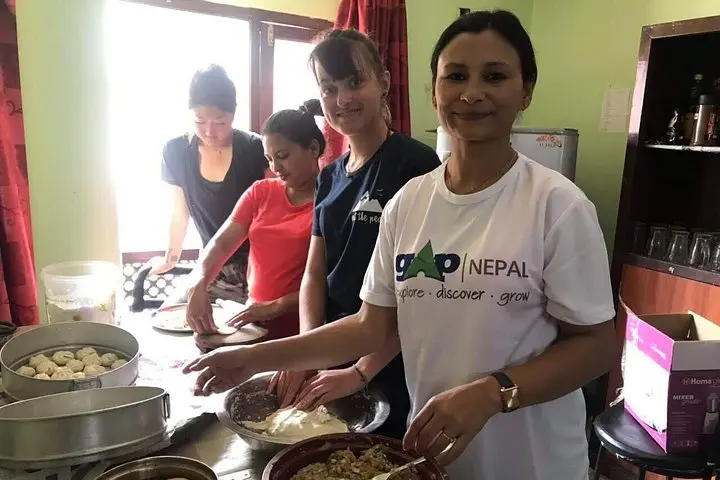
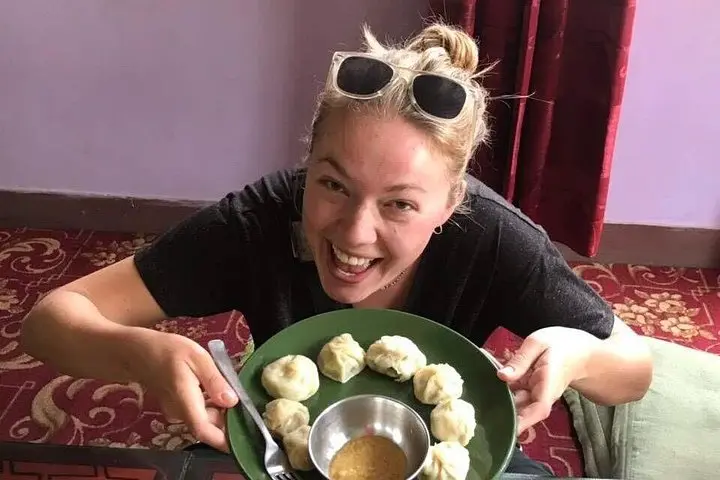
The program pairs cultural immersion with practical skill: making dal bhat, tarkari, and momo under a host’s guidance, learning ingredient choices — buffalo, mutton, or vegetarian — and helping prepare morning tea and breakfast. Expect courtyard kitchens, step-well water echoes, and stairs that demand steady footing. Language is warm and simple; gestures and food bridge gaps.
Plan practically: bring modest clothing for a homestay, comfortable shoes for cobbled alleys, and a reusable water bottle. Morning and late afternoon are prime times to explore the square when light reveals carvings and crowds thin. Respect meal rhythms and offer a small gift for your hosts — tea or a token from home is appreciated.
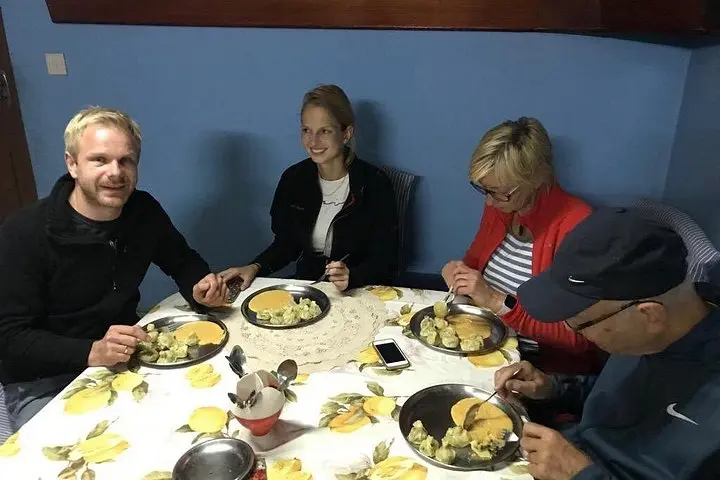
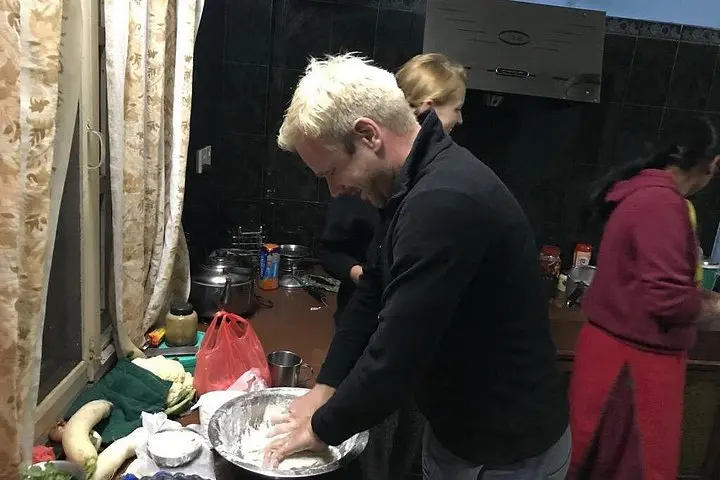
This is not a rugged expedition but a cultural expedition of senses: tactile dough, the scent of cumin, and conversation over shared plates. The experience rewards curiosity, patience, and a willingness to cook with hands as much as utensils.
No — the host guides you step-by-step; basic kitchen comfort helps but no prior skills are required.
Yes — hosts typically adapt meals for vegetarian, vegan, or common allergies if informed in advance via booking questions.
The tour includes transfer to the homestay by air-conditioned vehicle; confirm pickup point when booking.
Nepali and Newari are common, but many hosts speak basic English; gestures and shared cooking help bridge gaps.
GAPYearNepal operates guided outdoor trips and adventures with an emphasis on safety, stewardship, and memorable experiences.
On a narrow lane in Bhaktapur the air smells of wood smoke and simmering spices, and the city’s brick facades press close as if to hush the valley’s bustle. You arrive at a family home where a low hearth, brass pots, and an open courtyard form the stage for two days of hands-on cooking, local stories, and an intimate look at Newar daily life.
On a narrow lane in Bhaktapur the air smells of wood smoke and simmering spices, and the city’s brick facades press close as if to hush the valley’s bustle. You arrive at a family home where a low hearth, brass pots, and an open courtyard form the stage for two days of hands-on cooking, local stories, and an intimate look at Newar daily life.
Bhaktapur sits on the eastern edge of the Kathmandu Valley, a medieval city shaped by centuries of Newar craftsmanship and earthquake-forged rebuilding. Durbar Square’s tiered temples and carved windows reflect local carpentry and stonework traditions; beneath the ornate facades runs a practical rhythm of markets, pottery squares, and yoghurt stalls famous for Juju Dhau.
The program pairs cultural immersion with practical skill: making dal bhat, tarkari, and momo under a host’s guidance, learning ingredient choices — buffalo, mutton, or vegetarian — and helping prepare morning tea and breakfast. Expect courtyard kitchens, step-well water echoes, and stairs that demand steady footing. Language is warm and simple; gestures and food bridge gaps.
Plan practically: bring modest clothing for a homestay, comfortable shoes for cobbled alleys, and a reusable water bottle. Morning and late afternoon are prime times to explore the square when light reveals carvings and crowds thin. Respect meal rhythms and offer a small gift for your hosts — tea or a token from home is appreciated.
This is not a rugged expedition but a cultural expedition of senses: tactile dough, the scent of cumin, and conversation over shared plates. The experience rewards curiosity, patience, and a willingness to cook with hands as much as utensils.