THE ADVENTURE COLLECTIVE® · Independent discovery and booking for outdoor travel

Learn to make empanadas, arroz con pollo, tortillas con queso and picadillo from a Huacas home kitchen via Zoom. This two-hour class pairs hands-on technique with cultural stories and an ingredient list sent in advance.
Learn to make empanadas, arroz con pollo, tortillas con queso and picadillo from a Huacas home kitchen via Zoom. This two-hour class pairs hands-on technique with cultural stories and an ingredient list sent in advance.
The screen fills with warm light and the low murmur of the Pacific beyond a courtyard—an at-home kitchen in Huacas, Guanacaste—while a host with decades of family recipes guides your hands over dough.
Verified experiences and guided adventures in the surrounding area.
Operated by Cooking Costa Rica Homemade Food · Huacas, Guanacaste
The screen fills with warm light and the low murmur of the Pacific beyond a courtyard—an at-home kitchen in Huacas, Guanacaste—while a host with decades of family recipes guides your hands over dough.
This online class places learners in the rhythms of Costa Rican home cooking: corn masa pressed for tortillas, empanadas fried until golden, arroz con pollo fragrant with annatto and cilantro, and picadillo de papa stirred until just tender. The recipes come from Chorotega and Spanish-influenced rural traditions in Guanacaste, a region shaped by volcanic soils from nearby Rincon de la Vieja and a climate that favors corn, beans and citrus.
Beyond recipes, the class shares cultural context—when families cook these dishes, the role of communal meals, and the simple substitutions local cooks lean on when fresh produce is seasonal. The host explains ingredient choices, the small techniques that make tortillas pliant and empanadas flaky, and stories that put each dish in a household timeline.
Practical guidance follows: expect a live 90–120 minute Zoom session, an ingredients list sent ahead, and basic kitchen equipment only. The format is interactive—camera angles and pacing matter—so prepare a clean prep station, stable internet, and good lighting. Children can participate with simple tasks like shaping tortillas and make this a cross-generational activity. Plan for time-zone differences (Costa Rica observes CST) and have a tasting mindset: this is as much cultural exchange as it is a cooking lesson.
Yes — the host emails a detailed ingredient list and any substitutions recommended for international guests ahead of the session.
Yes — many recipes include simple, safe tasks for kids such as shaping empanadas or pressing tortillas; supervision is recommended.
The class is typically taught in Spanish with English support available on request; confirm language when booking if you need an English-only session.
Full refunds are available if you cancel at least 24 hours before the scheduled time; check the booking for any manual confirmation requirements.
Cooking Costa Rica Homemade Food operates guided outdoor trips and adventures with an emphasis on safety, stewardship, and memorable experiences.
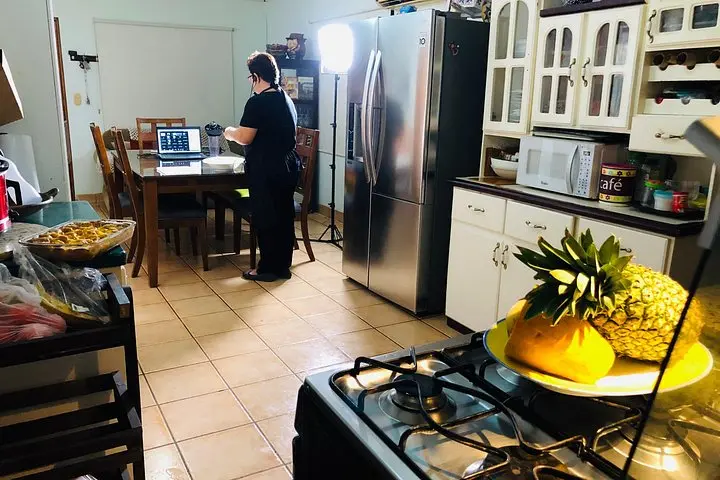
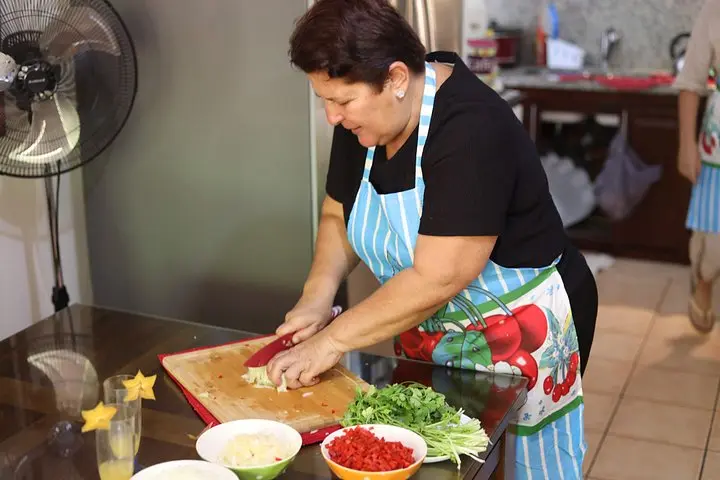
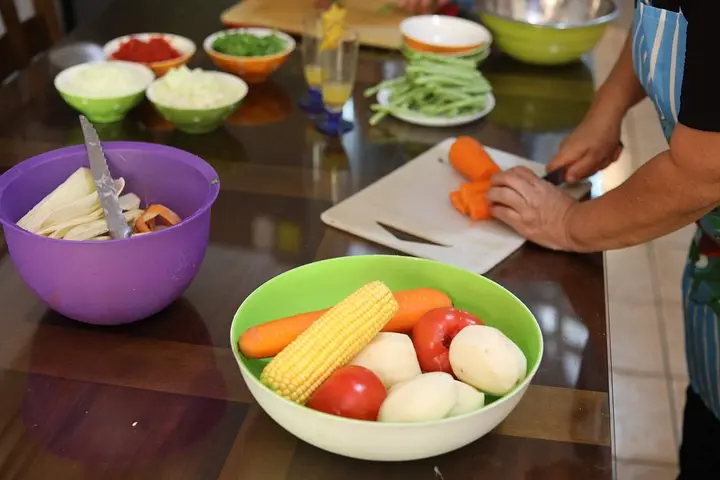
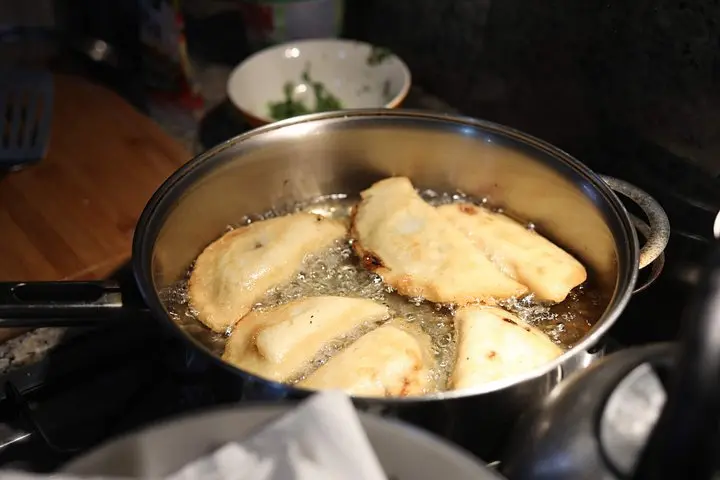
The screen fills with warm light and the low murmur of the Pacific beyond a courtyard—an at-home kitchen in Huacas, Guanacaste—while a host with decades of family recipes guides your hands over dough.
The screen fills with warm light and the low murmur of the Pacific beyond a courtyard—an at-home kitchen in Huacas, Guanacaste—while a host with decades of family recipes guides your hands over dough.
This online class places learners in the rhythms of Costa Rican home cooking: corn masa pressed for tortillas, empanadas fried until golden, arroz con pollo fragrant with annatto and cilantro, and picadillo de papa stirred until just tender. The recipes come from Chorotega and Spanish-influenced rural traditions in Guanacaste, a region shaped by volcanic soils from nearby Rincon de la Vieja and a climate that favors corn, beans and citrus.
Beyond recipes, the class shares cultural context—when families cook these dishes, the role of communal meals, and the simple substitutions local cooks lean on when fresh produce is seasonal. The host explains ingredient choices, the small techniques that make tortillas pliant and empanadas flaky, and stories that put each dish in a household timeline.
Practical guidance follows: expect a live 90–120 minute Zoom session, an ingredients list sent ahead, and basic kitchen equipment only. The format is interactive—camera angles and pacing matter—so prepare a clean prep station, stable internet, and good lighting. Children can participate with simple tasks like shaping tortillas and make this a cross-generational activity. Plan for time-zone differences (Costa Rica observes CST) and have a tasting mindset: this is as much cultural exchange as it is a cooking lesson.