THE ADVENTURE COLLECTIVE® · Independent discovery and booking for outdoor travel
Learn to make Chillo al Coco (Red Snapper in Coconut Sauce) using ancestral Taíno techniques near Punta Cana. This hands-on class combines fresh, local seafood with cassava and plantains for a practical and flavorful introduction to Dominican coastal cuisine.
Learn to make Chillo al Coco (Red Snapper in Coconut Sauce) using ancestral Taíno techniques near Punta Cana. This hands-on class combines fresh, local seafood with cassava and plantains for a practical and flavorful introduction to Dominican coastal cuisine.
A warm courtyard opens to the smell of coconut smoke and sizzling fish. Guests arrive with sun-warmed shoulders, handed a welcome drink, and step into a hands-on kitchen where pounding mortars and the hiss of hot oil set the tempo. The class moves with practical cadence: cleaning the red snapper, extracting fresh coconut milk, and layering spices in a shallow pan until the sauce thickens.
Verified experiences and guided adventures in the surrounding area.
Operated by CanaGo Tours · Punta Cana, La Altagracia
A warm courtyard opens to the smell of coconut smoke and sizzling fish. Guests arrive with sun-warmed shoulders, handed a welcome drink, and step into a hands-on kitchen where pounding mortars and the hiss of hot oil set the tempo. The class moves with practical cadence: cleaning the red snapper, extracting fresh coconut milk, and layering spices in a shallow pan until the sauce thickens.
The recipe traces to Taíno techniques and colonial exchanges — native cassava and plantain paired with Old World spices and sea-caught fish. Geology and climate play their part: coral-fringed coasts supply the snapper, while limestone soils inland favor the cassava and coconut palms that shade the kitchen. Local culture emerges in small gestures — Mamajuana offered as a digestif, Larimar jewelry in the gift shop, and stories about village fishermen who supply the catch.
Practically, the session lasts about 2.5 hours and accommodates mixed abilities and families. Expect a small-group kitchen workflow, hands-on prep, and a sit-down meal with rice, plantain, and cassava. Wear closed-toe shoes and light clothing; plan for humidity and the occasional cooking spray. The operator offers air-conditioned pickup and accepts mobile tickets; cancel at least 24 hours ahead for a full refund. Bring a camera for the final plated meal and a reusable bag for any artisan purchases. This is a culinary workshop more than a formal cooking school — it’s tactile, social, and rooted in place, ideal for travelers who want a practical, taste-first introduction to Dominican coastal cuisine.
Yes; the activity is family-friendly though children should be supervised around hot pans and knives.
Air-conditioned pickup is available — confirm pickup point and time during booking.
Yes; indicate allergies or preferences at booking so the instructor can modify recipes when possible.
The class includes a welcome drink, coconut milk and red snapper preparation, sides (cassava, plantain, rice), a coffee/chocolate/mamajuana tasting, and access to the gift shop.
CanaGo Tours operates guided outdoor trips and adventures with an emphasis on safety, stewardship, and memorable experiences.
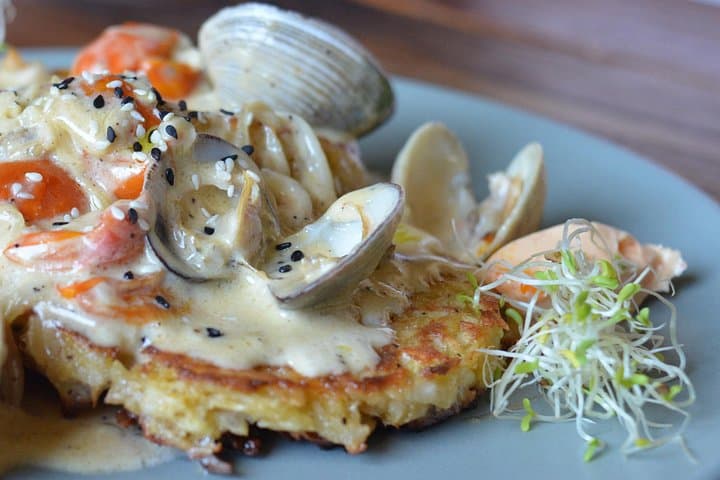

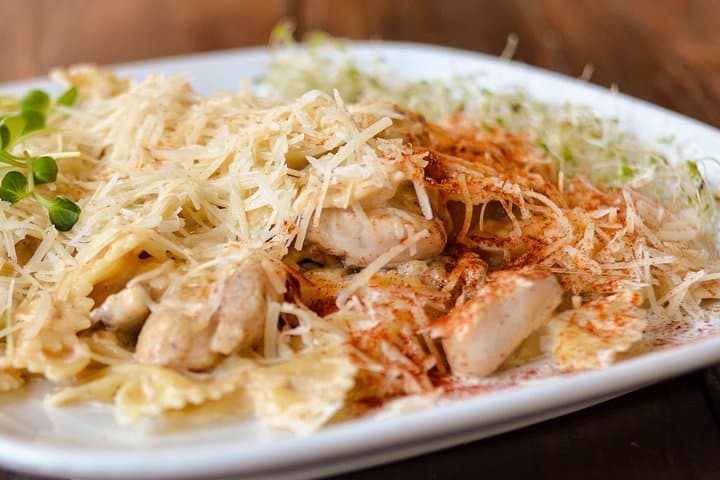
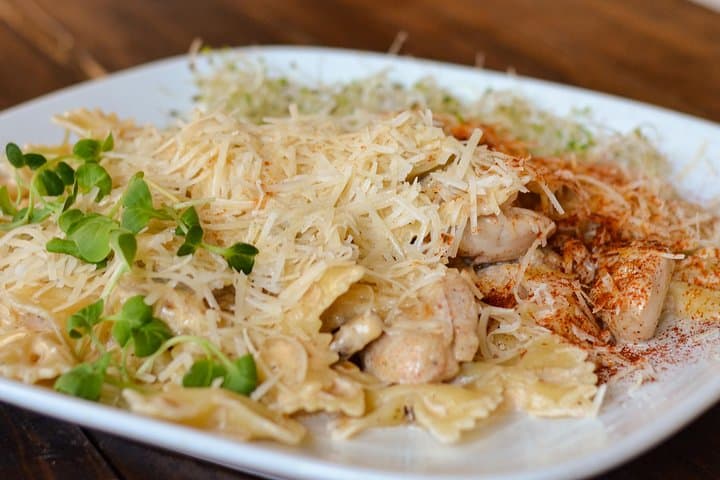
A warm courtyard opens to the smell of coconut smoke and sizzling fish. Guests arrive with sun-warmed shoulders, handed a welcome drink, and step into a hands-on kitchen where pounding mortars and the hiss of hot oil set the tempo. The class moves with practical cadence: cleaning the red snapper, extracting fresh coconut milk, and layering spices in a shallow pan until the sauce thickens.
A warm courtyard opens to the smell of coconut smoke and sizzling fish. Guests arrive with sun-warmed shoulders, handed a welcome drink, and step into a hands-on kitchen where pounding mortars and the hiss of hot oil set the tempo. The class moves with practical cadence: cleaning the red snapper, extracting fresh coconut milk, and layering spices in a shallow pan until the sauce thickens.
The recipe traces to Taíno techniques and colonial exchanges — native cassava and plantain paired with Old World spices and sea-caught fish. Geology and climate play their part: coral-fringed coasts supply the snapper, while limestone soils inland favor the cassava and coconut palms that shade the kitchen. Local culture emerges in small gestures — Mamajuana offered as a digestif, Larimar jewelry in the gift shop, and stories about village fishermen who supply the catch.
Practically, the session lasts about 2.5 hours and accommodates mixed abilities and families. Expect a small-group kitchen workflow, hands-on prep, and a sit-down meal with rice, plantain, and cassava. Wear closed-toe shoes and light clothing; plan for humidity and the occasional cooking spray. The operator offers air-conditioned pickup and accepts mobile tickets; cancel at least 24 hours ahead for a full refund. Bring a camera for the final plated meal and a reusable bag for any artisan purchases. This is a culinary workshop more than a formal cooking school — it’s tactile, social, and rooted in place, ideal for travelers who want a practical, taste-first introduction to Dominican coastal cuisine.
