THE ADVENTURE COLLECTIVE® · Independent discovery and booking for outdoor travel

Learn Bedouin fire-cooking, pour traditional Arabic coffee and sleep under an enormous desert sky. This hands-on class at Wadi Rum pairs culinary craft with stories and a short stay in a traditional camp.
Learn Bedouin fire-cooking, pour traditional Arabic coffee and sleep under an enormous desert sky. This hands-on class at Wadi Rum pairs culinary craft with stories and a short stay in a traditional camp.
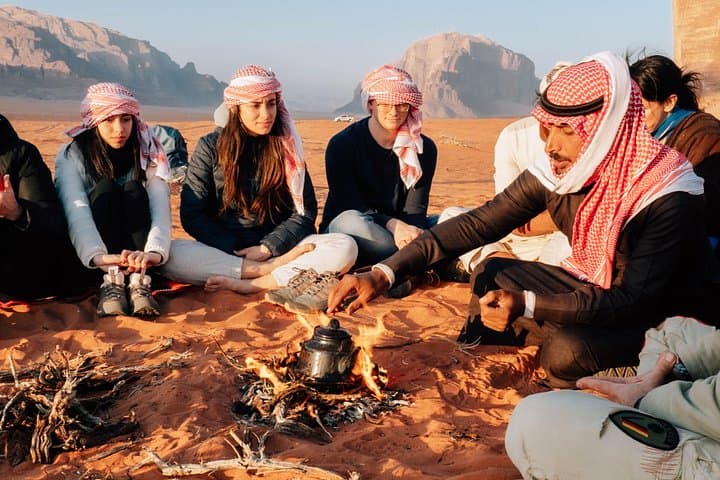
You step out of the parking heat into a wide hush: wind pulling at loose sand, a low range of red-rock towers folded like pages of a broken book. The Wadi Rum Rest House is a small thrum—drivers, guides and flocks of camels weaving between pickups—then you’re led a short way into open space. A circle of stones waits, a blackened pit at its center; the first scent is coffee and the faint smoke of a fresh bonfire.
Verified experiences and guided adventures in the surrounding area.
Operated by Soul Tribe Travel · Wadi Rum Village, Ma'an Governorate
You step out of the parking heat into a wide hush: wind pulling at loose sand, a low range of red-rock towers folded like pages of a broken book. The Wadi Rum Rest House is a small thrum—drivers, guides and flocks of camels weaving between pickups—then you’re led a short way into open space. A circle of stones waits, a blackened pit at its center; the first scent is coffee and the faint smoke of a fresh bonfire.
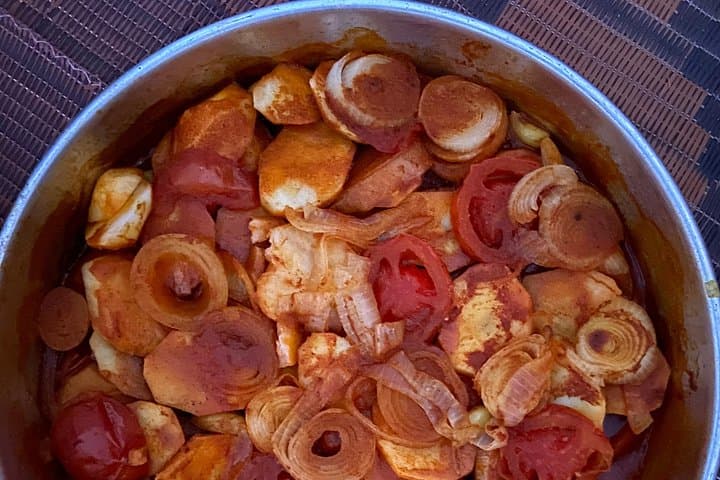
The three-hour cooking class is part culinary lesson and part cultural exchange. Local Bedouin guides—descended from families who moved through these valleys for generations—show how Mansaf is layered and how Zarb is buried and steamed under the sand until the plates steam themselves. You’ll grind spices, tend coals and learn the ritual of pouring Arabic coffee: how to accept, how to decline, what it means to be offered a second cup.
Wadi Rum’s rocks are older than most stories here: wind-scraped sandstone and granite cliffs shaped over millions of years, with petroglyphs and Nabatean inscriptions tucked in cool canyon shadows. That history sits alongside a modern Bedouin hospitality that turned nomadic skills into taught crafts—cooking on embers, making goat-milk tea, navigating by stars.
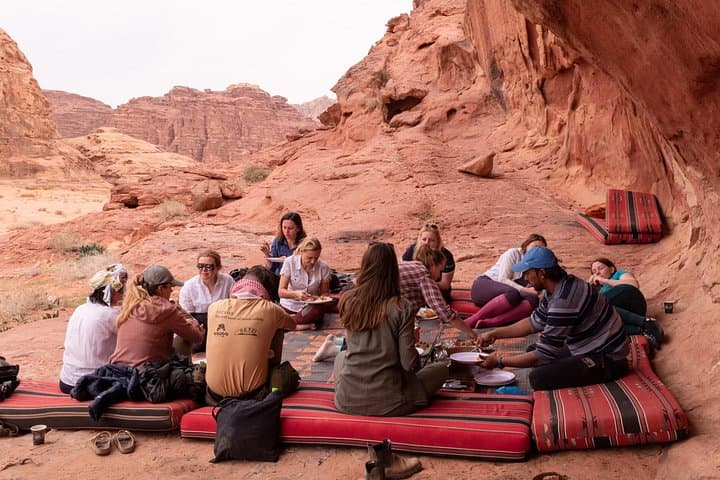
Practicalities are simple but important. The meeting point is the Wadi Rum Rest House near the visitor center (entrance fee to the protected area is not included). Expect to spend roughly three hours in the activity; if you opt to stay in camp, the evening opens into full desert light for stargazing and sunrise photography. The camp offered includes hot showers and beds—comfortable enough after a day around the fire.
Plan for sun and sand: bring a wide-brim hat, closed-toe shoes and at least 1–2 liters of water. Let your guide know dietary restrictions in advance—vegetarian options are available with notice. Mobile reception is intermittent; this is a place to slow down and listen to stories passed down at the flame. Respect local customs—modest dress is appreciated—and tip your guide if they make an evening memorable.
For photographers, the low-angle light hits the red stone beautifully at sunset and the coffee ritual makes for intimate close-ups. For travelers wanting a hands-on cultural moment without long trekking, this class is an efficient and sensory-rich way to meet Wadi Rum—through warmth, spice and the gestures of a people who have cooked here for centuries.
No—entrance to the Wadi Rum Protected Area is paid separately at the visitor center and is not included in the tour price.
Yes—vegetarian dishes can be prepared if you notify the operator when booking or before the class begins.
Yes—there is an optional overnight in a traditional Bedouin camp with dinner and breakfast; mention your preference when booking.
Guides typically speak Arabic and English; ask ahead if you need another language or a translator.
Families are welcome, but supervision is required around the fire; check age limits with the operator when booking.
This activity is sold as all sales final—no refunds are available for cancellations, so confirm plans before booking.
Soul Tribe Travel operates guided outdoor trips and adventures with an emphasis on safety, stewardship, and memorable experiences.
You step out of the parking heat into a wide hush: wind pulling at loose sand, a low range of red-rock towers folded like pages of a broken book. The Wadi Rum Rest House is a small thrum—drivers, guides and flocks of camels weaving between pickups—then you’re led a short way into open space. A circle of stones waits, a blackened pit at its center; the first scent is coffee and the faint smoke of a fresh bonfire.
You step out of the parking heat into a wide hush: wind pulling at loose sand, a low range of red-rock towers folded like pages of a broken book. The Wadi Rum Rest House is a small thrum—drivers, guides and flocks of camels weaving between pickups—then you’re led a short way into open space. A circle of stones waits, a blackened pit at its center; the first scent is coffee and the faint smoke of a fresh bonfire.
The three-hour cooking class is part culinary lesson and part cultural exchange. Local Bedouin guides—descended from families who moved through these valleys for generations—show how Mansaf is layered and how Zarb is buried and steamed under the sand until the plates steam themselves. You’ll grind spices, tend coals and learn the ritual of pouring Arabic coffee: how to accept, how to decline, what it means to be offered a second cup.
Wadi Rum’s rocks are older than most stories here: wind-scraped sandstone and granite cliffs shaped over millions of years, with petroglyphs and Nabatean inscriptions tucked in cool canyon shadows. That history sits alongside a modern Bedouin hospitality that turned nomadic skills into taught crafts—cooking on embers, making goat-milk tea, navigating by stars.
Practicalities are simple but important. The meeting point is the Wadi Rum Rest House near the visitor center (entrance fee to the protected area is not included). Expect to spend roughly three hours in the activity; if you opt to stay in camp, the evening opens into full desert light for stargazing and sunrise photography. The camp offered includes hot showers and beds—comfortable enough after a day around the fire.
Plan for sun and sand: bring a wide-brim hat, closed-toe shoes and at least 1–2 liters of water. Let your guide know dietary restrictions in advance—vegetarian options are available with notice. Mobile reception is intermittent; this is a place to slow down and listen to stories passed down at the flame. Respect local customs—modest dress is appreciated—and tip your guide if they make an evening memorable.
For photographers, the low-angle light hits the red stone beautifully at sunset and the coffee ritual makes for intimate close-ups. For travelers wanting a hands-on cultural moment without long trekking, this class is an efficient and sensory-rich way to meet Wadi Rum—through warmth, spice and the gestures of a people who have cooked here for centuries.