THE ADVENTURE COLLECTIVE® · Independent discovery and booking for outdoor travel

Learn to make handmade pasta under citrus pergolas on the Sorrento Peninsula. This 2.5-hour semi-private class pairs garden harvesting with hands-on cooking and a shared meal with local wine and limoncello.
Learn to make handmade pasta under citrus pergolas on the Sorrento Peninsula. This 2.5-hour semi-private class pairs garden harvesting with hands-on cooking and a shared meal with local wine and limoncello.
You step through a low gate and the air changes—sharp citrus bright against the salt-sweet breath of the Bay of Naples. Sun threads through pergolas of lemon trees as a table is set beneath dappled leaves; a welcome drink and bruschetta arrive, olive oil still carrying the scent of the grove.
Verified experiences and guided adventures in the surrounding area.
Operated by Mondo Guide Srl · Sorrento, Campania
You step through a low gate and the air changes—sharp citrus bright against the salt-sweet breath of the Bay of Naples. Sun threads through pergolas of lemon trees as a table is set beneath dappled leaves; a welcome drink and bruschetta arrive, olive oil still carrying the scent of the grove.
This is more than a class: it’s a short cultural field trip into southern Italian foodways. Sorrento’s citrus groves have shaped the coastline for centuries, producing the thick-rinded lemons used in local limoncello and preserves. The garden soil is volcanic-born, drained and warmed by the region’s microclimate, which lets figs, tomatoes and zucchini ripen early and intensely.
Under an expert chef you harvest ingredients, learn to knead and cut pasta, and turn seasonal vegetables into a simple southern sauce. The rhythm is tactile—dough to hands, hands to pot—then you sit beneath the trees to eat with local wine and homemade limoncello. Recipes and a certificate come with the experience, making it easy to recreate the day at home.
Practical side: classes run about 2.5 hours, scheduled for lunch or early evening. Wear sturdy sandals or flats for uneven paths, report allergies in advance, and expect some hands-on food prep. Bring a camera, appetite, and a readiness to get flour on your sleeves—this is farm-to-table learning that leaves you with technique, tasting, and a small local souvenir.
Yes; the class notes stroller access and is suitable for mixed ages, but check in advance for space and child-specific safety needs.
Classes are led by a local chef and typically conducted with translation and translated recipes provided for non-Italian speakers.
Yes — the operator requests allergy and dietary information at booking so they can adapt dishes when possible.
No — participants generally meet at the grove; confirm meeting details on your booking and plan local transport accordingly.
Mondo Guide Srl operates guided outdoor trips and adventures with an emphasis on safety, stewardship, and memorable experiences.
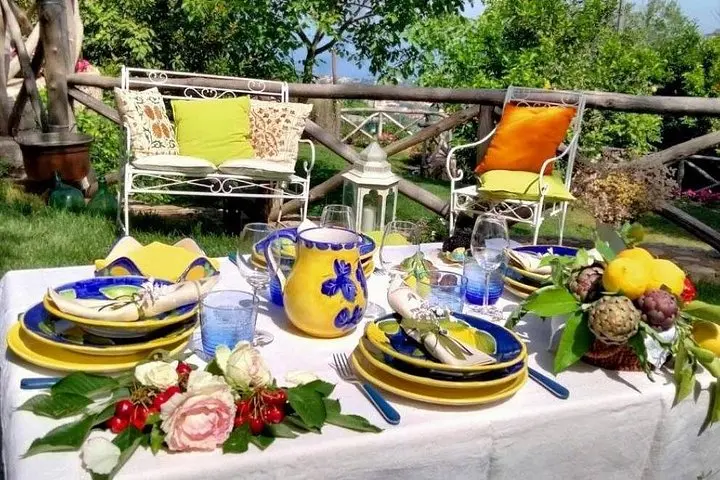
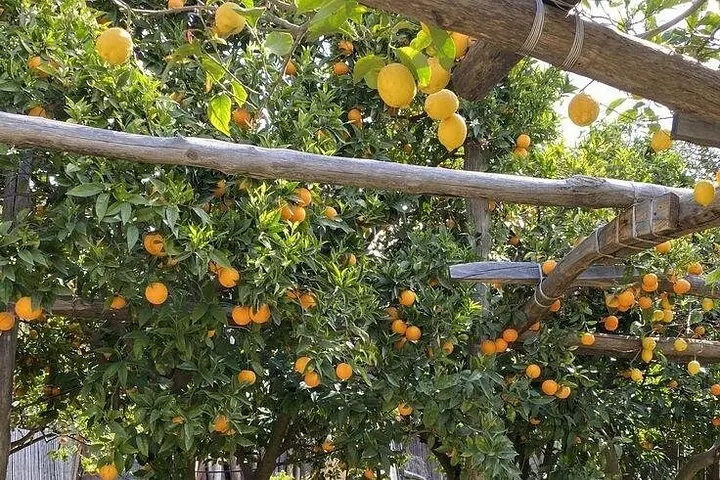
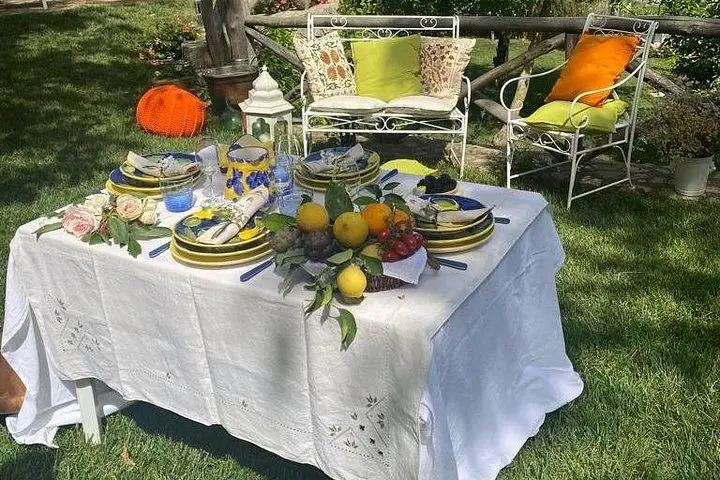
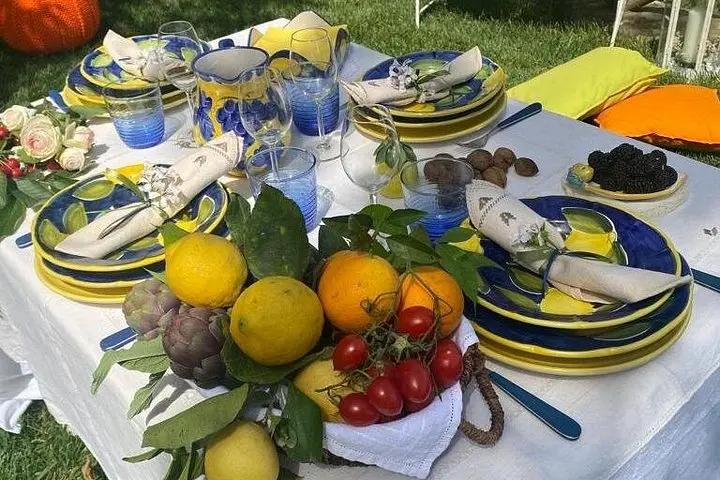
You step through a low gate and the air changes—sharp citrus bright against the salt-sweet breath of the Bay of Naples. Sun threads through pergolas of lemon trees as a table is set beneath dappled leaves; a welcome drink and bruschetta arrive, olive oil still carrying the scent of the grove.
You step through a low gate and the air changes—sharp citrus bright against the salt-sweet breath of the Bay of Naples. Sun threads through pergolas of lemon trees as a table is set beneath dappled leaves; a welcome drink and bruschetta arrive, olive oil still carrying the scent of the grove.
This is more than a class: it’s a short cultural field trip into southern Italian foodways. Sorrento’s citrus groves have shaped the coastline for centuries, producing the thick-rinded lemons used in local limoncello and preserves. The garden soil is volcanic-born, drained and warmed by the region’s microclimate, which lets figs, tomatoes and zucchini ripen early and intensely.
Under an expert chef you harvest ingredients, learn to knead and cut pasta, and turn seasonal vegetables into a simple southern sauce. The rhythm is tactile—dough to hands, hands to pot—then you sit beneath the trees to eat with local wine and homemade limoncello. Recipes and a certificate come with the experience, making it easy to recreate the day at home.
Practical side: classes run about 2.5 hours, scheduled for lunch or early evening. Wear sturdy sandals or flats for uneven paths, report allergies in advance, and expect some hands-on food prep. Bring a camera, appetite, and a readiness to get flour on your sleeves—this is farm-to-table learning that leaves you with technique, tasting, and a small local souvenir.