THE ADVENTURE COLLECTIVE® · Independent discovery and booking for outdoor travel

Spend a day with Saida and her family outside Marrakech learning to make tagine, bake village bread, and visit a women’s carpet cooperative. This hands-on Amazigh cooking class combines sensory kitchen work with cultural insight and rural scenery.
Spend a day with Saida and her family outside Marrakech learning to make tagine, bake village bread, and visit a women’s carpet cooperative. This hands-on Amazigh cooking class combines sensory kitchen work with cultural insight and rural scenery.
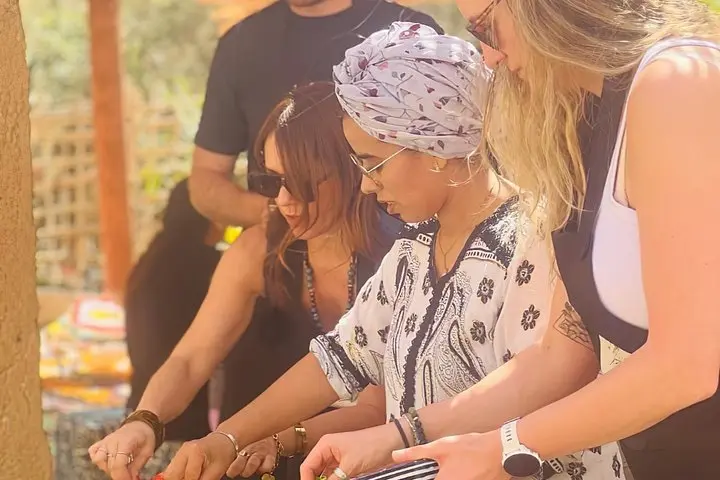
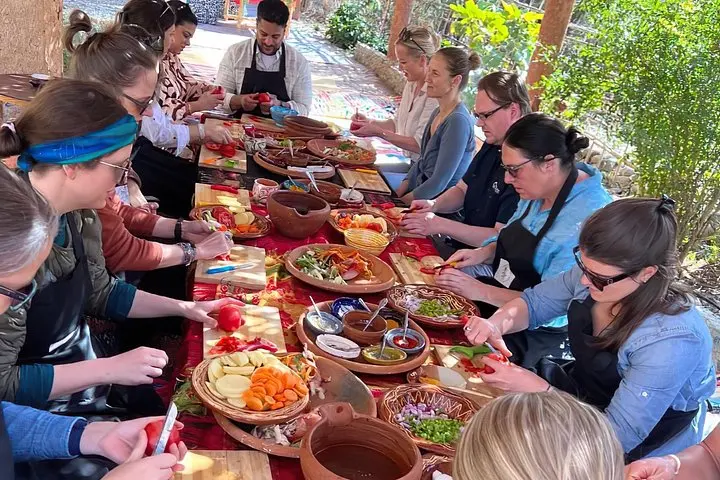
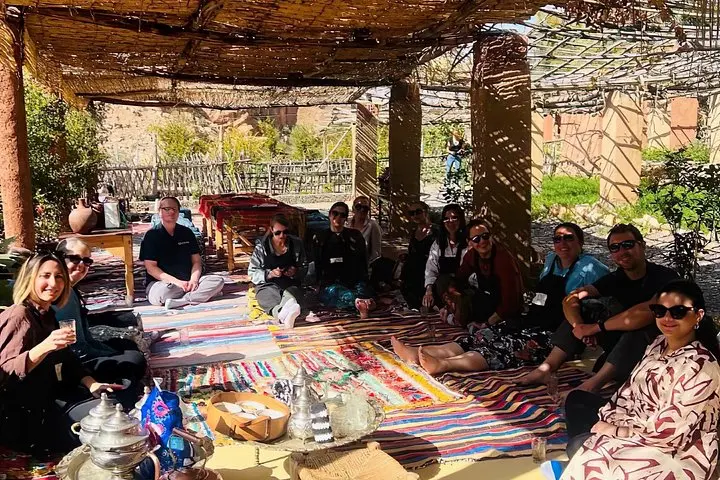
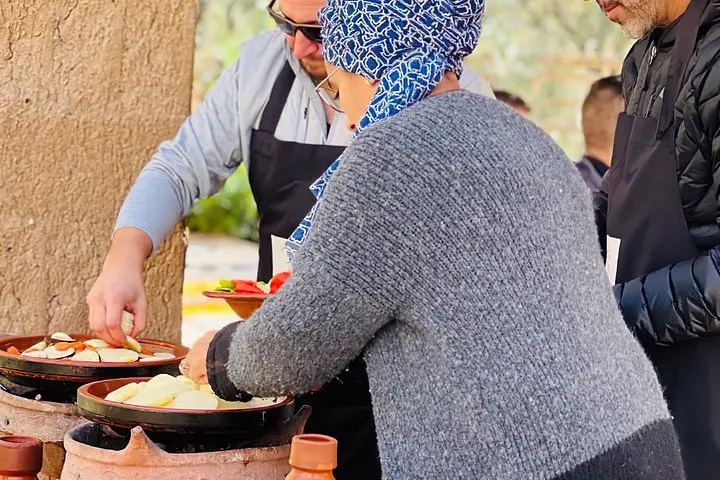
You step out of the air‑conditioned van into a yard where cedar smoke curls and sacks of flour sit by a low wooden table. Saida greets you with a warm clap and a pitcher of mint tea; the foothills of the High Atlas crouch on the horizon, sharp against the sky. Inside her home, clay tagines clack, women fold dough for khobz, and the scent of preserved lemon and cumin begins to thread through the room.
Verified experiences and guided adventures in the surrounding area.
Operated by Emazighen · Marrakech, Marrakesh-Safi
You step out of the air‑conditioned van into a yard where cedar smoke curls and sacks of flour sit by a low wooden table. Saida greets you with a warm clap and a pitcher of mint tea; the foothills of the High Atlas crouch on the horizon, sharp against the sky. Inside her home, clay tagines clack, women fold dough for khobz, and the scent of preserved lemon and cumin begins to thread through the room.
Amazigh (Berber) cuisine is rooted in mountain seasons and village trade—slow‑cooked stews, preserved vegetables, and communal bread shaped by generations. The geology of the Atlas has shaped local food: terraced fields, spring-fed valleys, and argan trees along the lower slopes that support cooperatives run by women. Saida’s class includes a visit to her carpet cooperative, where weaving patterns echo local history and female entrepreneurship.
Practicalities matter: this is a full‑day immersion (about 7½ hours) with hotel pickup in Marrakech, a small group (under 6), bottled water, and lunch included. Expect uneven village paths, work at low benches, and hands‑on cooking—chopping, spice grinding, and assembling tagines that steam for an hour. Bring modest clothing, a light jacket for mountain breezes, and cash for purchases at the cooperative. If you have allergies or dietary preferences, inform the guide before departure.
The reward is practical: new recipes you can reproduce at home, a deeper understanding of Amazigh daily life, and the chance to support women’s projects that keep traditional skills alive.
Yes — hotel pickup and return in Marrakech are included; the exact pickup point and time are confirmed at booking.
Yes, if you notify the operator before the tour they can prepare alternatives; always state allergies on the booking form.
Expect standing, bending, and short walks on uneven ground; it's not a hike but requires basic mobility and stamina for a full-day workshop.
Small children can attend but the experience involves hot stoves and low benches; infant seats are available—check with the host about age suitability.
Emazighen operates guided outdoor trips and adventures with an emphasis on safety, stewardship, and memorable experiences.
You step out of the air‑conditioned van into a yard where cedar smoke curls and sacks of flour sit by a low wooden table. Saida greets you with a warm clap and a pitcher of mint tea; the foothills of the High Atlas crouch on the horizon, sharp against the sky. Inside her home, clay tagines clack, women fold dough for khobz, and the scent of preserved lemon and cumin begins to thread through the room.
You step out of the air‑conditioned van into a yard where cedar smoke curls and sacks of flour sit by a low wooden table. Saida greets you with a warm clap and a pitcher of mint tea; the foothills of the High Atlas crouch on the horizon, sharp against the sky. Inside her home, clay tagines clack, women fold dough for khobz, and the scent of preserved lemon and cumin begins to thread through the room.
Amazigh (Berber) cuisine is rooted in mountain seasons and village trade—slow‑cooked stews, preserved vegetables, and communal bread shaped by generations. The geology of the Atlas has shaped local food: terraced fields, spring-fed valleys, and argan trees along the lower slopes that support cooperatives run by women. Saida’s class includes a visit to her carpet cooperative, where weaving patterns echo local history and female entrepreneurship.
Practicalities matter: this is a full‑day immersion (about 7½ hours) with hotel pickup in Marrakech, a small group (under 6), bottled water, and lunch included. Expect uneven village paths, work at low benches, and hands‑on cooking—chopping, spice grinding, and assembling tagines that steam for an hour. Bring modest clothing, a light jacket for mountain breezes, and cash for purchases at the cooperative. If you have allergies or dietary preferences, inform the guide before departure.
The reward is practical: new recipes you can reproduce at home, a deeper understanding of Amazigh daily life, and the chance to support women’s projects that keep traditional skills alive.