THE ADVENTURE COLLECTIVE® · Independent discovery and booking for outdoor travel

Take a full‑day journey from San Salvador to the UNESCO‑listed Copán Ruins in Honduras. This guided tour pairs a scenic cross‑border drive with on‑site exploration of stelae, temples and the Hieroglyphic Stairway.
Take a full‑day journey from San Salvador to the UNESCO‑listed Copán Ruins in Honduras. This guided tour pairs a scenic cross‑border drive with on‑site exploration of stelae, temples and the Hieroglyphic Stairway.
The bus eases off the highway and the forest leans closer — vines and low hills lining the road as you approach Copán. By mid‑morning, sunlight chisels the bas‑reliefs on stelae and the Hieroglyphic Stairway throws long shadows; the stones feel warm under a palm of sunscreened skin.
Verified experiences and guided adventures in the surrounding area.
Operated by Salvadorean Tours · Copán Ruinas, Copán
The bus eases off the highway and the forest leans closer — vines and low hills lining the road as you approach Copán. By mid‑morning, sunlight chisels the bas‑reliefs on stelae and the Hieroglyphic Stairway throws long shadows; the stones feel warm under a palm of sunscreened skin.
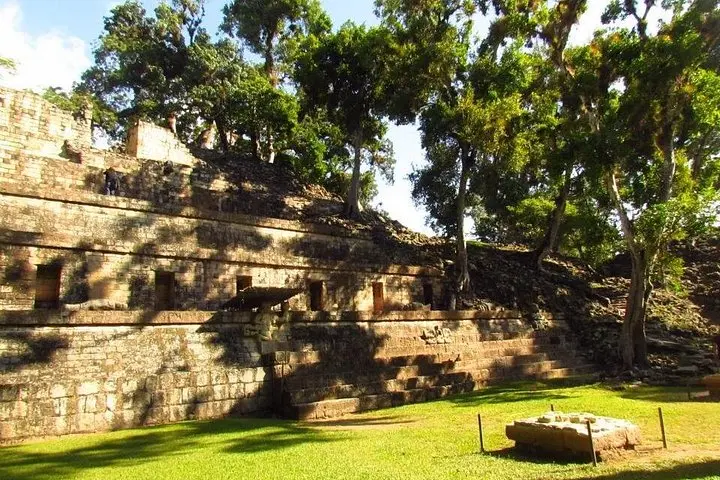
Copán flourished during the Classic Maya period (roughly AD 400–900). The site sits in a fertile river valley near the modern town of Copán Ruinas; its monuments record dynastic history in carved stone and glyphs, while plazas, temples, and the ballcourt reveal civic and ritual life. Geologically, the area is limestone country—ruins emerge from a karst landscape that channels streams and feeds rich soils.
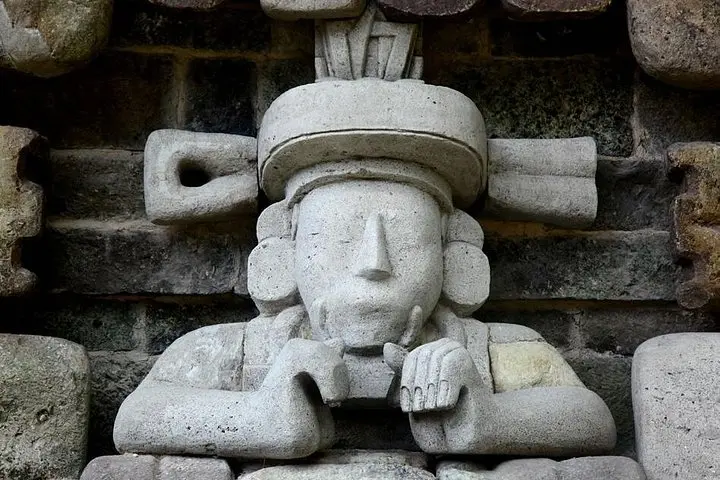
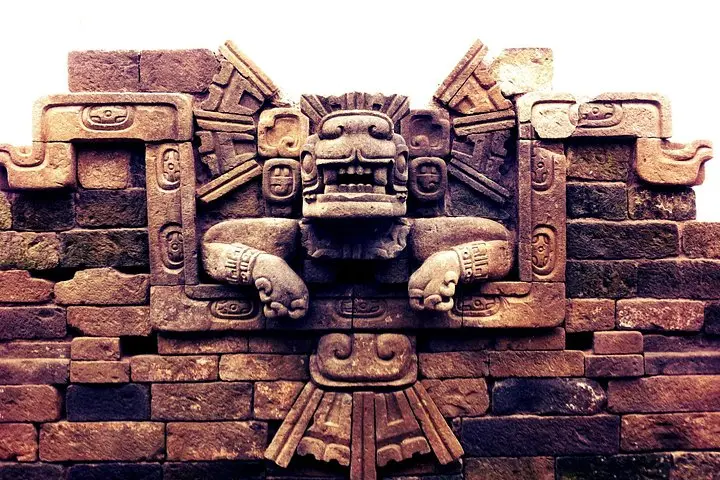
Culturally, Copán is distinctive for its sculptural detail: portraits of rulers, intricate iconography and one of the most extensive hieroglyphic inscriptions in the Maya world. The surrounding town offers modest cafés and craft shops staffed by families who maintain local weaving and coffee traditions.
Practical guidance: expect a long day — most operators run 14–16 hour round trips from San Salvador with site time of around three hours. Bring your passport and any required border preclearance documents, sturdy shoes for uneven stone and trails, sun protection, and at least 1–2 liters of water. Guided tours provide context that brings glyphs and stelae to life, and local guides often translate key inscriptions.
Timing matters: arrive early at the site to avoid midday heat and crowds. Move deliberately over terraces and stairways — the ruins are fragile and the terrain can be slick after rain. With a little planning, this day trip turns carved stone into a clear, human story of the ancient Maya.
Yes — this tour crosses from El Salvador into Honduras; bring a valid passport and complete any required preclearance at least five days prior.
Most itineraries allot roughly three hours at the archaeological park for guided exploration and photos.
It's not technical but includes uneven stone surfaces and stairs; moderate mobility and comfortable walking ability are recommended.
Yes — the tour typically includes admission and a certified local guide at the site; confirm specifics with your operator.
Salvadorean Tours operates guided outdoor trips and adventures with an emphasis on safety, stewardship, and memorable experiences.
The bus eases off the highway and the forest leans closer — vines and low hills lining the road as you approach Copán. By mid‑morning, sunlight chisels the bas‑reliefs on stelae and the Hieroglyphic Stairway throws long shadows; the stones feel warm under a palm of sunscreened skin.
The bus eases off the highway and the forest leans closer — vines and low hills lining the road as you approach Copán. By mid‑morning, sunlight chisels the bas‑reliefs on stelae and the Hieroglyphic Stairway throws long shadows; the stones feel warm under a palm of sunscreened skin.
Copán flourished during the Classic Maya period (roughly AD 400–900). The site sits in a fertile river valley near the modern town of Copán Ruinas; its monuments record dynastic history in carved stone and glyphs, while plazas, temples, and the ballcourt reveal civic and ritual life. Geologically, the area is limestone country—ruins emerge from a karst landscape that channels streams and feeds rich soils.
Culturally, Copán is distinctive for its sculptural detail: portraits of rulers, intricate iconography and one of the most extensive hieroglyphic inscriptions in the Maya world. The surrounding town offers modest cafés and craft shops staffed by families who maintain local weaving and coffee traditions.
Practical guidance: expect a long day — most operators run 14–16 hour round trips from San Salvador with site time of around three hours. Bring your passport and any required border preclearance documents, sturdy shoes for uneven stone and trails, sun protection, and at least 1–2 liters of water. Guided tours provide context that brings glyphs and stelae to life, and local guides often translate key inscriptions.
Timing matters: arrive early at the site to avoid midday heat and crowds. Move deliberately over terraces and stairways — the ruins are fragile and the terrain can be slick after rain. With a little planning, this day trip turns carved stone into a clear, human story of the ancient Maya.