THE ADVENTURE COLLECTIVE® · Independent discovery and booking for outdoor travel

Walk 5 km through Christianshavn and Torvehallerne while sampling five classic Danish pastries. Learn the history and craft behind wienerbrød, kringle, and hindbærsnitter on this accessible two-hour tasting tour.
Walk 5 km through Christianshavn and Torvehallerne while sampling five classic Danish pastries. Learn the history and craft behind wienerbrød, kringle, and hindbærsnitter on this accessible two-hour tasting tour.
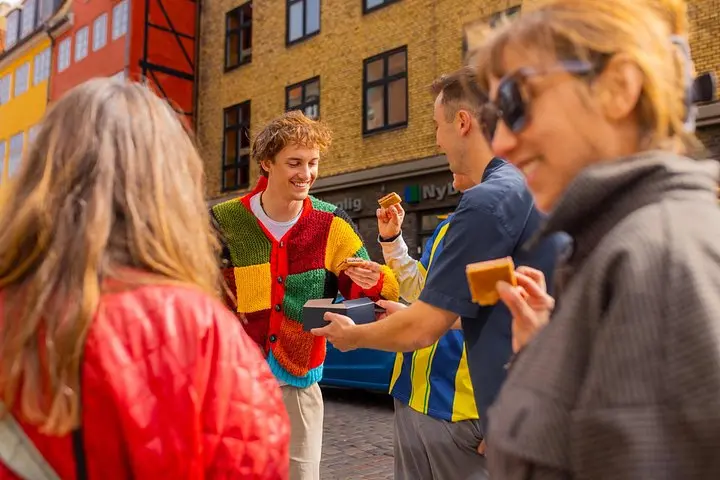
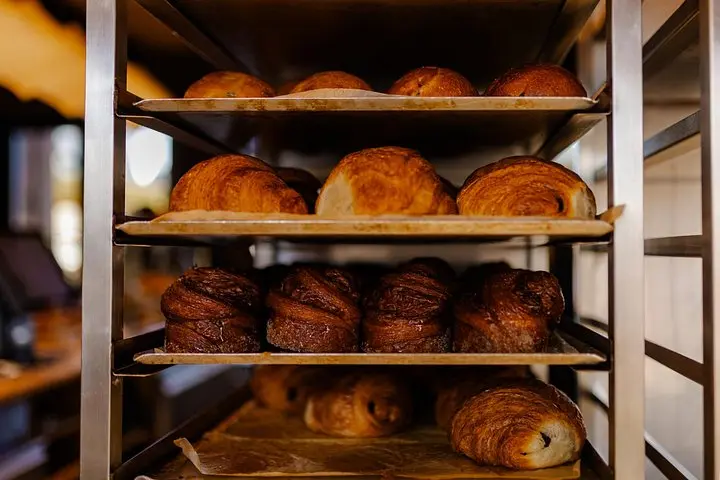
You step off a cobbled street into a warm cloud of butter and sugar—steam drifts from an open oven, and the baker’s hands fold another sheet of laminated dough. The two-hour pastry tour threads through Christianshavn and the Torvehallerne market, moving at a city-walk pace across roughly 5 km (3 miles) of flat pavement.
Verified experiences and guided adventures in the surrounding area.
Operated by Lost with a Local · Copenhagen, Capital Region
You step off a cobbled street into a warm cloud of butter and sugar—steam drifts from an open oven, and the baker’s hands fold another sheet of laminated dough. The two-hour pastry tour threads through Christianshavn and the Torvehallerne market, moving at a city-walk pace across roughly 5 km (3 miles) of flat pavement.
Danish pastry has roots in 19th-century trade and baker exchange with Vienna, and Copenhagen’s bakeries still show that cross‑border craftsmanship: multilayered wienerbrød, flaky kringle, and bright hindbærsnitter that balance density and sugar. The tour pairs tastings at five well-regarded spots with short historical stops — passing King's New Square and market stalls where local rye breads and seasonal produce sit beside modern patisserie experiments.
Expect a mix of sensory detail and practical context: guides explain laminating techniques, how Danish butter differs from other European varieties, and why Danish cafés favor certain fillings and shapes. The route is accessible and stroller-friendly, with mostly paved sidewalks and brief indoor stops for tastings.
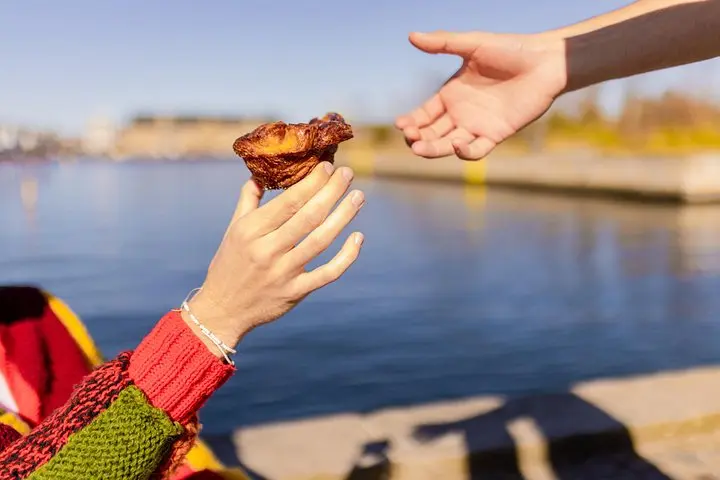
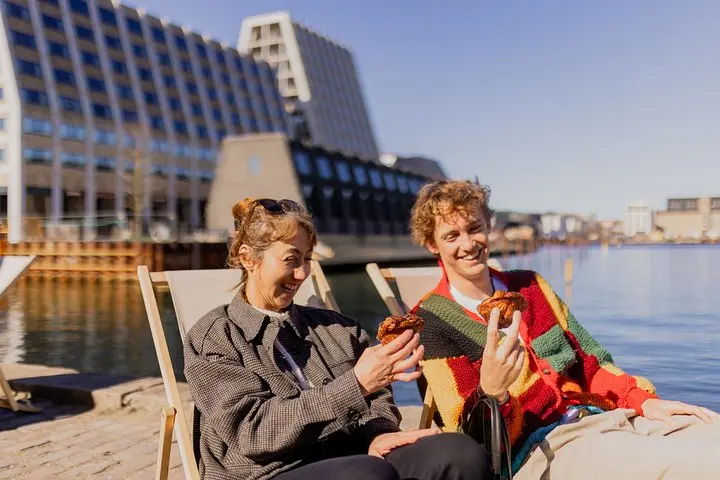
Plan logistics around appetite and weather: go hungry but pace the samples (each stop gives about a half-pastry). Morning light shows the pastries at their peak; rainproof layers keep you comfortable in Copenhagen’s shifting sky. Carry a small bag for souvenirs, bring water to cut the sweetness, and arrive with comfortable shoes—the real reward is not just the pastries but the way the city’s neighborhoods reveal themselves between bites.
The tour visits five bakeries and provides a half‑pastry sample at each stop, totaling about 2–3 full pastry equivalents.
Yes—route and stops in Torvehallerne and central areas are wheelchair and stroller accessible with short, flat walks between locations.
Inform the operator when booking; many bakeries can’t substitute on the spot but guides can advise which stops have simpler options.
Dress in layers for Copenhagen weather, wear comfortable shoes, and bring a small bag and water bottle.
Lost with a Local operates guided outdoor trips and adventures with an emphasis on safety, stewardship, and memorable experiences.
You step off a cobbled street into a warm cloud of butter and sugar—steam drifts from an open oven, and the baker’s hands fold another sheet of laminated dough. The two-hour pastry tour threads through Christianshavn and the Torvehallerne market, moving at a city-walk pace across roughly 5 km (3 miles) of flat pavement.
You step off a cobbled street into a warm cloud of butter and sugar—steam drifts from an open oven, and the baker’s hands fold another sheet of laminated dough. The two-hour pastry tour threads through Christianshavn and the Torvehallerne market, moving at a city-walk pace across roughly 5 km (3 miles) of flat pavement.
Danish pastry has roots in 19th-century trade and baker exchange with Vienna, and Copenhagen’s bakeries still show that cross‑border craftsmanship: multilayered wienerbrød, flaky kringle, and bright hindbærsnitter that balance density and sugar. The tour pairs tastings at five well-regarded spots with short historical stops — passing King's New Square and market stalls where local rye breads and seasonal produce sit beside modern patisserie experiments.
Expect a mix of sensory detail and practical context: guides explain laminating techniques, how Danish butter differs from other European varieties, and why Danish cafés favor certain fillings and shapes. The route is accessible and stroller-friendly, with mostly paved sidewalks and brief indoor stops for tastings.
Plan logistics around appetite and weather: go hungry but pace the samples (each stop gives about a half-pastry). Morning light shows the pastries at their peak; rainproof layers keep you comfortable in Copenhagen’s shifting sky. Carry a small bag for souvenirs, bring water to cut the sweetness, and arrive with comfortable shoes—the real reward is not just the pastries but the way the city’s neighborhoods reveal themselves between bites.