THE ADVENTURE COLLECTIVE® · Independent discovery and booking for outdoor travel

Spend five hours with a local guide exploring Copenhagen’s coastal marshes and nature reserves. This private walking tour focuses on migration hotspots, tidy fieldcraft, and close-range bird ID at hides and shoreline points.
Spend five hours with a local guide exploring Copenhagen’s coastal marshes and nature reserves. This private walking tour focuses on migration hotspots, tidy fieldcraft, and close-range bird ID at hides and shoreline points.
You step off the metro and the city’s edge opens into reedbeds that seem to breathe with the tide; skylarks lance into the air, and a grey heron watches from a ditch as if counting visitors.
Verified experiences and guided adventures in the surrounding area.
Operated by Birding Copenhagen · Copenhagen, Capital Region (Hovedstaden)
You step off the metro and the city’s edge opens into reedbeds that seem to breathe with the tide; skylarks lance into the air, and a grey heron watches from a ditch as if counting visitors.
This private, half‑day walking tour takes you from an agreed central metro meeting point out to the nature reserves north or south of Copenhagen, where glacially shaped moraine, coastal meadows and reclaimed marshland create varied feeding and nesting grounds. The area’s geology—post‑Ice Age ridges and shallow bays—helps funnel migrating birds along the Baltic and North Sea flyways, making spring and autumn particularly lively.
Culturally, Denmark has a strong amateur ornithology heritage; local clubs helped establish many of the reserves you’ll visit, and modern conservation has protected wetlands that were once drained for farmland.
On the tour expect steady walking over uneven ground, short binocular‑scopes and field guides supplied, and stops at hides or shoreline points to scan for waders, ducks and passerines. Guides cue song and silhouette more than lists, helping you match behavior and voice to species.
Practical guidance: wear waterproof walking shoes and layered outerwear—the coast can feel several degrees colder with wind. Bring a small daypack with water and snacks (tea, coffee and treats are provided). If you’re photographing, use a telephoto lens or a compact with strong zoom; trails can be narrow and viewing points modest.
This is private and best for people with moderate fitness who enjoy deliberate, observational pace rather than long hikes; expect five hours out and a far clearer sense of the region’s seasonal rhythms by the end.
The guide arranges a convenient metro station in Copenhagen as the meeting and finishing point, agreed in advance.
Fieldscope and binoculars are typically supplied, but bringing your own optics is recommended for quicker viewing.
Yes—guides tailor the experience to skill level, teaching basic identification, behavior cues and fieldcraft.
Yes—coffee, tea and small treats are provided and organizers ask you to inform them of allergies or dietary needs in advance.
Birding Copenhagen operates guided outdoor trips and adventures with an emphasis on safety, stewardship, and memorable experiences.

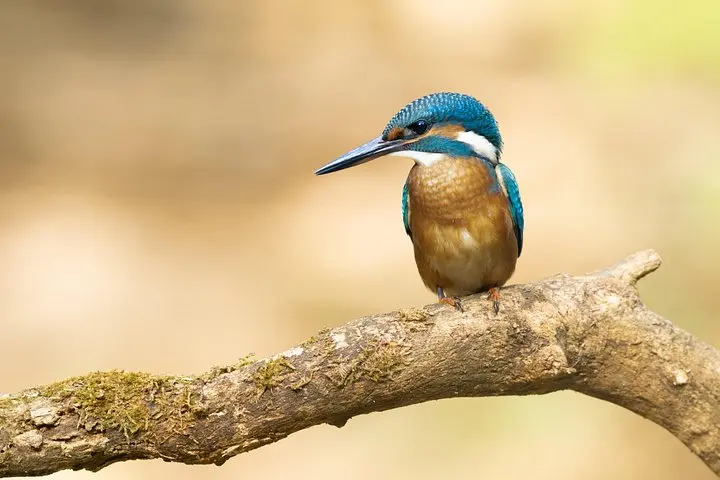
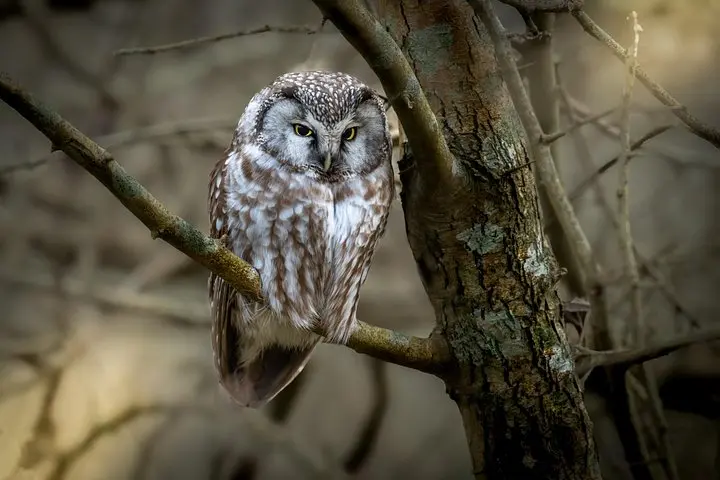

You step off the metro and the city’s edge opens into reedbeds that seem to breathe with the tide; skylarks lance into the air, and a grey heron watches from a ditch as if counting visitors.
You step off the metro and the city’s edge opens into reedbeds that seem to breathe with the tide; skylarks lance into the air, and a grey heron watches from a ditch as if counting visitors.
This private, half‑day walking tour takes you from an agreed central metro meeting point out to the nature reserves north or south of Copenhagen, where glacially shaped moraine, coastal meadows and reclaimed marshland create varied feeding and nesting grounds. The area’s geology—post‑Ice Age ridges and shallow bays—helps funnel migrating birds along the Baltic and North Sea flyways, making spring and autumn particularly lively.
Culturally, Denmark has a strong amateur ornithology heritage; local clubs helped establish many of the reserves you’ll visit, and modern conservation has protected wetlands that were once drained for farmland.
On the tour expect steady walking over uneven ground, short binocular‑scopes and field guides supplied, and stops at hides or shoreline points to scan for waders, ducks and passerines. Guides cue song and silhouette more than lists, helping you match behavior and voice to species.
Practical guidance: wear waterproof walking shoes and layered outerwear—the coast can feel several degrees colder with wind. Bring a small daypack with water and snacks (tea, coffee and treats are provided). If you’re photographing, use a telephoto lens or a compact with strong zoom; trails can be narrow and viewing points modest.
This is private and best for people with moderate fitness who enjoy deliberate, observational pace rather than long hikes; expect five hours out and a far clearer sense of the region’s seasonal rhythms by the end.