THE ADVENTURE COLLECTIVE® · Independent discovery and booking for outdoor travel

Trace Egypt’s living history on an eight-day private loop from Cairo: Nile cruise, hot-air balloon over Luxor, the Valley of the Kings, and Abu Simbel. This practical guide outlines what to expect, how to prepare, and the small rhythms of river travel that shape the trip.
Trace Egypt’s living history on an eight-day private loop from Cairo: Nile cruise, hot-air balloon over Luxor, the Valley of the Kings, and Abu Simbel. This practical guide outlines what to expect, how to prepare, and the small rhythms of river travel that shape the trip.
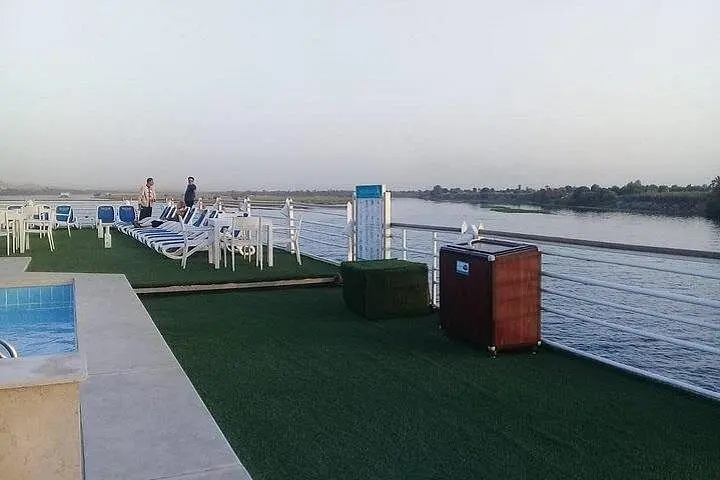
The Nile spreads out beneath the cruise deck like a slow-moving ribbon daring you to follow it south. Dawn in Luxor smells of river mud and brewed tea; pharaohs’ stone faces watch as the balloon lifts you over tomb-strewn ridges and palm-fringed islands.
Verified experiences and guided adventures in the surrounding area.
Operated by travel to church · Cairo, Cairo Governorate
The Nile spreads out beneath the cruise deck like a slow-moving ribbon daring you to follow it south. Dawn in Luxor smells of river mud and brewed tea; pharaohs’ stone faces watch as the balloon lifts you over tomb-strewn ridges and palm-fringed islands.
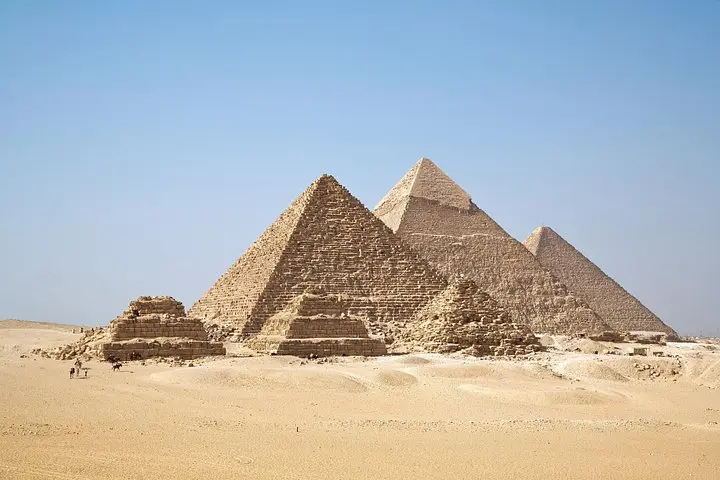
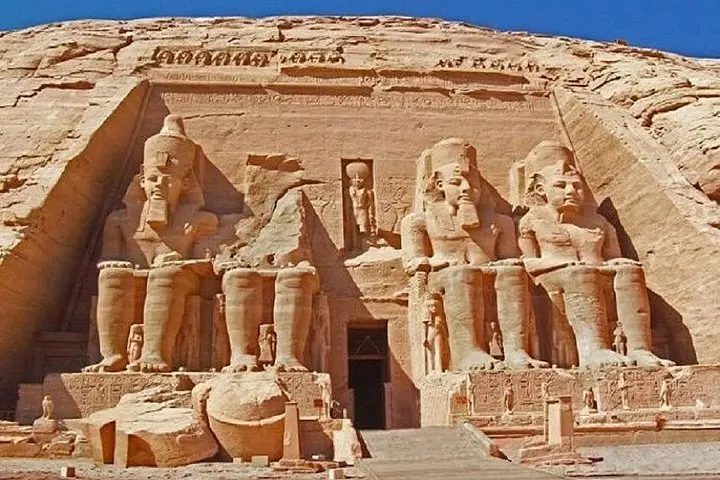
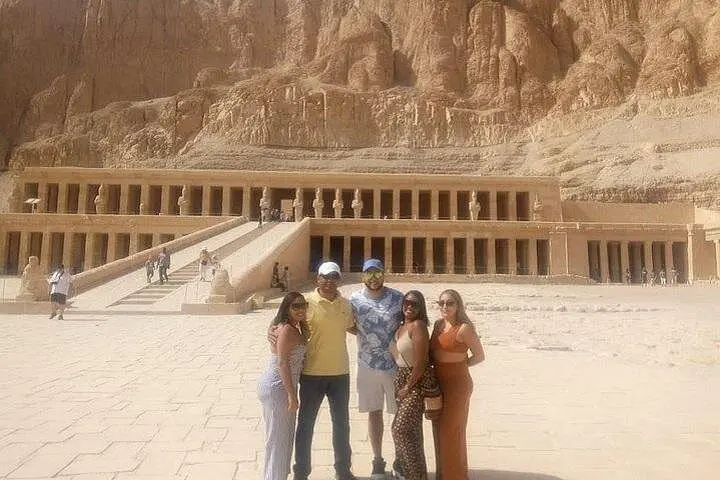
This eight-day private excursion threads modern Cairo with Upper Egypt’s deepest layers: Coptic communities around Assiut, Pharaonic complexes at Karnak and the Valley of the Kings, the Greco-Roman lines at Edfu, and the colossal rock-cut presence of Abu Simbel. Geologically, the Nile carved a living corridor through Nubian sandstone and alluvial plains, concentrating settlement and temples where water met stone. Coptic churches and monasteries in Upper Egypt echo millennia of religious continuity and local craft traditions that persist in market stalls and village life.
You’ll cross ages on a five-star Nile cruise, step into the cool hypostyle halls of Karnak, float past Kom Ombo’s twin shrines at sunset, and watch the high dam at Aswan redirect an ancient river’s flow. Practical notes: tours use trains and air-conditioned transfer vans, with early starts for the hot-air balloon and Abu Simbel run. Expect uneven stone steps, short walks across archaeological sites, and long stretches on deck.
Bring sun protection, a light layer for pre-dawn balloon launches, and a compact daypack for cameras and water. Plan your itinerary around cooler mornings and late afternoons to avoid summer heat, and keep passport copies handy for internal train and temple entries.
Yes, the itinerary lists a hot-air balloon ride in Luxor; confirm exact pickup time the night before as operators schedule pre-dawn launches.
Visitors to Egypt typically need a visa—check your nationality’s requirements before travel; routine vaccines are recommended and consult your doctor about travel health advice.
Many temples have uneven surfaces and stairs; while main courtyards are reachable, some tombs and elevated areas are not wheelchair-accessible—ask the operator about alternatives.
The tour includes specified meals (breakfasts, several lunches and dinners), two nights in Cairo hotels, and three nights on a five-star cruise; confirm details at booking.
travel to church operates guided outdoor trips and adventures with an emphasis on safety, stewardship, and memorable experiences.
The Nile spreads out beneath the cruise deck like a slow-moving ribbon daring you to follow it south. Dawn in Luxor smells of river mud and brewed tea; pharaohs’ stone faces watch as the balloon lifts you over tomb-strewn ridges and palm-fringed islands.
The Nile spreads out beneath the cruise deck like a slow-moving ribbon daring you to follow it south. Dawn in Luxor smells of river mud and brewed tea; pharaohs’ stone faces watch as the balloon lifts you over tomb-strewn ridges and palm-fringed islands.
This eight-day private excursion threads modern Cairo with Upper Egypt’s deepest layers: Coptic communities around Assiut, Pharaonic complexes at Karnak and the Valley of the Kings, the Greco-Roman lines at Edfu, and the colossal rock-cut presence of Abu Simbel. Geologically, the Nile carved a living corridor through Nubian sandstone and alluvial plains, concentrating settlement and temples where water met stone. Coptic churches and monasteries in Upper Egypt echo millennia of religious continuity and local craft traditions that persist in market stalls and village life.
You’ll cross ages on a five-star Nile cruise, step into the cool hypostyle halls of Karnak, float past Kom Ombo’s twin shrines at sunset, and watch the high dam at Aswan redirect an ancient river’s flow. Practical notes: tours use trains and air-conditioned transfer vans, with early starts for the hot-air balloon and Abu Simbel run. Expect uneven stone steps, short walks across archaeological sites, and long stretches on deck.
Bring sun protection, a light layer for pre-dawn balloon launches, and a compact daypack for cameras and water. Plan your itinerary around cooler mornings and late afternoons to avoid summer heat, and keep passport copies handy for internal train and temple entries.