THE ADVENTURE COLLECTIVE® · Independent discovery and booking for outdoor travel

Snorkel through coral incubation beds off Pichilingue and learn how local restoration projects grow and outplant reef colonies. This small-group, two-hour eco-adventure combines hands-on conservation education with guided snorkeling on restored reef patches.
Snorkel through coral incubation beds off Pichilingue and learn how local restoration projects grow and outplant reef colonies. This small-group, two-hour eco-adventure combines hands-on conservation education with guided snorkeling on restored reef patches.
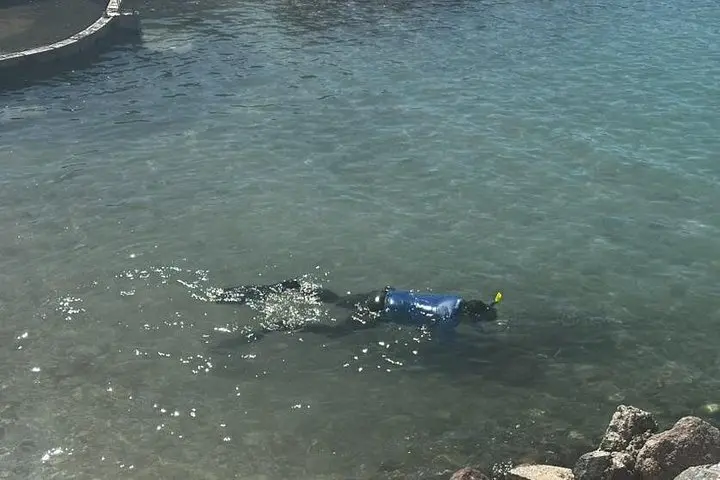
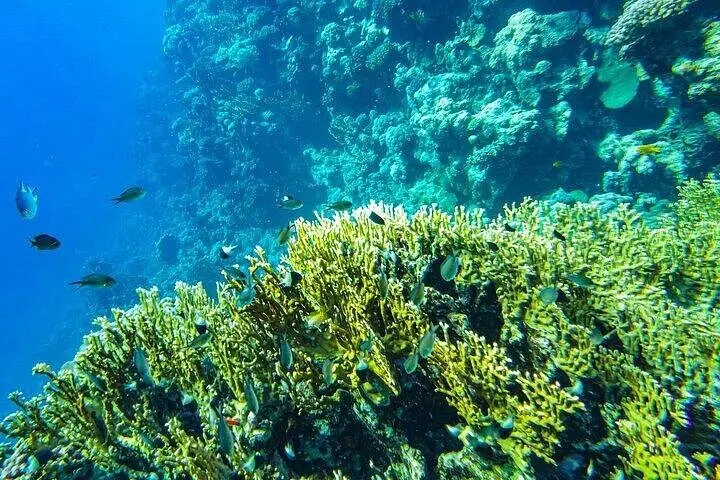
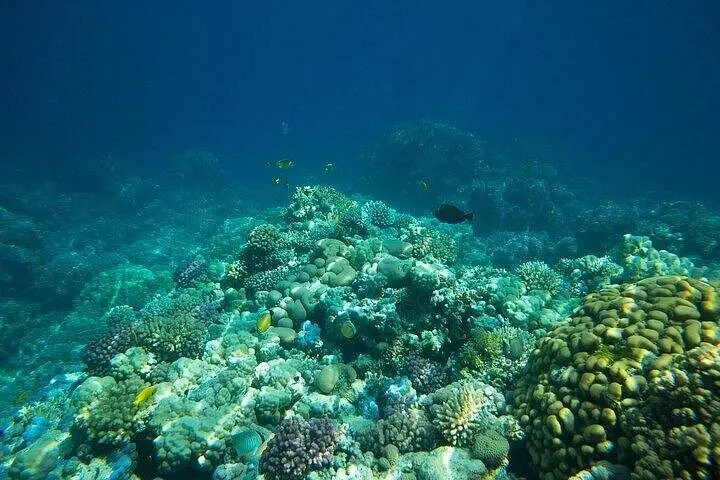
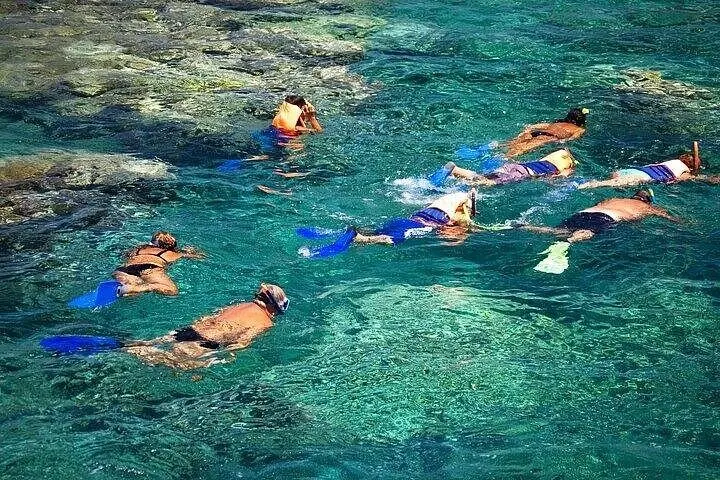
The boat eases away from Pichilingue and the Sea of Cortez opens like a cool, living map. Light filters through blue water and the coral nursery rises below in neat, suspended frames—young colonies reaching toward sunlight while adult reef slopes wait beyond. You slip into the water and are guided along incubation beds where technicians monitor growth and divers prune overgrowth; fish weave through the structures as if checking new neighbors.
Verified experiences and guided adventures in the surrounding area.
Operated by La Paz City Map · La Paz, Baja California Sur
The boat eases away from Pichilingue and the Sea of Cortez opens like a cool, living map. Light filters through blue water and the coral nursery rises below in neat, suspended frames—young colonies reaching toward sunlight while adult reef slopes wait beyond. You slip into the water and are guided along incubation beds where technicians monitor growth and divers prune overgrowth; fish weave through the structures as if checking new neighbors.
La Paz sits on the eastern edge of Baja California Sur, where tectonic uplift and volcanic flows created the rocky coastline and shallow bays that make ideal coral habitat. The Gulf of California is famous for its productivity—the area drawn to scientists, conservationists and local fishers alike. Coral restoration here blends community stewardship with marine science: fragments are grown, cared for, then outplanted to rebuild reef structure and biodiversity.
On this two-hour eco-adventure expect a short boat ride to nursery sites, an educational briefing, and guided snorkeling among nursery frames and adjacent reef patches. Guides explain coral biology, threats like warming and sunscreen chemicals, and the project's methods. Water temps vary 22–28°C, wetsuits provided; currents are generally mild but can pick up in open patches.
Practical tips: arrive with swimwear and reef-safe sunscreen, be honest about your swimming ability (non-swimmers aren’t recommended), and choose morning departures for calmer seas and better visibility. The experience balances hands-on conservation education with close-up marine encounters—an accessible way to see restoration in action while learning how to reduce your own impact in the water.
Yes—roundtrip transportation from La Paz hotels is included, with a specified pickup window in your confirmation.
No—this tour is not suitable for non-swimmers; participants should be comfortable in open water and able to snorkel.
Yes, full snorkeling equipment and thin wetsuits are provided, though you may bring your own gear if preferred.
Children who are competent snorkelers and meet safety guidelines can join, but check age restrictions with the operator and notify them when booking.
La Paz City Map operates guided outdoor trips and adventures with an emphasis on safety, stewardship, and memorable experiences.
The boat eases away from Pichilingue and the Sea of Cortez opens like a cool, living map. Light filters through blue water and the coral nursery rises below in neat, suspended frames—young colonies reaching toward sunlight while adult reef slopes wait beyond. You slip into the water and are guided along incubation beds where technicians monitor growth and divers prune overgrowth; fish weave through the structures as if checking new neighbors.
The boat eases away from Pichilingue and the Sea of Cortez opens like a cool, living map. Light filters through blue water and the coral nursery rises below in neat, suspended frames—young colonies reaching toward sunlight while adult reef slopes wait beyond. You slip into the water and are guided along incubation beds where technicians monitor growth and divers prune overgrowth; fish weave through the structures as if checking new neighbors.
La Paz sits on the eastern edge of Baja California Sur, where tectonic uplift and volcanic flows created the rocky coastline and shallow bays that make ideal coral habitat. The Gulf of California is famous for its productivity—the area drawn to scientists, conservationists and local fishers alike. Coral restoration here blends community stewardship with marine science: fragments are grown, cared for, then outplanted to rebuild reef structure and biodiversity.
On this two-hour eco-adventure expect a short boat ride to nursery sites, an educational briefing, and guided snorkeling among nursery frames and adjacent reef patches. Guides explain coral biology, threats like warming and sunscreen chemicals, and the project's methods. Water temps vary 22–28°C, wetsuits provided; currents are generally mild but can pick up in open patches.
Practical tips: arrive with swimwear and reef-safe sunscreen, be honest about your swimming ability (non-swimmers aren’t recommended), and choose morning departures for calmer seas and better visibility. The experience balances hands-on conservation education with close-up marine encounters—an accessible way to see restoration in action while learning how to reduce your own impact in the water.