THE ADVENTURE COLLECTIVE® · Independent discovery and booking for outdoor travel

Spend two days in Corcovado’s Sirena sector with an expert local guide—boat transfers deliver you to lowland rainforest trails rich in wildlife. This private overnight combines early-morning hikes, beach crossings, and a chance to see tapirs, macaws, and troops of monkeys.
Spend two days in Corcovado’s Sirena sector with an expert local guide—boat transfers deliver you to lowland rainforest trails rich in wildlife. This private overnight combines early-morning hikes, beach crossings, and a chance to see tapirs, macaws, and troops of monkeys.
Mist hangs low over the Pacific as the boat threads a narrow channel toward Sirena; the forest rises from the beach like a living wall, birds calling through leaves heavy with moisture. On arrival you step from soft sand onto a network of trails carved through one of the last large tracts of Pacific lowland rainforest.
Verified experiences and guided adventures in the surrounding area.
Operated by Maikol Salas Sanchez Day Tours · Puerto Jiménez, Puntarenas
Mist hangs low over the Pacific as the boat threads a narrow channel toward Sirena; the forest rises from the beach like a living wall, birds calling through leaves heavy with moisture. On arrival you step from soft sand onto a network of trails carved through one of the last large tracts of Pacific lowland rainforest.
Corcovado National Park, created in 1975 on the Osa Peninsula, protects a patchwork of eleven or more ecosystems—beaches, mangroves, lowland rainforest and riverine corridors—shaped by volcanic and marine sedimentation along Costa Rica's southern Pacific. Local towns such as Puerto Jiménez and Drake Bay serve as launch points; indigenous and rural fishing cultures still shape the coastline’s rhythms.
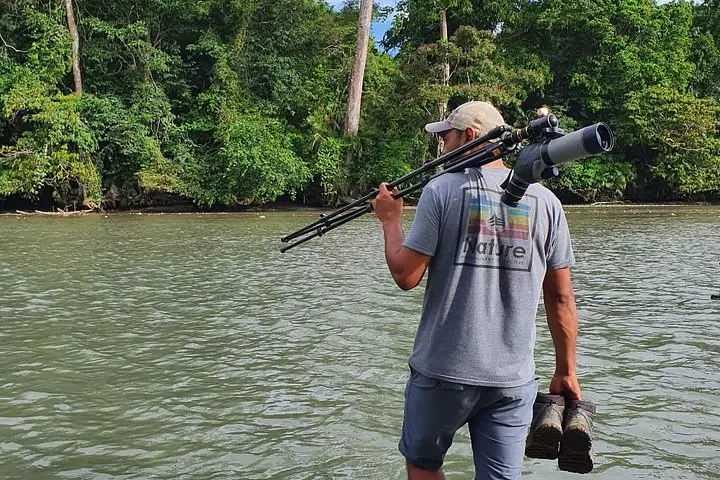
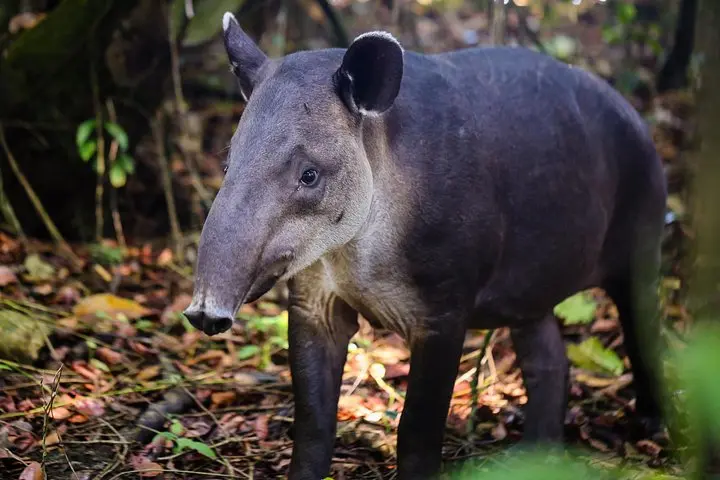
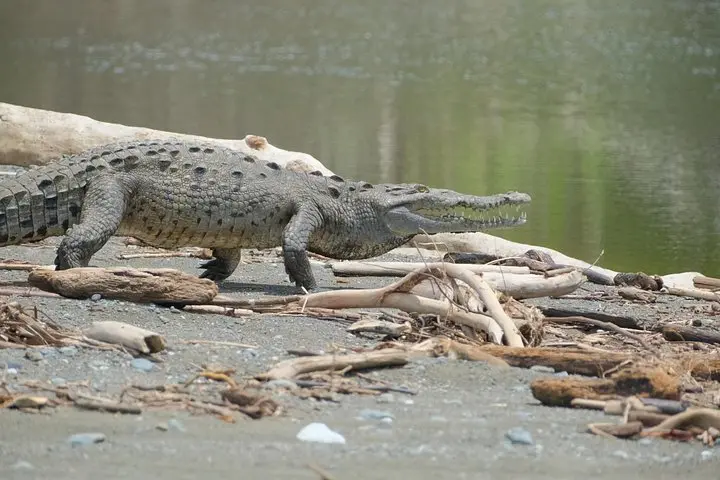
The private two-day itinerary typically combines a boat transfer (1–1.5 hours from nearby piers) with guided hikes around Sirena Biological Station. Trails are low-elevation but demanding in the wet season: expect river crossings, muddy steps, and sandy beach stretches. Wildlife encounters are frequent—scarlet macaws wheel overhead, squirrel monkeys chatter in the canopy, and, if you're lucky and quiet, the spectral silhouette of a tapir may push through the understory.
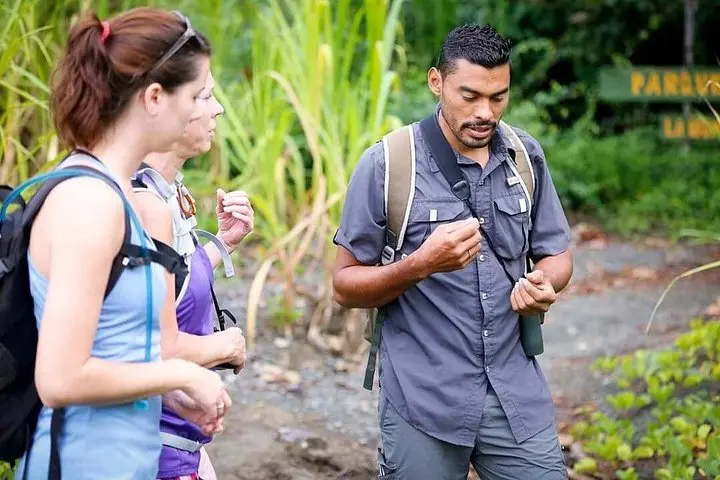
Practical notes: park rules require a certified guide and advance permits for overnight stays (max 5 nights at Sirena). Bring high-traction waterproof boots, 2–3 liters of water, long sleeves for biting insects, and a compact rain jacket. Plan hikes for early morning and late afternoon when animal activity peaks; midday is best for rest and river-side lunches. Boats are the easiest access for families and short itineraries; trail routes like La Leona–Sirena and Los Patos–Sirena add distance and river crossings for experienced hikers.
Yes—park regulations require visitors to be accompanied by a certified guide for any entry, day or overnight.
Access options include boat transfers from Puerto Jiménez or Drake Bay (1–1.5 hours) or multi-hour overland hikes from La Leona or Los Patos depending on season and route.
Sirena offers covered wooden platforms with beds, sheets and mosquito nets; expect basic accommodations and communal meals.
Boat-access short itineraries are family-friendly; long overland approaches with long river crossings are better suited to experienced adults.
Maikol Salas Sanchez Day Tours operates guided outdoor trips and adventures with an emphasis on safety, stewardship, and memorable experiences.
Mist hangs low over the Pacific as the boat threads a narrow channel toward Sirena; the forest rises from the beach like a living wall, birds calling through leaves heavy with moisture. On arrival you step from soft sand onto a network of trails carved through one of the last large tracts of Pacific lowland rainforest.
Mist hangs low over the Pacific as the boat threads a narrow channel toward Sirena; the forest rises from the beach like a living wall, birds calling through leaves heavy with moisture. On arrival you step from soft sand onto a network of trails carved through one of the last large tracts of Pacific lowland rainforest.
Corcovado National Park, created in 1975 on the Osa Peninsula, protects a patchwork of eleven or more ecosystems—beaches, mangroves, lowland rainforest and riverine corridors—shaped by volcanic and marine sedimentation along Costa Rica's southern Pacific. Local towns such as Puerto Jiménez and Drake Bay serve as launch points; indigenous and rural fishing cultures still shape the coastline’s rhythms.
The private two-day itinerary typically combines a boat transfer (1–1.5 hours from nearby piers) with guided hikes around Sirena Biological Station. Trails are low-elevation but demanding in the wet season: expect river crossings, muddy steps, and sandy beach stretches. Wildlife encounters are frequent—scarlet macaws wheel overhead, squirrel monkeys chatter in the canopy, and, if you're lucky and quiet, the spectral silhouette of a tapir may push through the understory.
Practical notes: park rules require a certified guide and advance permits for overnight stays (max 5 nights at Sirena). Bring high-traction waterproof boots, 2–3 liters of water, long sleeves for biting insects, and a compact rain jacket. Plan hikes for early morning and late afternoon when animal activity peaks; midday is best for rest and river-side lunches. Boats are the easiest access for families and short itineraries; trail routes like La Leona–Sirena and Los Patos–Sirena add distance and river crossings for experienced hikers.