THE ADVENTURE COLLECTIVE® · Independent discovery and booking for outdoor travel

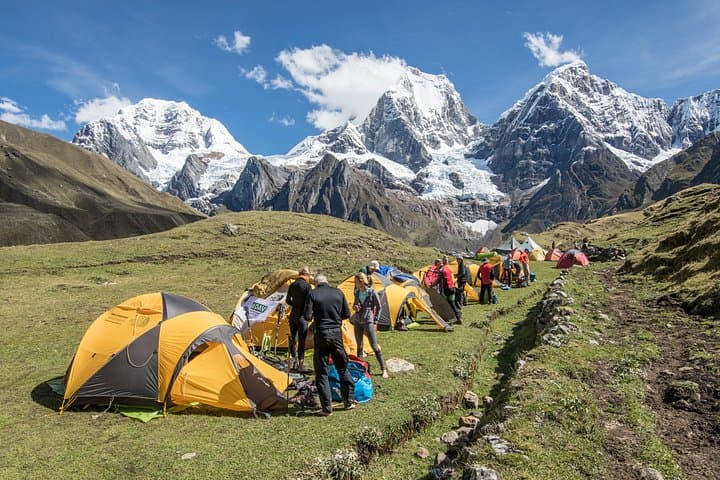
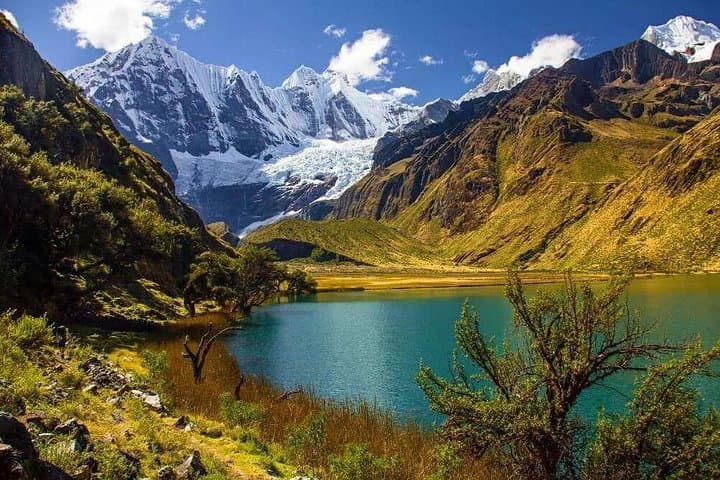
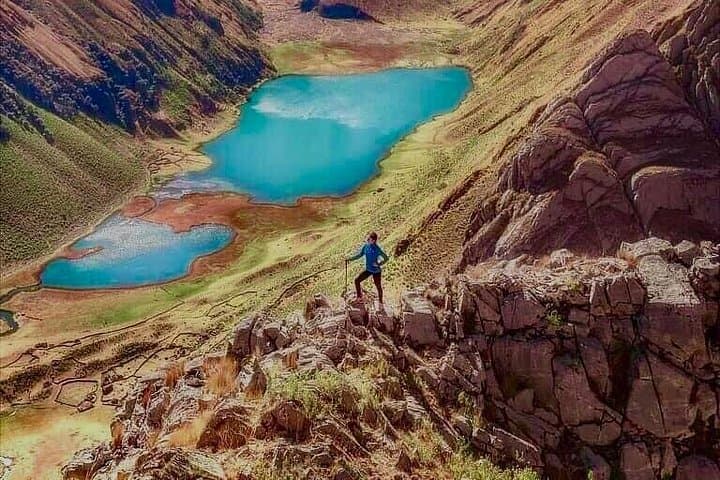
An 8-day loop around Peru’s Cordillera Huayhuash—one of South America’s steepest, most dramatic mountain circuits. Expect multiple 4,300–5,100 m passes, remote camps beside turquoise lakes, and sustained high-altitude hiking that rewards preparation.
An 8-day loop around Peru’s Cordillera Huayhuash—one of South America’s steepest, most dramatic mountain circuits. Expect multiple 4,300–5,100 m passes, remote camps beside turquoise lakes, and sustained high-altitude hiking that rewards preparation.
You wake before dawn to a cold, thin light and the sound of burros shifting gear—this is the Cordillera Huayhuash, a compact, uncompromising spine of granite and ice where passes routinely top 4,500–5,000 meters. On the first day the road closes behind you; over the next week the range presses in: jagged ridgelines, glacial bowls, and lakes the color of struck metal.
Verified experiences and guided adventures in the surrounding area.
Operated by Peru Expeditions Tours · Huaraz, Ancash
You wake before dawn to a cold, thin light and the sound of burros shifting gear—this is the Cordillera Huayhuash, a compact, uncompromising spine of granite and ice where passes routinely top 4,500–5,000 meters. On the first day the road closes behind you; over the next week the range presses in: jagged ridgelines, glacial bowls, and lakes the color of struck metal.
The Huayhuash sits in Peru’s Ancash region and has been a corridor for highland communities for centuries. Geologically it’s young and steep—glacial carving left hanging valleys and steep moraines, while peaks like Siula Grande and Yerupajá dominate the skyline. Locally, shepherding and vicuña conservation shape land use; the trail threads villages where Quechua culture remains visible in dress and livestock routines.
Expect sustained days of 6–9 hours of walking, multiple passes between 4,300–5,100 m, and altitude as the main challenge. Terrain alternates between rocky switchbacks, high plateaus, short snowfields and lakeside camps. Wildlife—condors wheeling, viscachas on talus, vicuñas on ridgelines—adds constant interest.
Practical edge: acclimatize in Huaraz for 2–3 days first, use layered insulation for wide diurnal swings, and plan for rapid weather shifts (sun to wind to snow in a single afternoon). Guides, cooks and pack animals are common on organized circuits; tents and meals are generally provided, but carry a warm sleeping bag rated for sub-freezing nights. Hydration, sun protection and a steady pace on ascents are the simplest ways to keep moving.
This is a challenging, high-reward trek: technical climbing isn’t required, but altitude, route length (about 170 km total circuit) and remoteness demand preparation and respect.
No technical climbing is required for the classic 8-day circuit, but you must be comfortable with high-altitude trekking, variable terrain and long daily distances.
Spend 2–3 days in Huaraz doing easy hikes (2,800–3,800 m) before the trek; ascend slowly on the circuit and hydrate to reduce altitude illness risk.
Typical packages include guides, cooks, meals on trek, tents (2-person), mule support for group gear, and transportation per itinerary—confirm specifics with the operator.
The dry season (May–September) offers the most stable weather and best visibility; avoid the core wet season from December to March when trails can be hazardous.
Peru Expeditions Tours operates guided outdoor trips and adventures with an emphasis on safety, stewardship, and memorable experiences.

You wake before dawn to a cold, thin light and the sound of burros shifting gear—this is the Cordillera Huayhuash, a compact, uncompromising spine of granite and ice where passes routinely top 4,500–5,000 meters. On the first day the road closes behind you; over the next week the range presses in: jagged ridgelines, glacial bowls, and lakes the color of struck metal.
You wake before dawn to a cold, thin light and the sound of burros shifting gear—this is the Cordillera Huayhuash, a compact, uncompromising spine of granite and ice where passes routinely top 4,500–5,000 meters. On the first day the road closes behind you; over the next week the range presses in: jagged ridgelines, glacial bowls, and lakes the color of struck metal.
The Huayhuash sits in Peru’s Ancash region and has been a corridor for highland communities for centuries. Geologically it’s young and steep—glacial carving left hanging valleys and steep moraines, while peaks like Siula Grande and Yerupajá dominate the skyline. Locally, shepherding and vicuña conservation shape land use; the trail threads villages where Quechua culture remains visible in dress and livestock routines.
Expect sustained days of 6–9 hours of walking, multiple passes between 4,300–5,100 m, and altitude as the main challenge. Terrain alternates between rocky switchbacks, high plateaus, short snowfields and lakeside camps. Wildlife—condors wheeling, viscachas on talus, vicuñas on ridgelines—adds constant interest.
Practical edge: acclimatize in Huaraz for 2–3 days first, use layered insulation for wide diurnal swings, and plan for rapid weather shifts (sun to wind to snow in a single afternoon). Guides, cooks and pack animals are common on organized circuits; tents and meals are generally provided, but carry a warm sleeping bag rated for sub-freezing nights. Hydration, sun protection and a steady pace on ascents are the simplest ways to keep moving.
This is a challenging, high-reward trek: technical climbing isn’t required, but altitude, route length (about 170 km total circuit) and remoteness demand preparation and respect.